
Medieval philosophy as a bridge between cultures
What could be useful about a "useless" question? For Professor Giovanni Ventimiglia, the process of attempting to answer existential philosophical questions reveals what it means to be human – across cultures, religions and time.
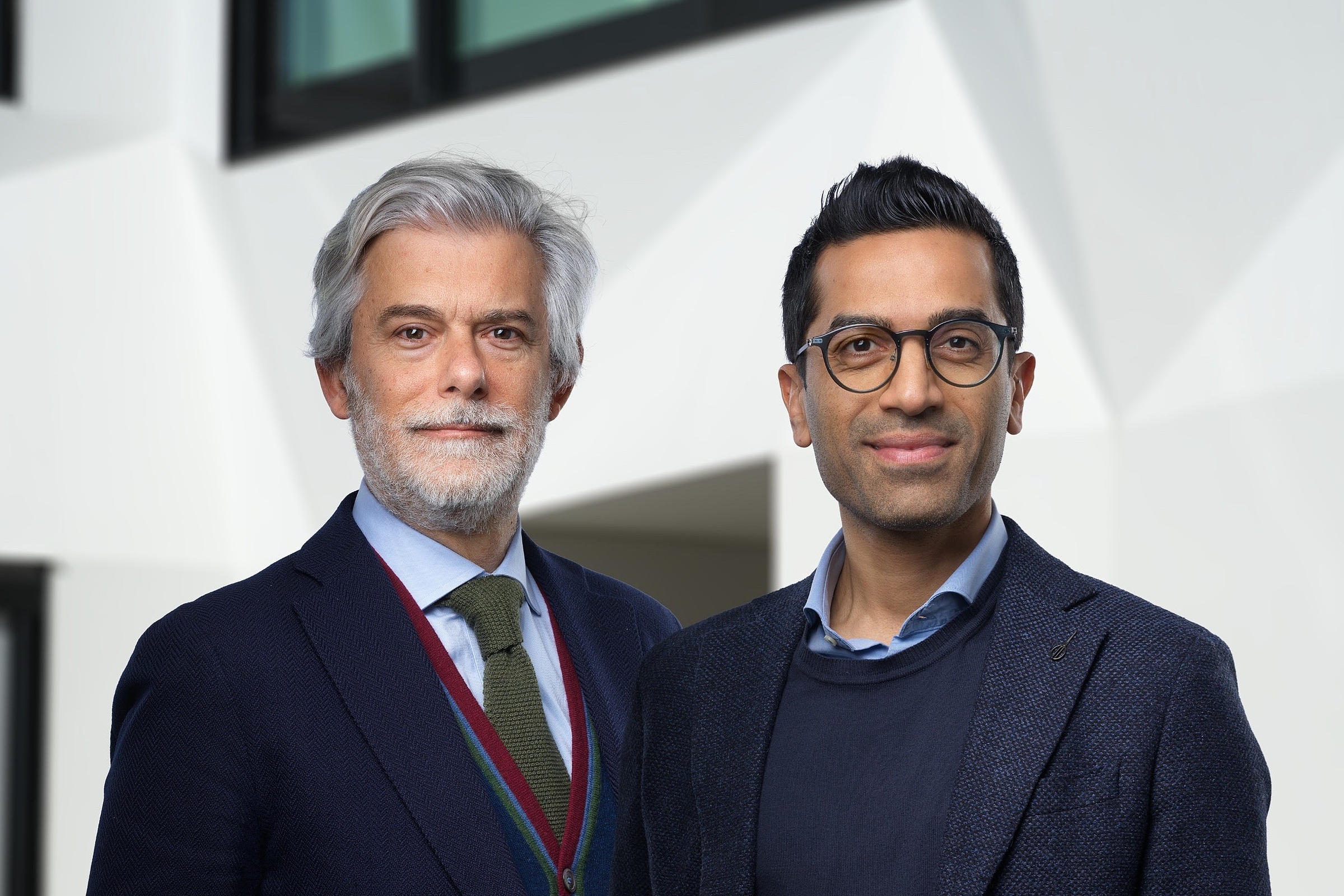
When Professor Giovanni Ventimiglia set out to investigate the concept of “being” in medieval philosophy, he was under no illusions about its practical usefulness. "In a certain sense, this question is not relevant today," he says, with deliberate provocation. "Such questions are not relevant, and therefore useless, but they are human."
The “Senses of Being” project, funded by the Swiss National Science Foundation, was an exercise in exactly this kind of productive uselessness. Over several years, Ventimiglia and his team examined how medieval Christian and Muslim thinkers interpreted and developed Aristotle's theory of being by tracing the reception of the Metaphysics through both the Latin and Arab-Persian traditions. The project concluded in the summer of 2025, with findings presented at an international conference in Lucerne.
A platform across religions and languages
One of the project's main findings concerns intellectual authority. In the medieval Latin tradition, Thomas Aquinas is often portrayed above all as Aristotle's great interpreter. Yet the research revealed that the Islamic philosophers Avicenna and Averroes held equal standing for Aquinas. Far from working in isolation, the Latin scholastic tradition was in continuous dialogue with Arabic commentary and adopted it readily once translations became available.
Indeed, Ventimiglia and his team found no meaningful differences in the interpretation of “being” between the different religious traditions. What emerged instead was a shared philosophical inheritance, developed collaboratively across languages and faiths.
The international conference that closed the project brought together scholars working across Ancient Greek, Latin, Arabic and Hebrew – a deliberate choice. "Texts must first be read in their original language," Ventimiglia explains, rather than encountered only through German or English translations. Translations, he acknowledges, can involve a kind of betrayal – but, as he puts it, "a very meaningful betrayal. A non-sinful betrayal, so to speak."
The gathering was itself a small demonstration of the project's central argument: that philosophy has historically served as a common platform for intercultural and interreligious exchange – and that it can do so again today.
For Ventimiglia, working alongside Persian, Arab, Jewish and Christian colleagues on questions they all care about, he says, changed something. "Previously we merely held each other in high regard," he reflects. "Now we love one another."
It is, perhaps, the most human result a research project could produce.
This article is based on an interview published in the 2025 Annual Report.


