University of Lucerne part of National Centre of Competence in Research
Professor Sara Rubinelli co-leads the "Communication with Society" work package of the National Centre of Competence in Research “Children & Cancer”. Two communication-focused research projects will be carried out at the University of Lucerne.
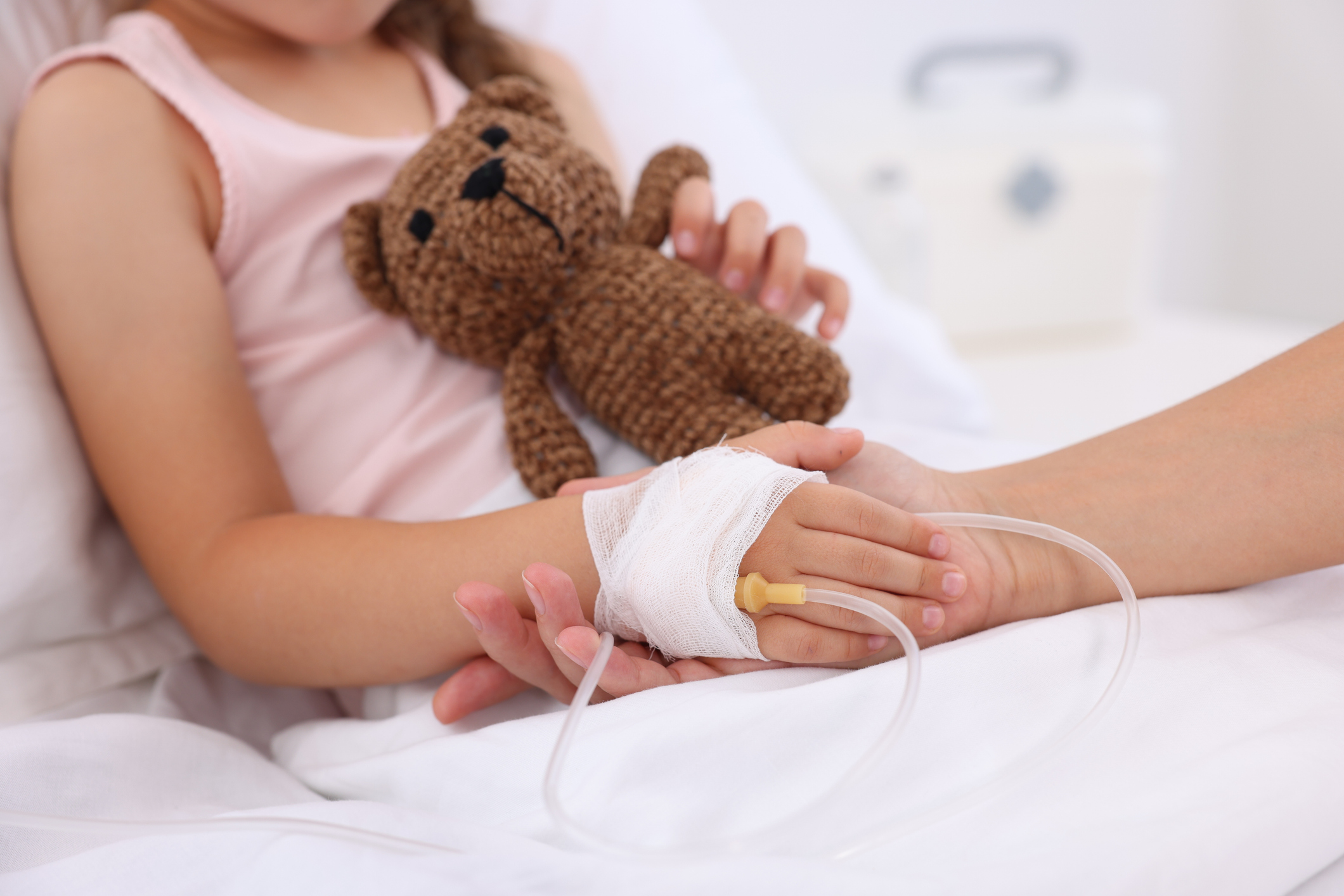
In early 2026, the Swiss Federal Department of Economic Affairs, Education and Research (EAER) launched six new National Centres of Competence in Research (NCCRs) in the fields of medicine, quantum technology and climate. The NCCR “Children & Cancer”, with a total funding of CHF 33.97 million incl. federal funding of CHF 16.99 million, is dedicated to improving diagnostics and optimizing treatment and care for children with cancer.
In Switzerland, on average, one child or adolescent is diagnosed with cancer every day, making it one of the leading causes of death in this age group. Childhood cancers differ fundamentally from adult cancers in their causes, disease types, and long-term consequences. The goal of the NCCR is to establish a comprehensive national program for research, innovation and advanced clinical care in pediatric oncology.
Communication as part of childhood cancer research
The NCCR is organized into six work packages. Sara Rubinelli, Professor of Health Communication at the University of Lucerne, serves as a Core Principal Investigator of the NCCR and co-leads the "Communication with Society" work package together with Professor Thomas Friemel from the University of Zurich. Rubinelli is also a member of the NCCR Steering Committee, helping shape the communication agenda of the entire consortium.
The work package examines communication across multiple levels, from media coverage and public perceptions to clinical conversations and national policy. It seeks to better understand how information is created, shared, interpreted, and ultimately translated into action across the childhood cancer care system.
For Sara Rubinelli, participating in the NCCR represents an important step toward integrating communication research into one of the most complex areas of medicine. "Advances in childhood cancer care depend not only on excellent research and clinical medicine, but also on how people communicate, collaborate, and make decisions together."
Within the work package, Rubinelli leads two research projects.
Shared decision-making in childhood cancer care
When a child is diagnosed with cancer, effective communication between healthcare professionals and parents plays an important role alongside medical treatment. Physicians must communicate complex information while providing reassurance without creating unrealistic expectations. At the same time, families need to understand risks, uncertainties, and treatment options while coping with fear and overwhelming emotions.
Despite the importance of these conversations, little is known about how shared decision-making actually unfolds in pediatric oncology.
This project will provide the first comprehensive mapping of shared decision-making practices in Switzerland. It will investigate how information is exchanged between clinicians and families, where misunderstandings arise, how conflicts are negotiated, and which communication practices help parents participate meaningfully in treatment decisions. Its findings will provide the evidence needed to improve communication strategies and ultimately strengthen patient- and family-centered care.
International policy comparison to strengthen care
Communication does not end in the consultation room. Improving pediatric oncology care requires policies that are informed by scientific evidence and international best practices. Comparing how different countries organize, regulate, and support pediatric oncology can reveal effective policy approaches and opportunities for strengthening the Swiss system.
This project aims to conduct a comparative analysis of pediatric oncology policies across Germany, Denmark, the Netherlands, France, the United Kingdom and the United States. It will examine policy frameworks, national strategies, stakeholder involvement, funding mechanisms, and approaches to translating research into practice. The findings will be used to identify policy gaps, transferable solutions, and priorities for improvement in Switzerland.
Ultimately, the project seeks to develop evidence-based recommendations for Swiss policymakers, supporting stronger policies and improvements in care and outcomes for children with cancer and their families.
Research within a national network
The NCCR is jointly led by the University of Zurich and the University of Lausanne. Its research activities bring together an extensive network of research groups from across Switzerland, combining expertise from a wide range of disciplines.
Sara Rubinelli highlights the importance of the University of Lucerne’s participation in this project: “For a university whose motto is ‘Moving Human Sciences’, being part of this NCCR is both a major achievement and a powerful expression of our mission. It demonstrates the value of bringing a humanistic perspective into cutting-edge cancer research – one that considers not only scientific and technological progress, but also how evidence is communicated, understood and translated into decisions that improve people’s lives.”
In the long term, the NCCR “Children & Cancer” seeks to establish Switzerland as an international hub for innovation and translational research in pediatric oncology.
- Project title: Work Package 6: Communication with Society
- Project lead: Sara Rubinelli, Professor of Health Sciences with a focus in Health Communication at the Faculty of Health Sciences and Medicine, University of Lucerne; Thomas Friemel, Professor of Media Use & Effects at the Department of Communication and Media Research, University of Zurich
- Project participants: Exact project team at the University of Lucerne to be determined. More information on all NCCR “Children & Cancer” participants can be found on the NCCR’s website
- Project duration: 48 months (May 2026 to April 2030)
More information about the National Centers of Competence in Research (SERI)
Factsheet NCCR «Children & Cancer»
Website NCCR «Children & Cancer»


