Pets do not automatically make people happier or healthier
Simply owning a pet is not associated with better health or greater well-being, according to a study involving researchers at the University of Lucerne. Instead, factors relating to the relationship between people and their animals appear to play a more important role.
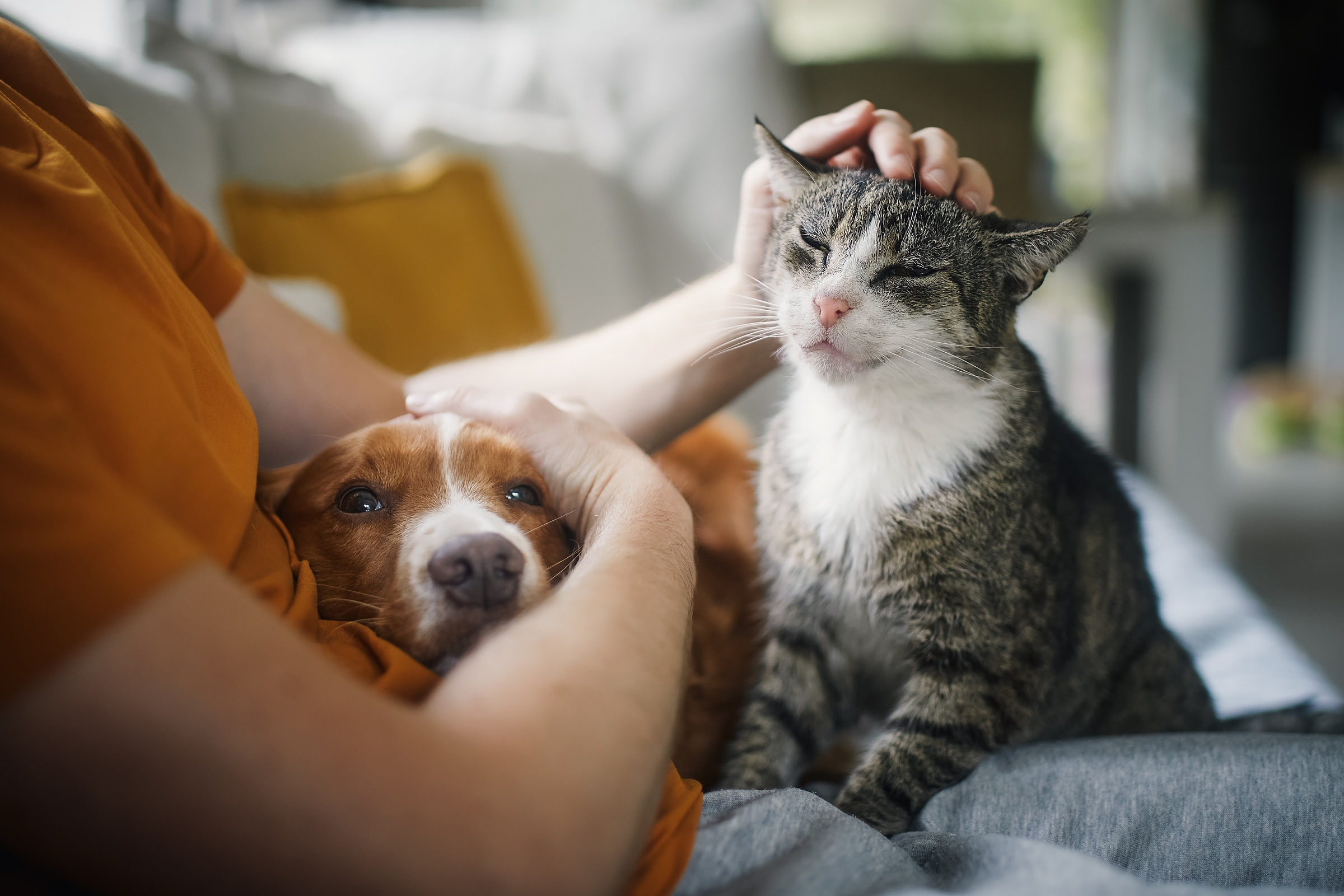
It is often assumed that pets have a positive effect on the health and well-being of their owners. However, scientific evidence for such an association remains inconclusive. Karin Hediger, Professor of Child and Adolescent Psychology, and her team analysed data from a representative cross-sectional survey of 2,328 people living in Switzerland. The researchers examined whether pet ownership or regular contact with animals was associated with health status, health behaviour, social support, life satisfaction, loneliness and psychological well-being.
The study found little evidence of a general association between pet ownership (or regular animal contact) and health and well-being. People with pets did not differ from non-pet owners in terms of healthcare use, loneliness, life satisfaction, psychological well-being or the amount of social support they received from other people. People with regular animal contact likewise showed no significant differences in these areas compared with those who had no regular animal contact. Pet owners did, however, report a slightly lower health status and slightly more unhealthy behaviour.
The picture is different, however, when the focus shifts from pet ownership itself to the relationship with the animal. People who spent more time with their pet and perceived it as a source of socio-emotional support reported higher levels of well-being. Dogs, in particular, were perceived as providing such support. Hediger therefore emphasises that the relationship people have with their pets is “more complex than the simple yes-or-no question of pet ownership. Two people may both have a dog, but their relationship with that dog can be very different.”
Causal link remains unclear
The observed associations, however, do not necessarily mean that keeping a pet actually alters health and well-being. It is also possible, for example, that people who are already in poor health or feel lonely are more likely to choose to keep a pet in order to find comfort or companionship.
To better understand these associations, longitudinal studies are needed that follow people over a longer period and record changes in their health and well-being. It is equally important that future studies examine the human–animal relationship in greater detail. Hediger therefore emphasises: “Rather than asking whether someone owns a pet, future research should consider how people interact with their animals and what role the animal plays in their lives.”
Rahel Marti, Karin Hediger et al.
Factors of pet ownership associated with human health: A representative cross-sectional survey of Switzerland
PLOS One, 2026
Open Access article


