Study highlights disparities in rehabilitation for healthy ageing
Rehabilitation is essential for healthy ageing – but are European health systems equipped to deliver it equally and effectively? A new study by the Center for Rehabilitation in Global Health Systems highlights existing gaps.
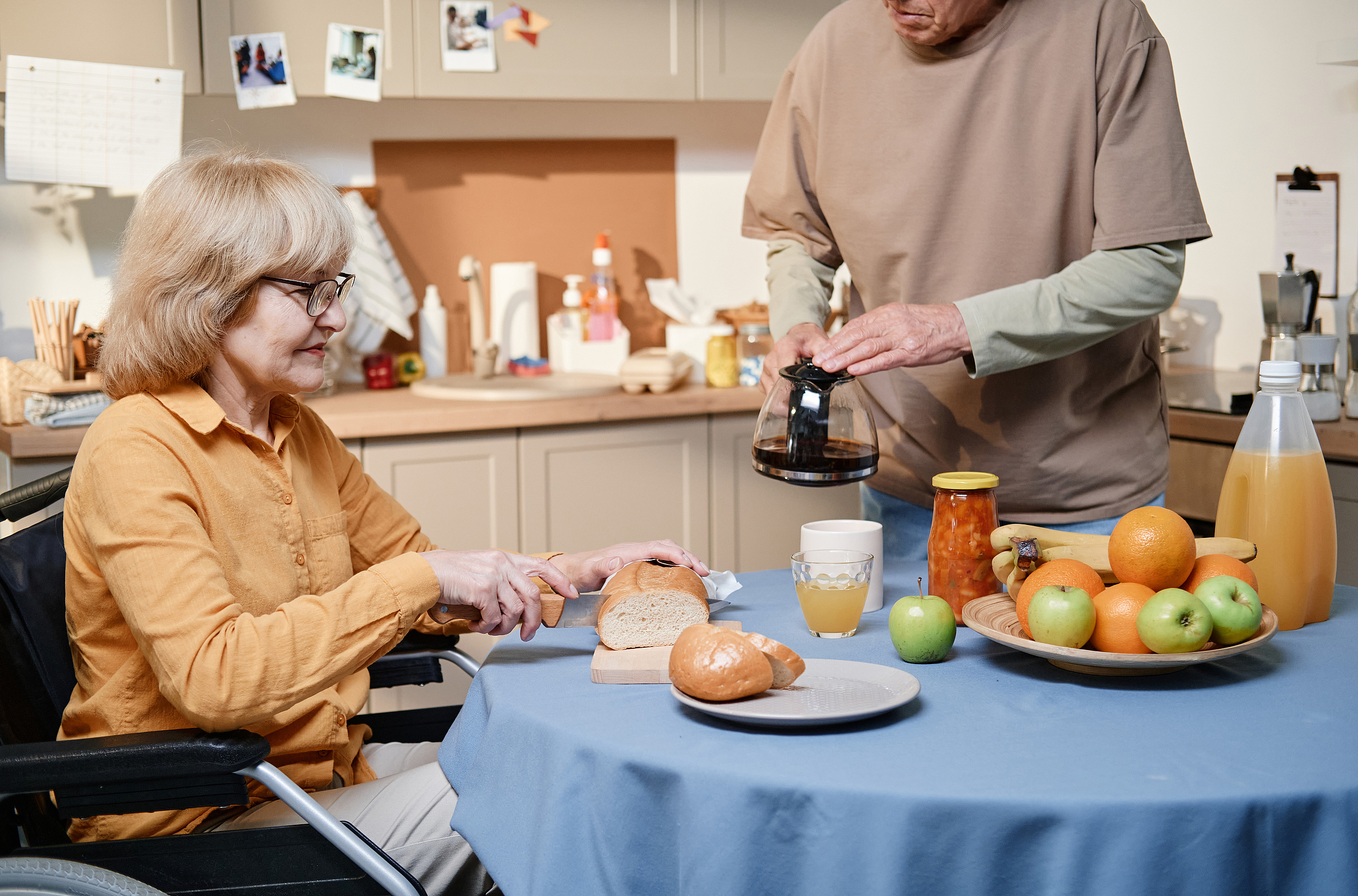
As Europe’s population grows older, a quiet but urgent challenge is emerging: how to help people stay independent and active for longer.
A new international study led by researchers at the University of Lucerne suggests that rehabilitation services – long seen as something you receive after an injury – could play a far bigger role in helping people maintain functional ability throughout late life. Yet access to rehabilitation across Europe remains uneven, fragmented and, in many cases, insufficient – which, according to study co-author Dr Roxanne Maritz, “makes strengthening service delivery models an important public health and policy priority.”
Drawing on the views of more than 700 health professionals across 45 countries, the research paints a detailed picture of how rehabilitation is delivered today – and where it is falling short.
Rehabilitation as a key pillar for healthy ageing
As people age, they are more likely to experience chronic conditions, reduced mobility and multiple health issues at once. In Europe, more than 60% of those aged 65 and over live with at least two chronic conditions. These changes can gradually erode what experts call “functional ability” – the capacity to live independently and participate in society.
Rehabilitation can help slow or even prevent this decline. It supports people in maintaining mobility, adapting their environment, and managing long-term conditions. For example, timely rehabilitation after a fall or hospital stay can help an older person regain mobility and confidence, enabling them to return home instead of moving into residential care. Similarly, ongoing rehabilitation for people with chronic conditions like arthritis or heart disease can help them maintain physical functions and self‑care abilities, reducing the need for long‑term institutional support.
A postcode lottery for ageing well
One of the study’s starkest findings is the level of inequality between countries.
Healthcare professionals reported major differences in how well services respond to older people’s needs. Countries such as Switzerland, Germany and the Netherlands scored highly on a “responsiveness index”, while others, including parts of Eastern and Southern Europe, lagged behind.
Income level also plays a role. Middle-income countries reported lower availability and weaker implementation of most rehabilitation models. But the study stresses that gaps exist even in wealthier nations. In other words, access to rehabilitation in Europe often depends on where you live.
What’s holding systems back?
Beyond availability, the study highlights deeper, systemic problems.
Across Europe, professionals pointed to a complex web of barriers. Besides funding and workforce shortages, the survey also identified factors such as limited awareness among healthcare providers, age-based discrimination, and inadequate infrastructure and transport, especially in rural areas.
Social factors also play a role. Low pensions, poor housing and limited family support can all make it harder for older people to access rehabilitation, even when services exist.
Re-imagining rehabilitation as a central part of modern healthcare
As the population ages – by 2050, more than 30% of people in many European countries will be over 60 – demand for rehabilitation will continue to rise sharply. Without change, health systems risk becoming overwhelmed.
But with the right investment and planning, rehabilitation could become a powerful tool to support independence, reduce healthcare costs and improve quality of life. “Simple measures such as routine screening for functional difficulties in primary care, setting person‑centred goals, and strengthening collaboration between acute care and rehabilitation teams can make a substantial difference,” Maritz explains. “In addition, expanding outpatient, home‑based, and community rehabilitation services helps better align care with people’s everyday needs and living contexts.”
Vanessa Seijas, Roxanne Maritz et al.
Rehabilitation Service Delivery Models to Foster Healthy Ageing in the WHO European Region: Results From a Cross-Sectional Stakeholder Consultation Involving 45 Countries
Advances in Rehabilitation Science and Practice, Volume 15, SAGE Publications, 2026
Open-Access-Link


