Doctorates in Health Sciences and Human Medicine
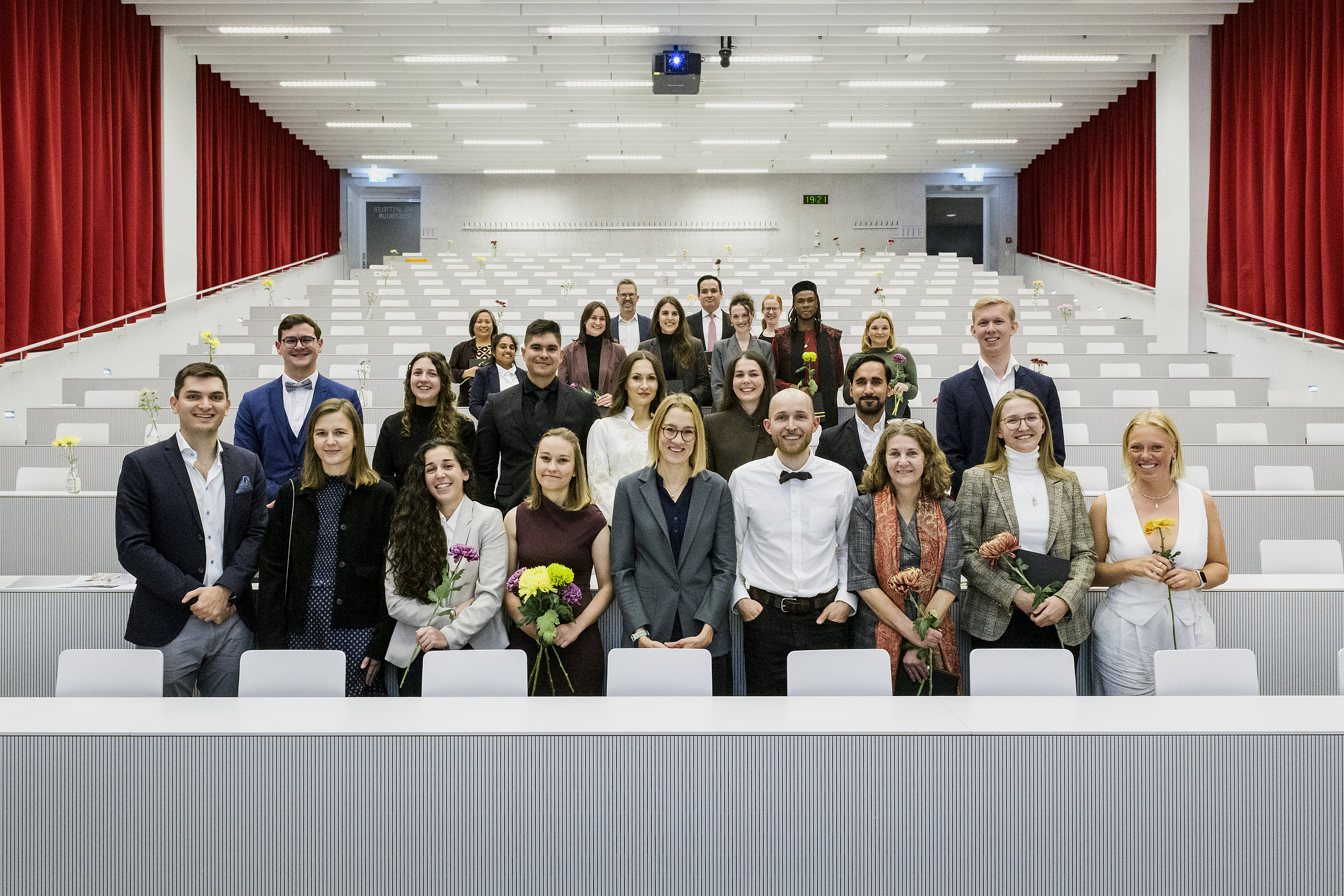
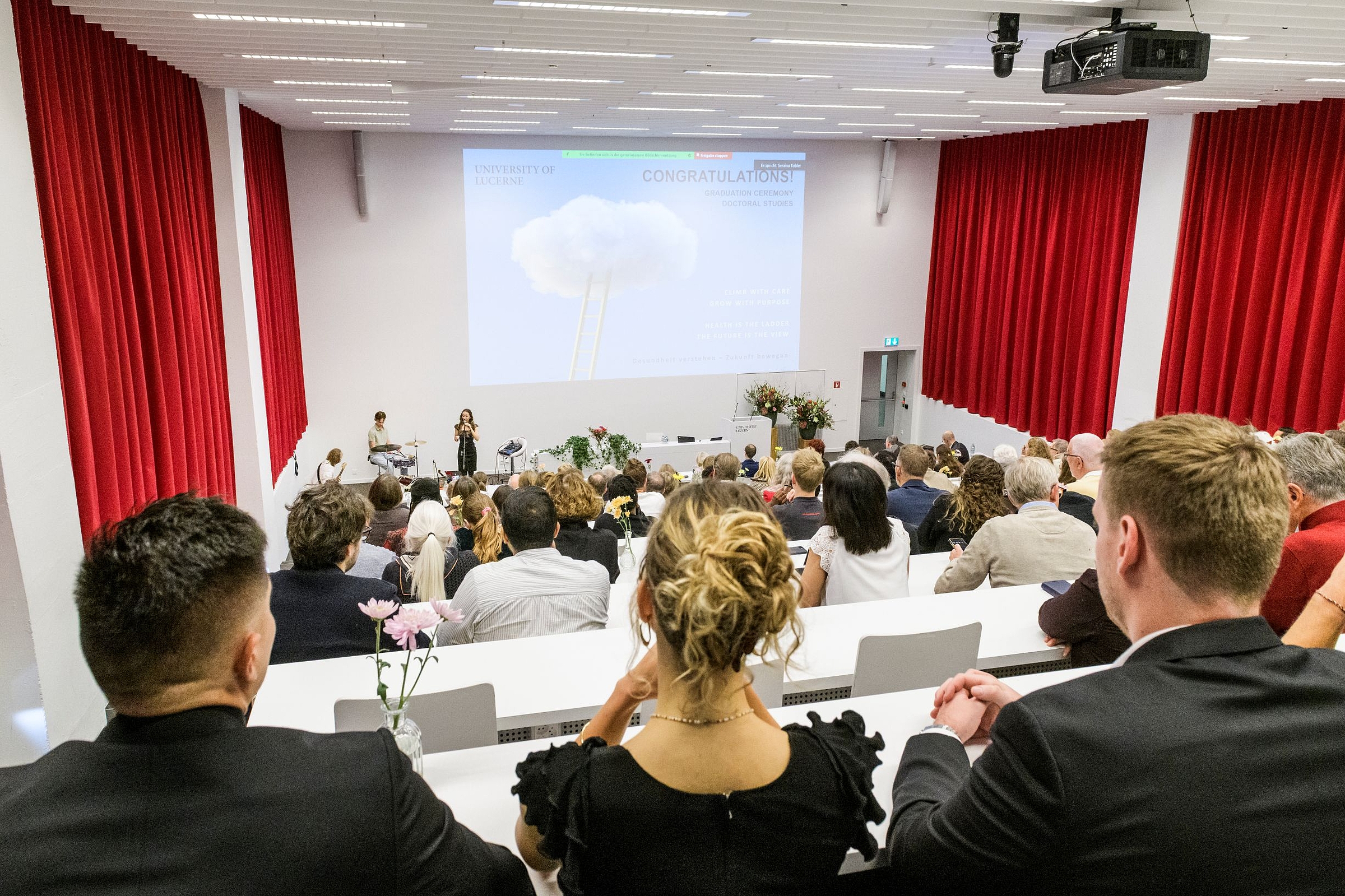
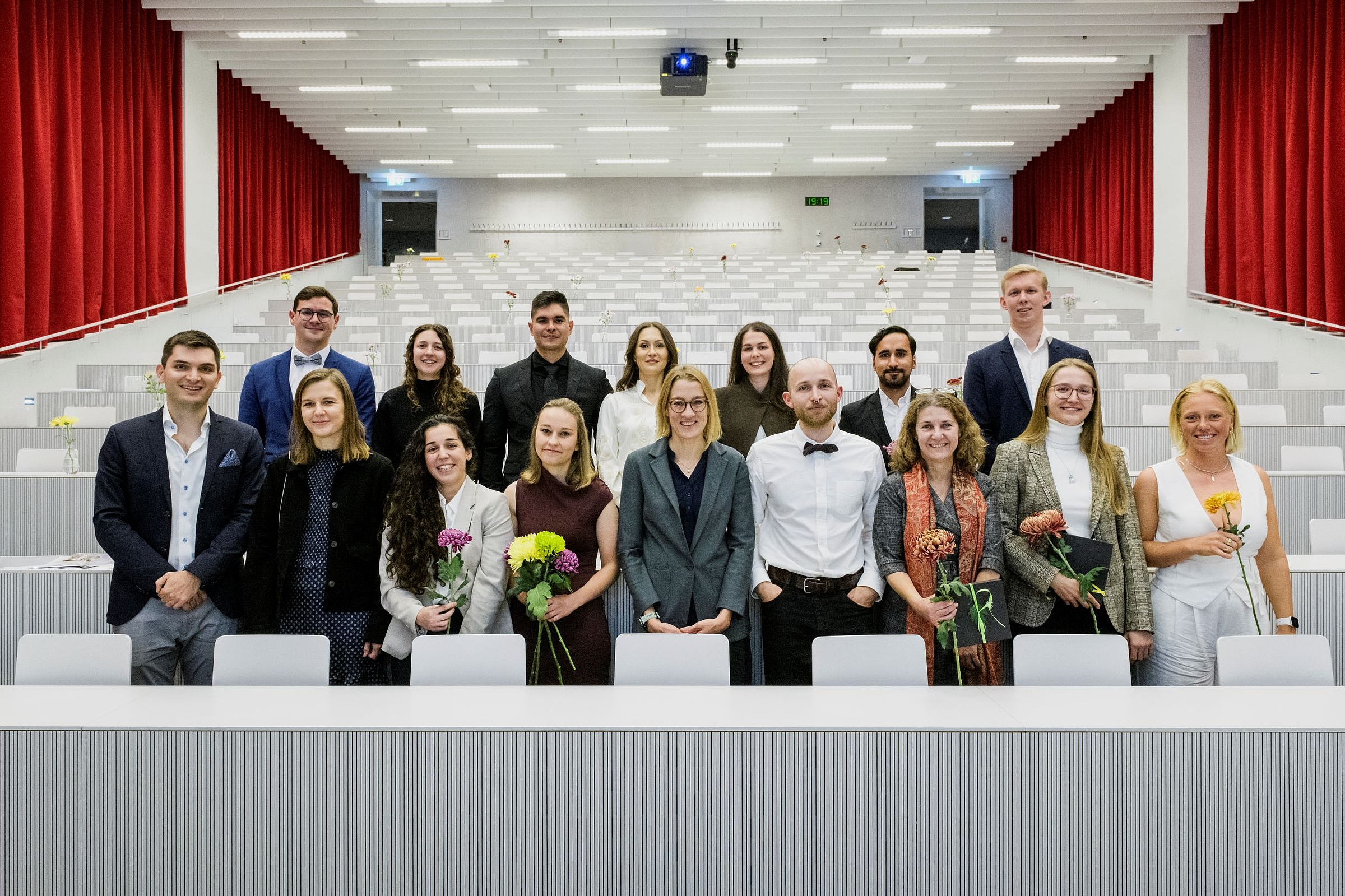
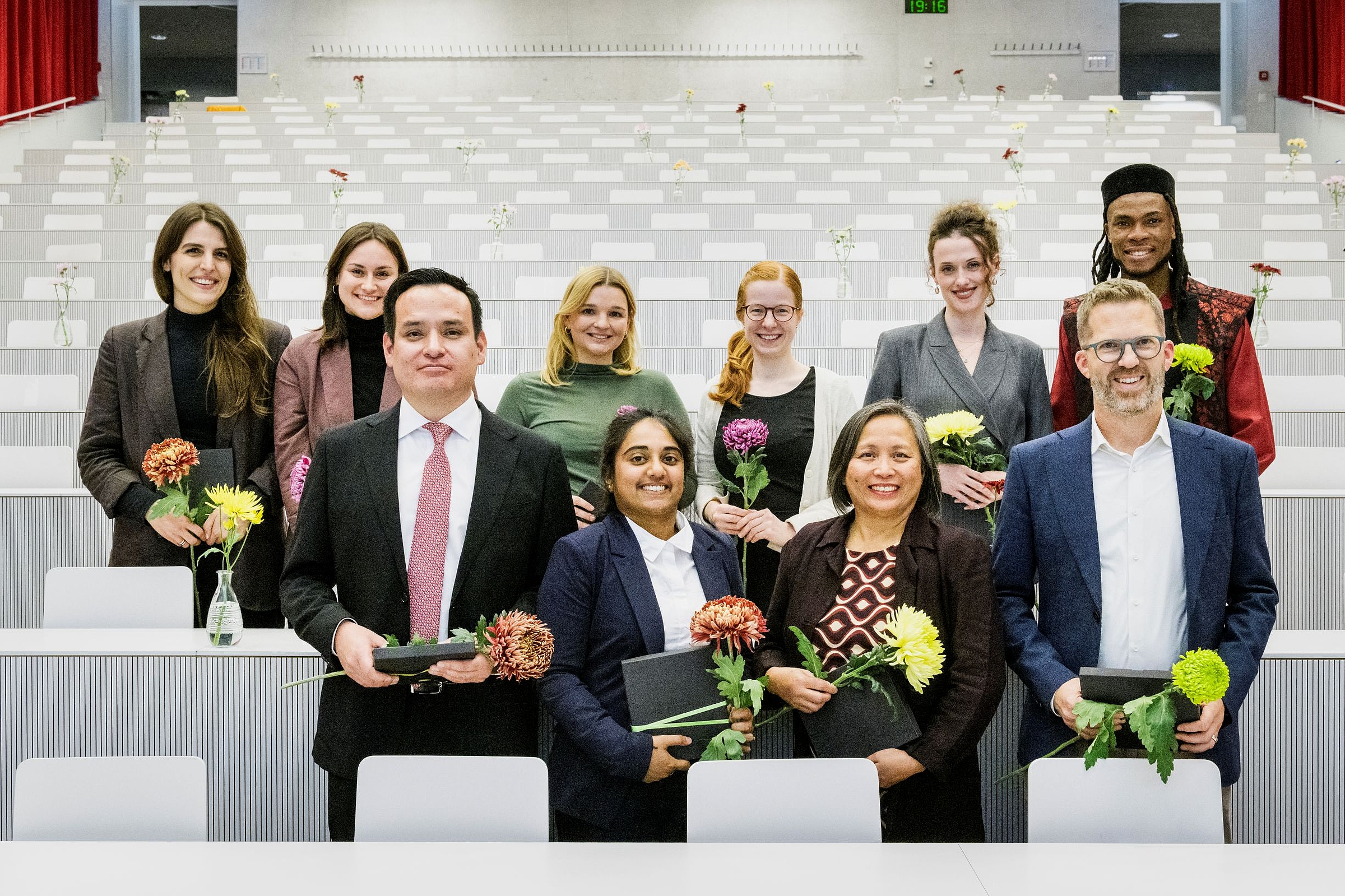
At the Faculty of Health Sciences and Medicine, a total of 43 people have successfully completed their doctorates. Together with their families and friends, they celebrated this important milestone.
 Enlarge image
On 5 November 2026, the University of Lucerne hosted the ceremony for the 13 graduates of the doctoral program in health sciences, the PhD in Health Sciences, and the 30 graduates of the doctoral program in medicine, the Medical Doctor (MD). In his welcome address, Dean Prof. Dr. Stefan Boes emphasized that a long and demanding journey lay behind each of these degrees. Above all, Boes said, a doctorate was a process of learning to ask the right questions. He also encouraged the graduates to recognize the many people who had supported them along the way.
Pause, examine, judge
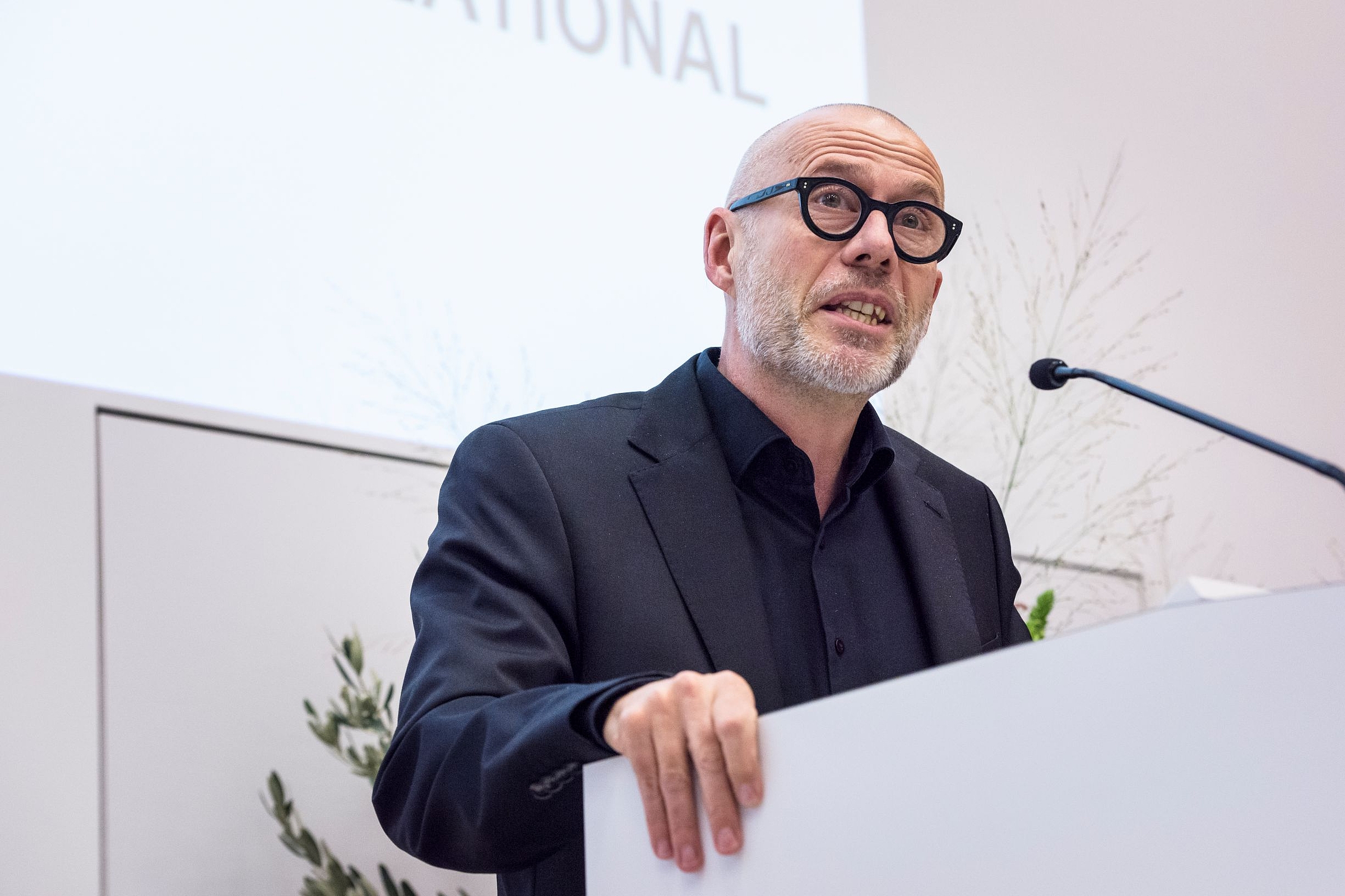
Ceremonial speaker Dr. med. Kerstin Gabriel Felleiter, Chief Physician of Outpatient Services and Deputy CEO of Lucerne Psychiatry, spoke about the importance of asking questions in a fast-paced world. She described a paradox: while the volume and speed of available information continued to increase, less and less time remained to evaluate it. The ability to pause, examine information, and exercise sound judgment was therefore, in her view, more valuable than ever. According to Gabriel Felleiter, the graduates had developed precisely these skills during their doctoral studies by learning to tolerate uncertainty, question simple answers, and accept that deeper inquiry often raised further questions.
Artificial intelligence (AI), she continued, made these abilities even more essential. While AI could measure and predict, evaluating the information it provided remained a human responsibility, Gabriel Felleiter stressed. She concluded with three wishes for the graduates: to remain curious, preserve their intellectual independence, and hold on to their humanity and humility.
The Art of Overthinking
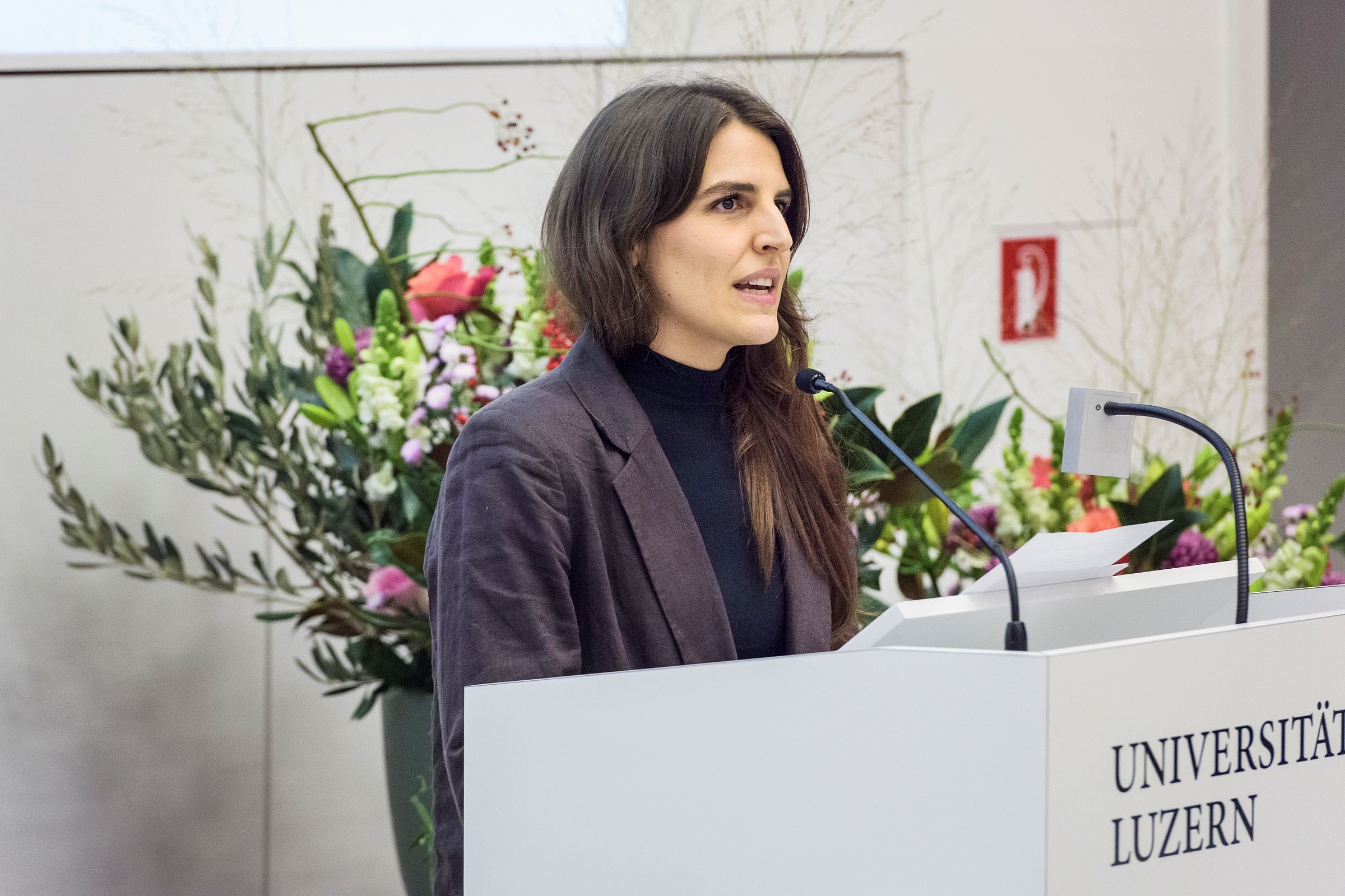
After the PhD graduates had been honored, Dr. sc. Anna Vokinger addressed the audience as student speaker. In German, the expression “einen Doktor machen”, literally “to make a doctorate” means to overthink. Anna Vokinger made this idiom the focus of her address, capturing the central theme of the evening: the importance of critical and in-depth thinking.
Overthinking, she noted, was precisely what the graduates had spent the past years doing. According to Vokinger, they had learned to be precise, to question assumptions, to think beyond the obvious, and to accept that there was no final version. The peer review process, she recalled, had also provided its share of memorable experiences, not least through the infamous “Reviewer 2.” Yet the doctoral journey had been about much more than research. Echoing the dean’s remarks, Vokinger emphasized that it was the people around them who had kept the graduates going, from fellow students, postdocs, and professors to faculty staff, friends, and family.
Following Vokinger’s address, Prof. Dr. med. Thomas Nyffeler, Deputy Vice-Dean of Medicine and Medical Sciences, honored the MD graduates in the final official part of the ceremony. Music throughout the evening was provided by a trio led by violinist and vocalist Yulianna Khomenko. At the subsequent reception in the cafeteria, the graduates raised a glass to their achievements with their families and friends.
Impressions
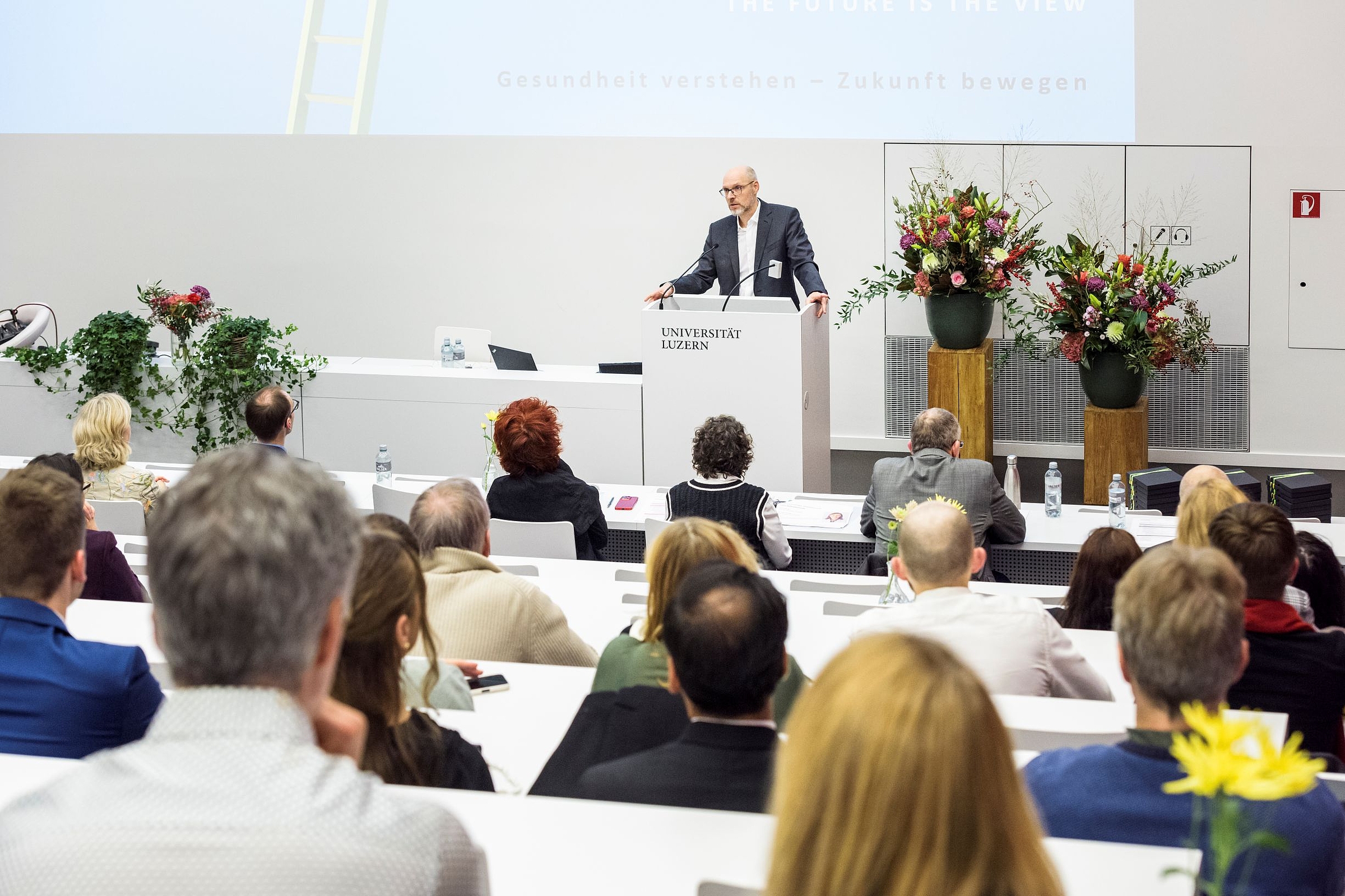
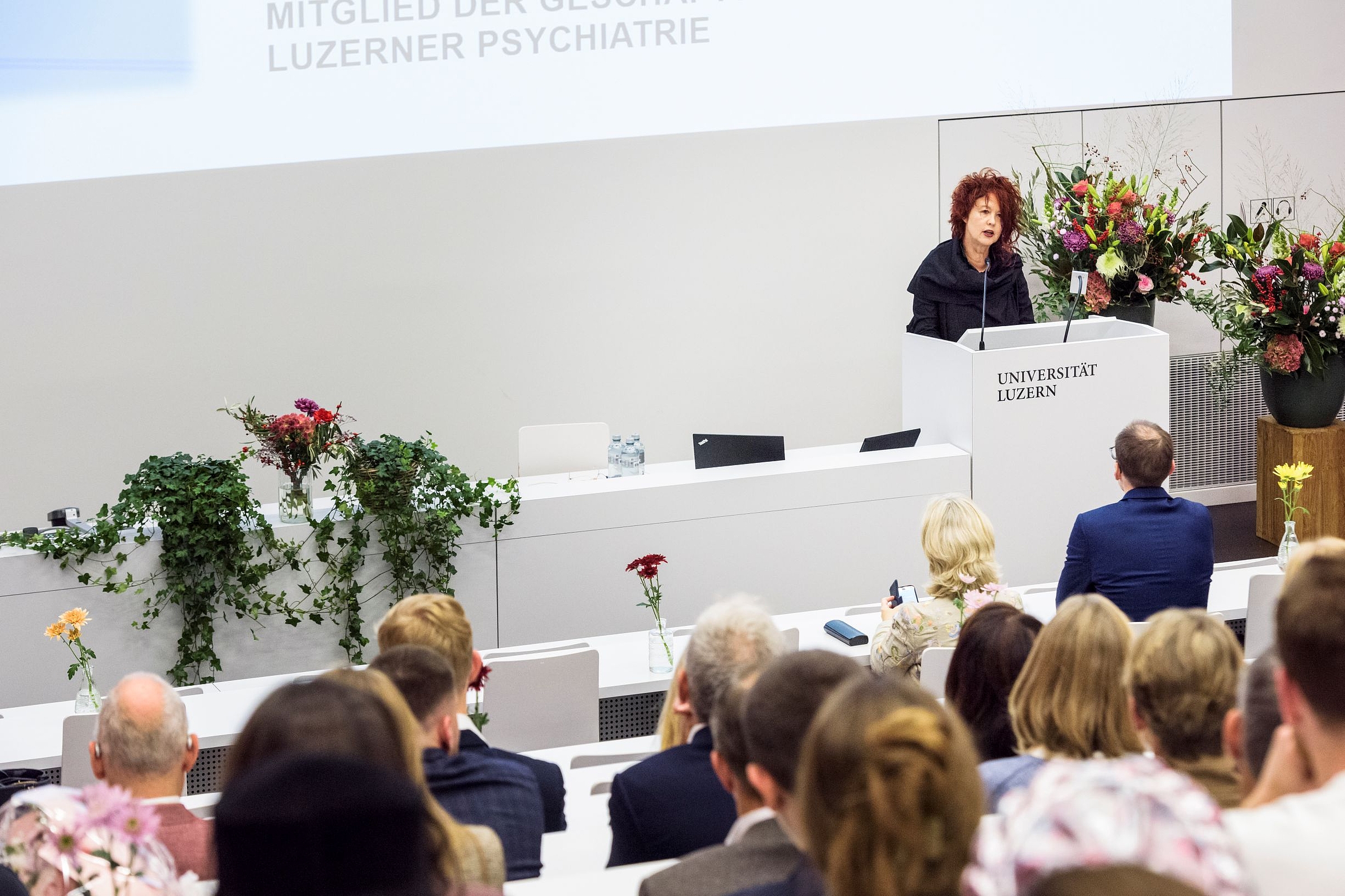
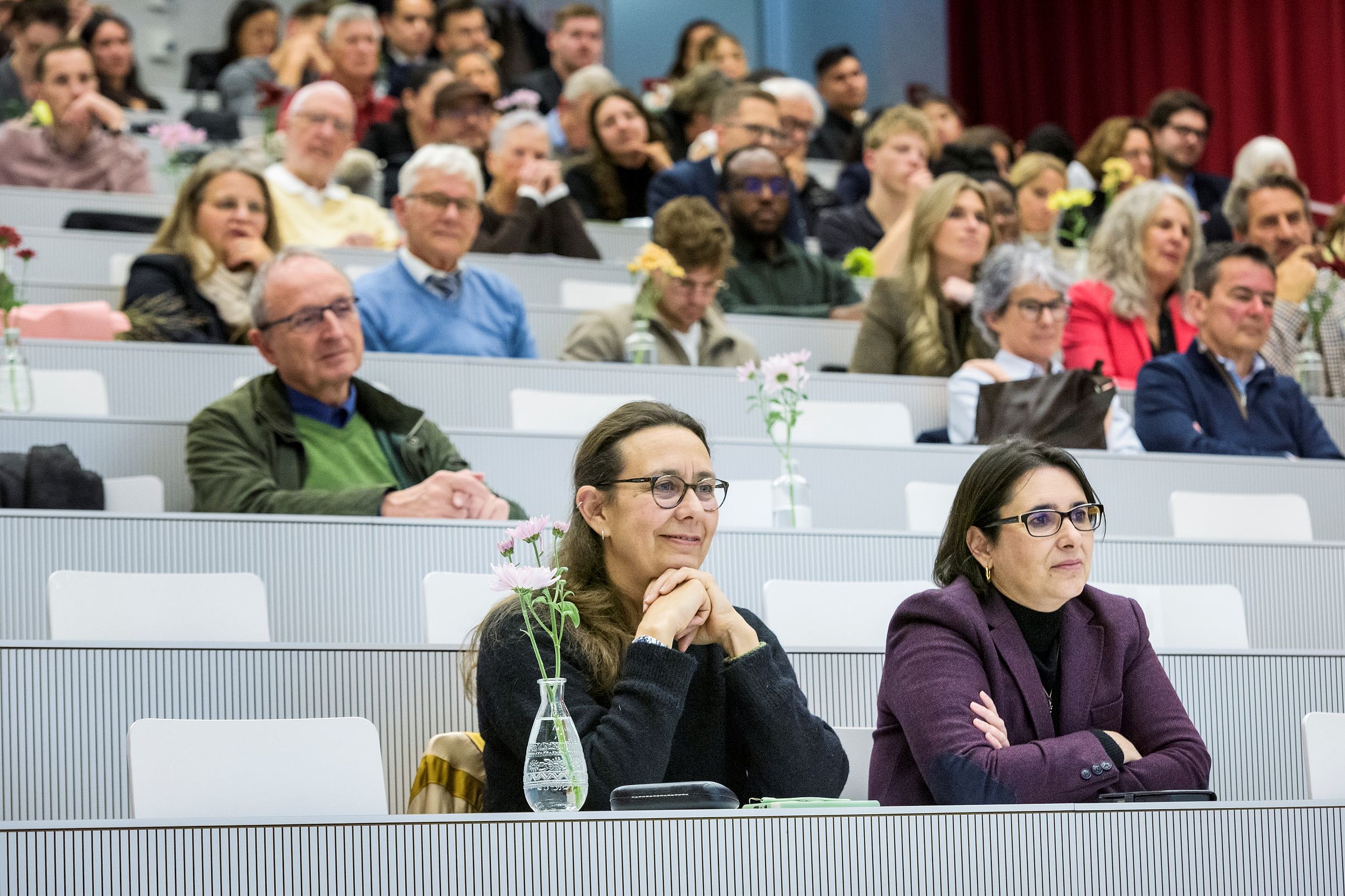
Photos by Markus Forte


