Computing Europe's past
How did the home computer reshape European society? Professor Gleb Albert and his team are uncovering how affordable computers transformed the continent from households to war zones.
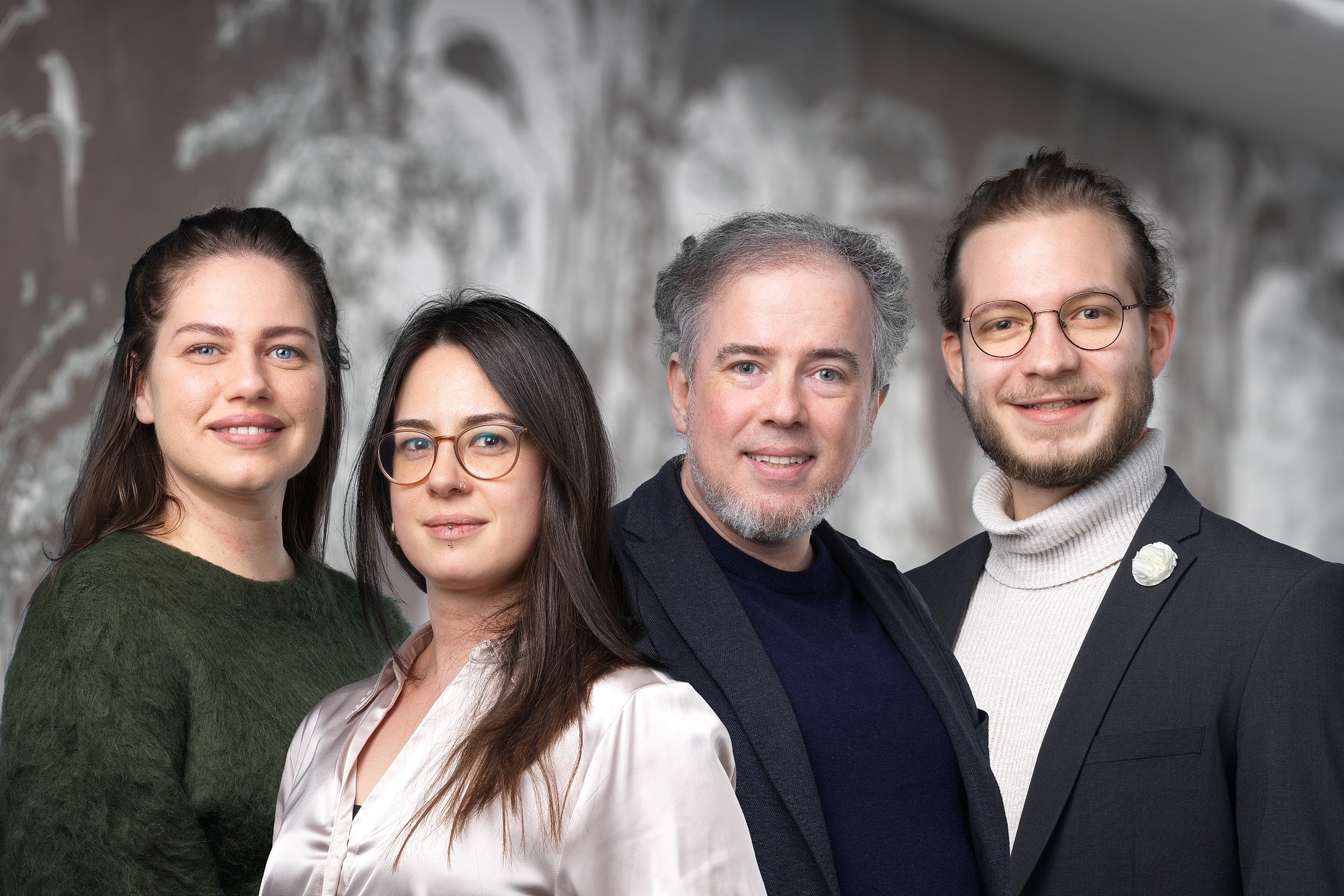
Smartphones, digital platforms and tech giants shape our everyday lives, yet the origins of our digital present lie in the 1980s, when affordable computers found their way into private households. The Swiss National Science Foundation (SNSF)-funded project, "The Microcomputer as a Medium of Transformation in Europe, 1980–2000", draws on an extensive archive of press reports, KGB and Stasi files, interviews and digital datasets. Through three interconnected studies, the research team led by Gleb J Albert, Assistant Professor of Modern General and Eastern European History, is examining a pivotal but understudied period when computers changed people’s lives across both Western and Eastern Europe.
From hobbyists to entrepreneurs
The first study explores how thousands of computer enthusiasts transformed their passion into careers during the 1980s. As computers became accessible to the general public, they served as both medium and driving force behind the entrepreneurial zeitgeist that emerged during the Thatcher era. These pan-European developments shaped many of today's tech billionaires and marked a fundamental shift in how technology and business intersected.
The birth of gaming culture
The second study examines the gaming subcultures of the 1990s and 2000s, particularly the LAN party phenomenon that engaged hundreds of thousands of participants in West Germany alone. These gatherings were precursors to today's internet and gaming culture, digital community-building and e-sports. In East Germany, gaming was encouraged by the state, who saw it as a tool for introducing young people to computing and boosting the economy.
A lifeline for a city under siege
The third study investigates how computers became a lifeline during the siege of Sarajevo from 1992 onwards. With mass media serving as mouthpieces for warring parties and a communications blockade in place, computers offered the only means of relatively quick communication across conflict lines. Using modems and telephone connections, networks enabled people to search for missing persons, practise independent journalism and maintain contact with the outside world – services that Western media organisations also relied upon.
The project illuminates how home computers shaped European history as a driving force for entrepreneurship, the foundation of new subcultures, and a vital communication tool during conflict. It offers insights into the digital present by revealing the roots of today's technology-driven society.
This article is based on an interview published in the 2025 Annual Report .


