A bridge between religions
Last Friday, the second student and alumni conference of the Online Master’s in Philosophy, Theology, and Religions (PhilTeR) in Lucerne demonstrated how philosophy can serve as a common platform for dialogue.
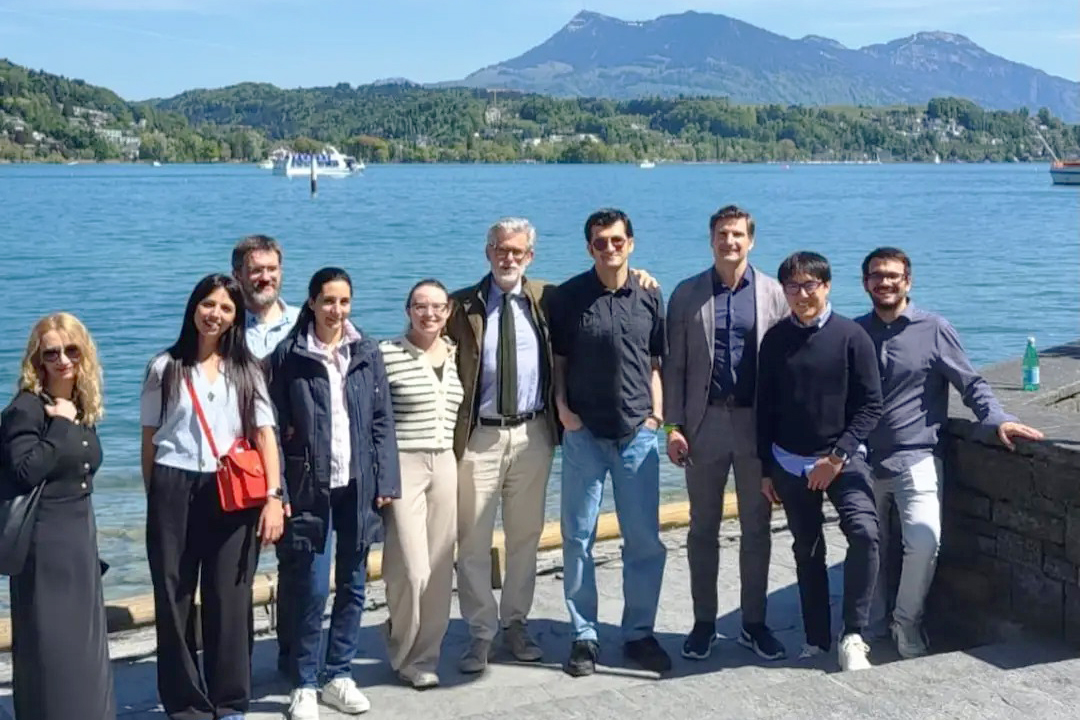
Under the title “What Future for Philosophy of Religion?”, participants discussed highly sensitive topics such as faith, evil, the Holocaust, and the future of religions. The Center for Theology and Philosophy of Religions (TheiRs) organized the event, which highlighted the unique role of the history of philosophy as a bridge between religions.
Historical roots for dialogue between religions
The core concept of the English-language online Master’s programme PhilTeR is based on a historical insight: Over the centuries, philosophy has offered Judaism, Christianity and Islam a common language - and thus a space in which differences could be productively negotiated rather than overcome. In Lucerne, this tradition of dialogue was revisited, particularly under conditions that make it difficult: in the face of global political tensions that directly affect many of the countries represented. Despite these current circumstances, a productive and peaceful atmosphere prevailed among the participants from Iran, the United States, Lebanon, Russia, Turkey, Ukraine and China.
A global academic community
Although the programme is primarily conducted online, in-person sessions are essential. In addition to the countries mentioned, participants from Romania, Spain, Italy, Poland and Croatia were present on site, while students from Mozambique, Canada and the United Kingdom participated remotely.
The conference was led by Professor Giovanni Ventimiglia di Geraci together with the Master’s programme coordinator, Professor Ryan Mullins. The participants were supported by tutors David Anzalone (main organizer), Dario Affronti, Davide Falessi, and Ali Taghavinasab. The event demonstrated how philosophical competence can foster intercultural understanding.


