2026: Bodies

Monday 6 to Friday 10 July 2026, University of Lucerne
Bodies
“Why all the fuss about the body?” Caroline Bynum first posed this provocation in the mid-1990s, prompted by a “proliferation” of new writings and theorizations, including then-recent and now-classic works by Judith Butler, bell hooks and Susan Bordo. Looking back some three decades on, we see that the ‘fuss’ was no temporary flare-up or mere passing fad. Rather, it was symptomatic of an emergent ‘bodily turn’ that has, in the years since, moved the terminology of bodies – real, imagined and metaphorical – to the foreground of critical thinking across law and the humanities.
The fruits of this turn need no special elaboration. Interventions in critical theory, performance studies, affect theory, Black studies, feminist and queer theory, posthumanism and new materialist studies have given us an array of new vocabularies and insights to bring to bear on our thinking about bodies, their meanings, entanglements and limits. The body, in Rizvana Bradley’s phrase, has become a “discursive meeting ground” for an “unwieldy multitude of concepts and debates, affects and afflictions, conflicts and contestations”, the distinctive expressions of which span multiple fields, disciplines and cultures. While not always clear whether these numerous articulations work in tandem or at cross-purposes, they have, in their very plurality, fostered a deeper engagement with, and problematization of, the “matter of bodies” (Butler). Our present moment – marked by demographic convulsions, war, enhanced practices of surveillance, ubiquitous mobile media, posthuman subjectivities, and new forms of political protest and social movements – urges us, meanwhile, to ‘fuss’ further: to give continued and renewed care to re/thinking the significance of bodies in various contexts, situations and relations. Or to ask more pointedly: do bodies still matter? And if so, why, when and how?
In this spirit, the 2026 Critical Times summer school invites emerging scholars in law and the humanities to gather anew around the theme of ‘Bodies’. Together, we will think about bodies that assemble and disassemble, that appear and disappear, that are protected, punished, cared for, and ignored. From the vulnerable to the resistant, the human to the more-than-human, we ask how legal and cultural frameworks make some bodies visible and others invisible – and how embodiment, performance and affect shape and unsettle our legal imaginaries.
Open to postdocs, PhDs and advanced graduate students from different disciplinary and interdisciplinary backgrounds, the aim is to create a live and lively space of inquiry and creativity – a temporary assembly of thinking, feeling, and embodied scholarship.
Photos
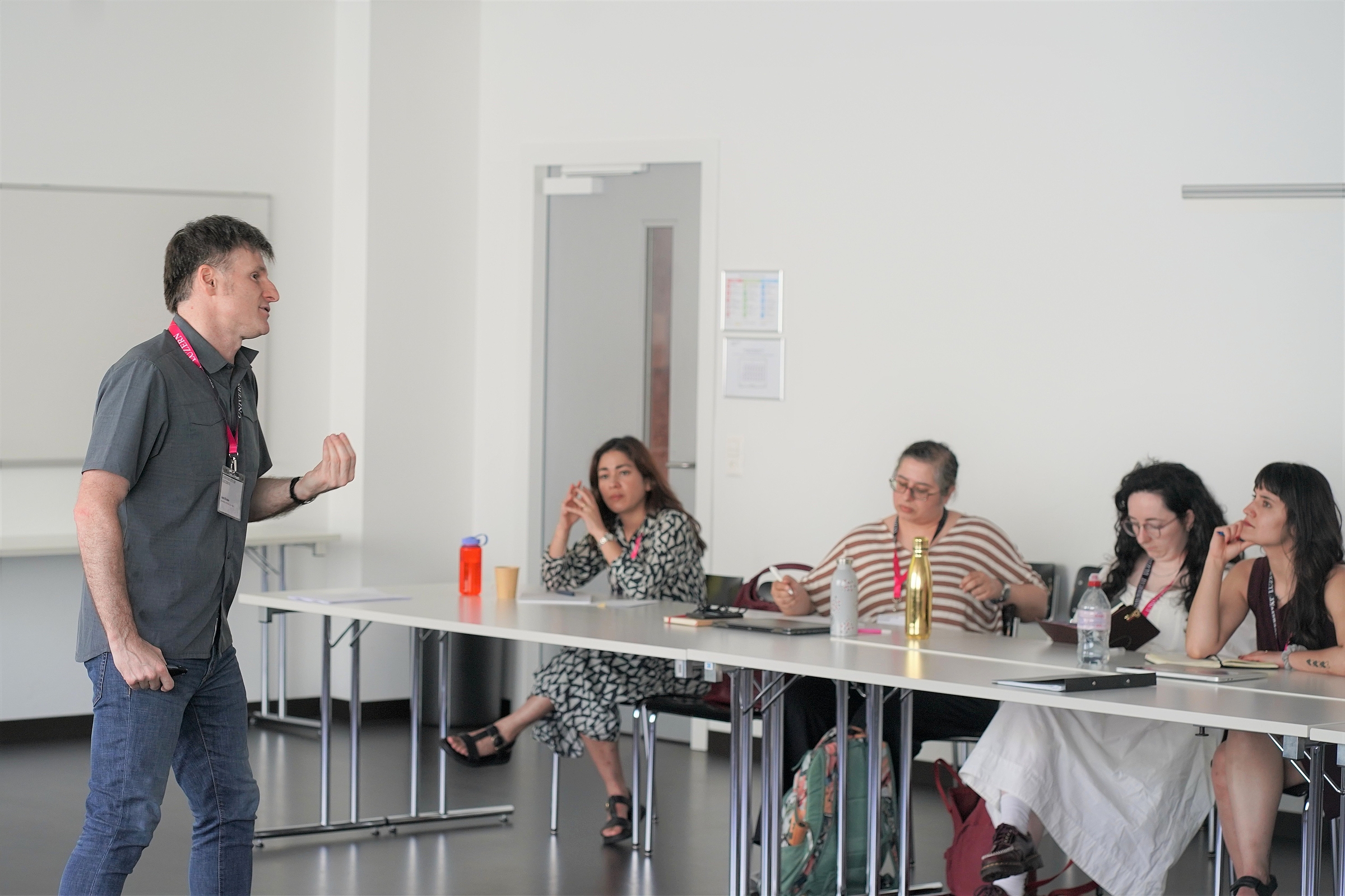
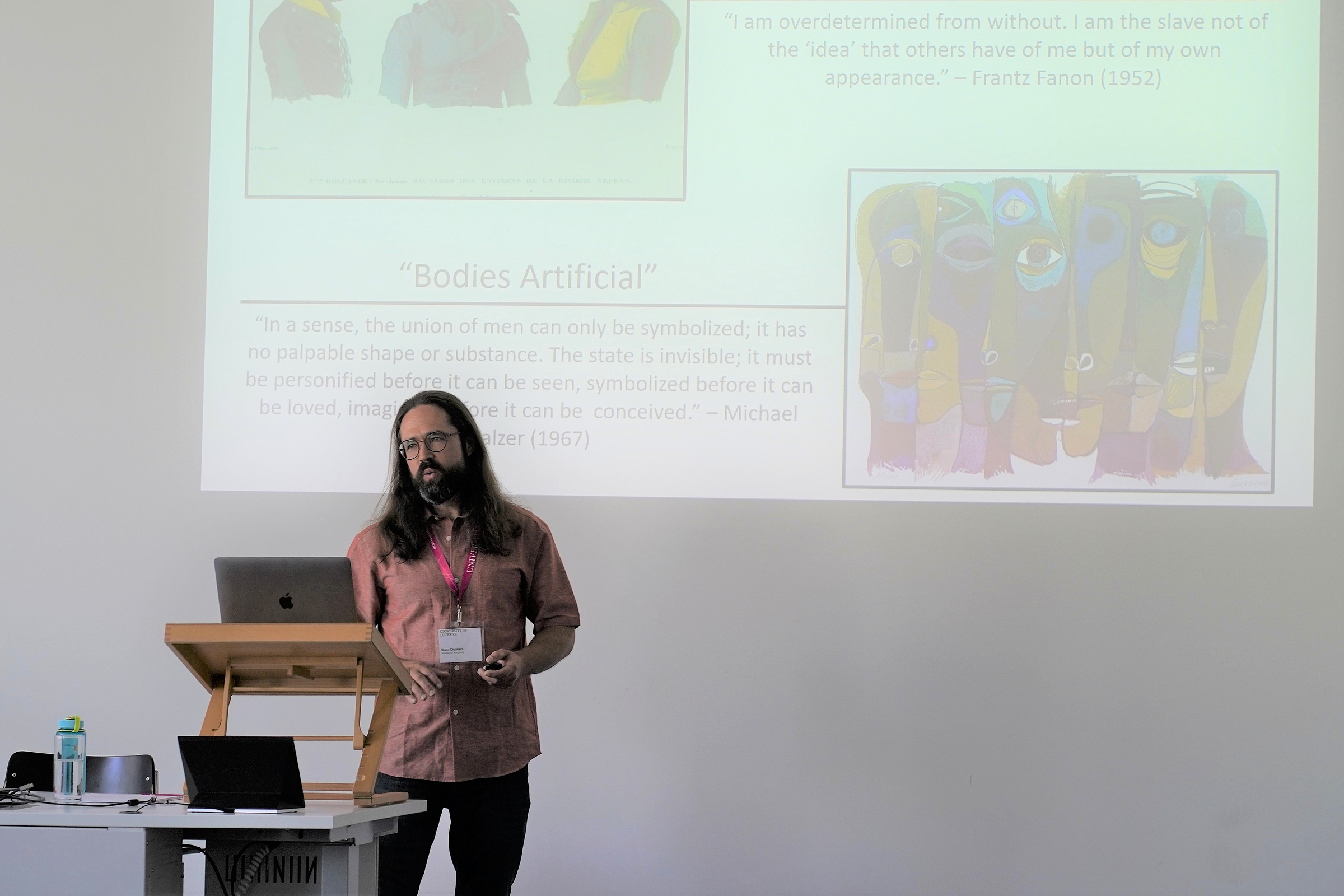
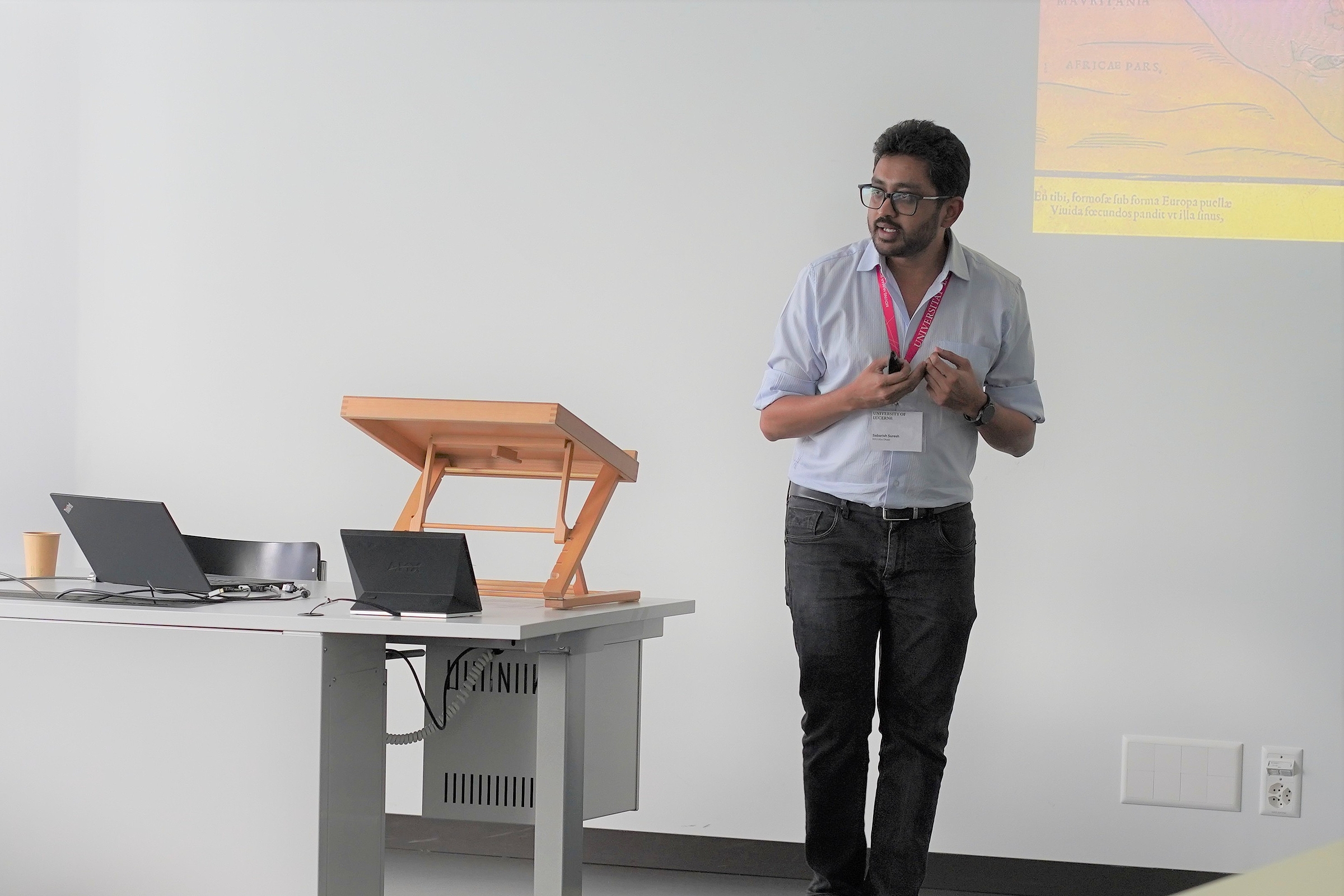
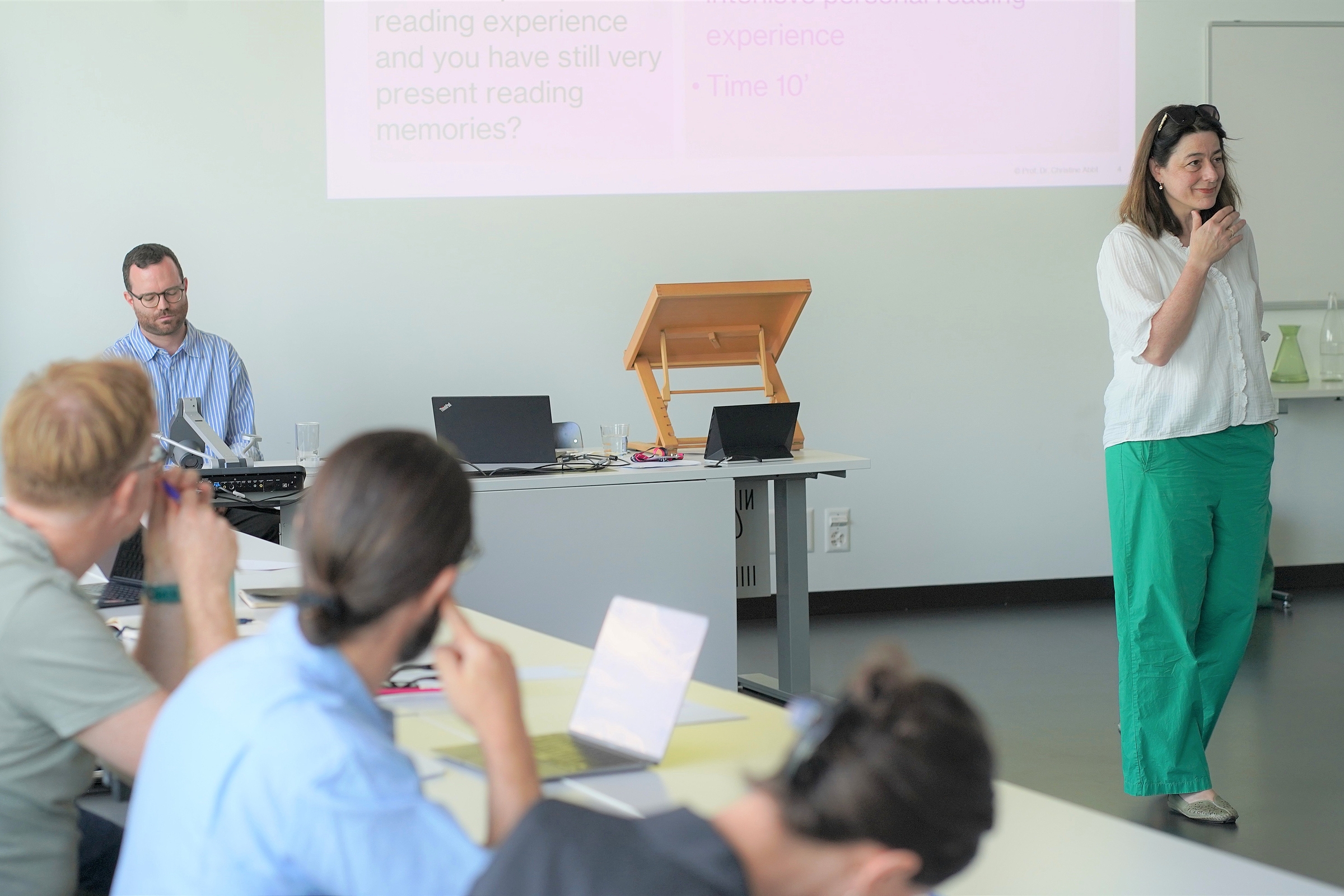
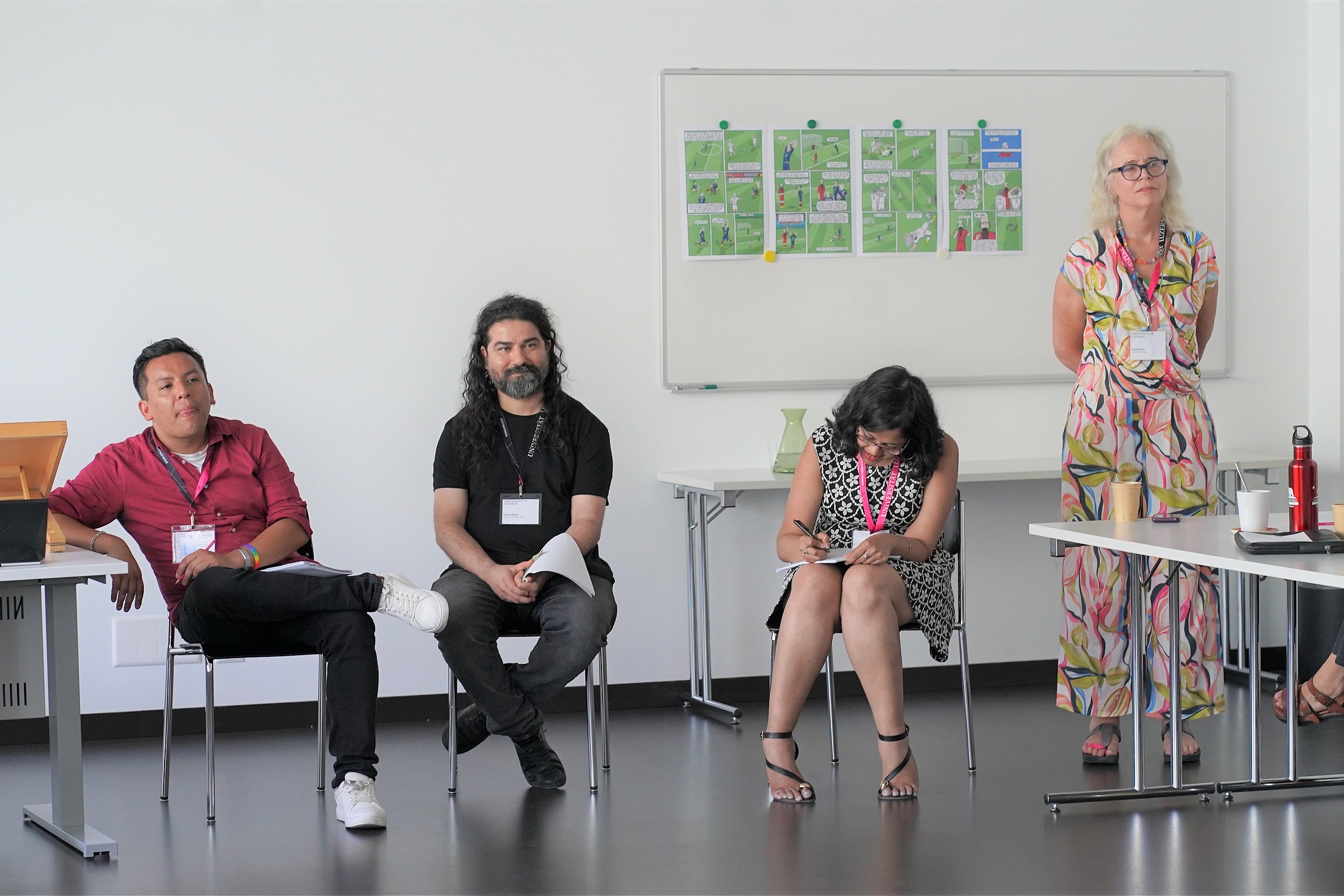
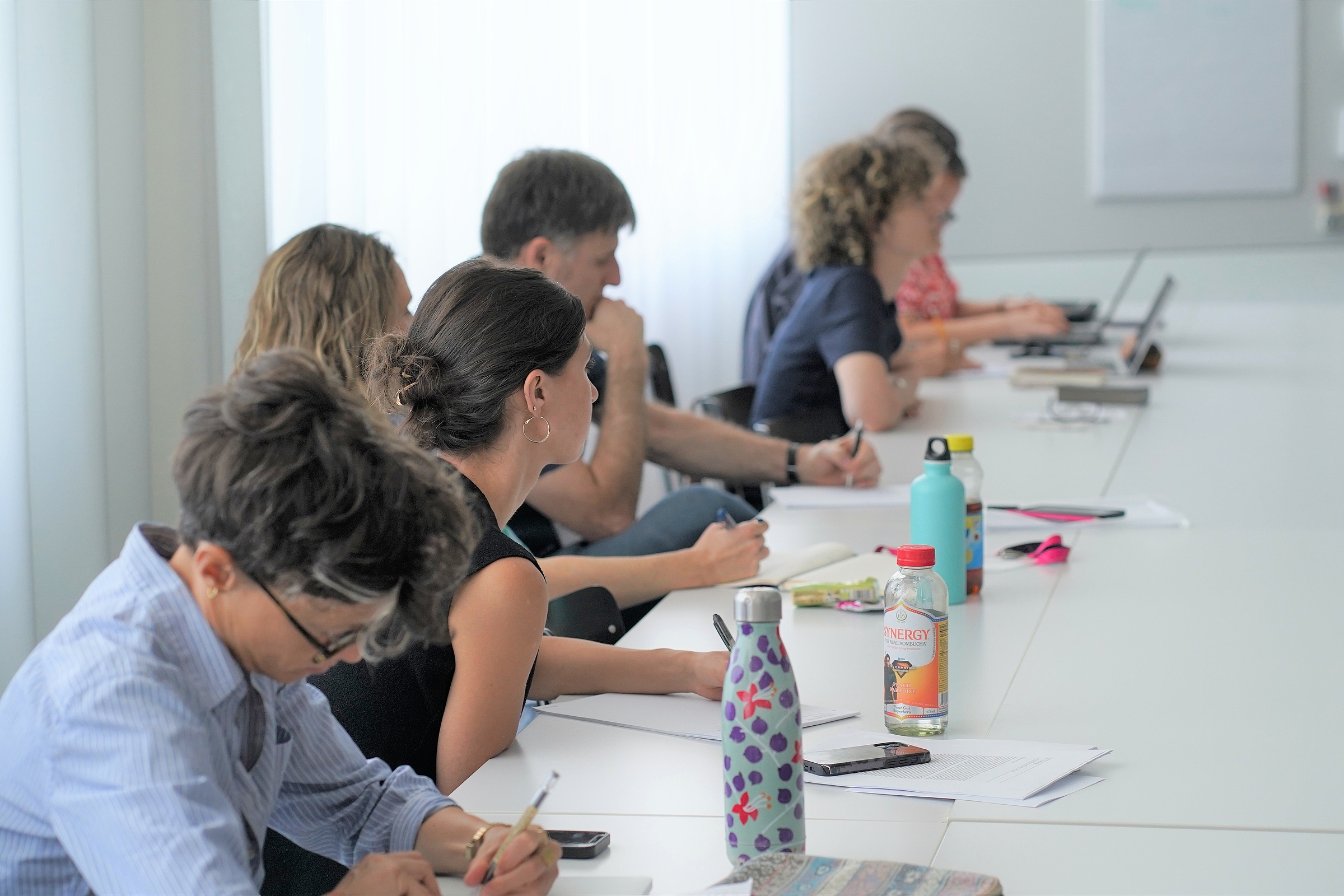
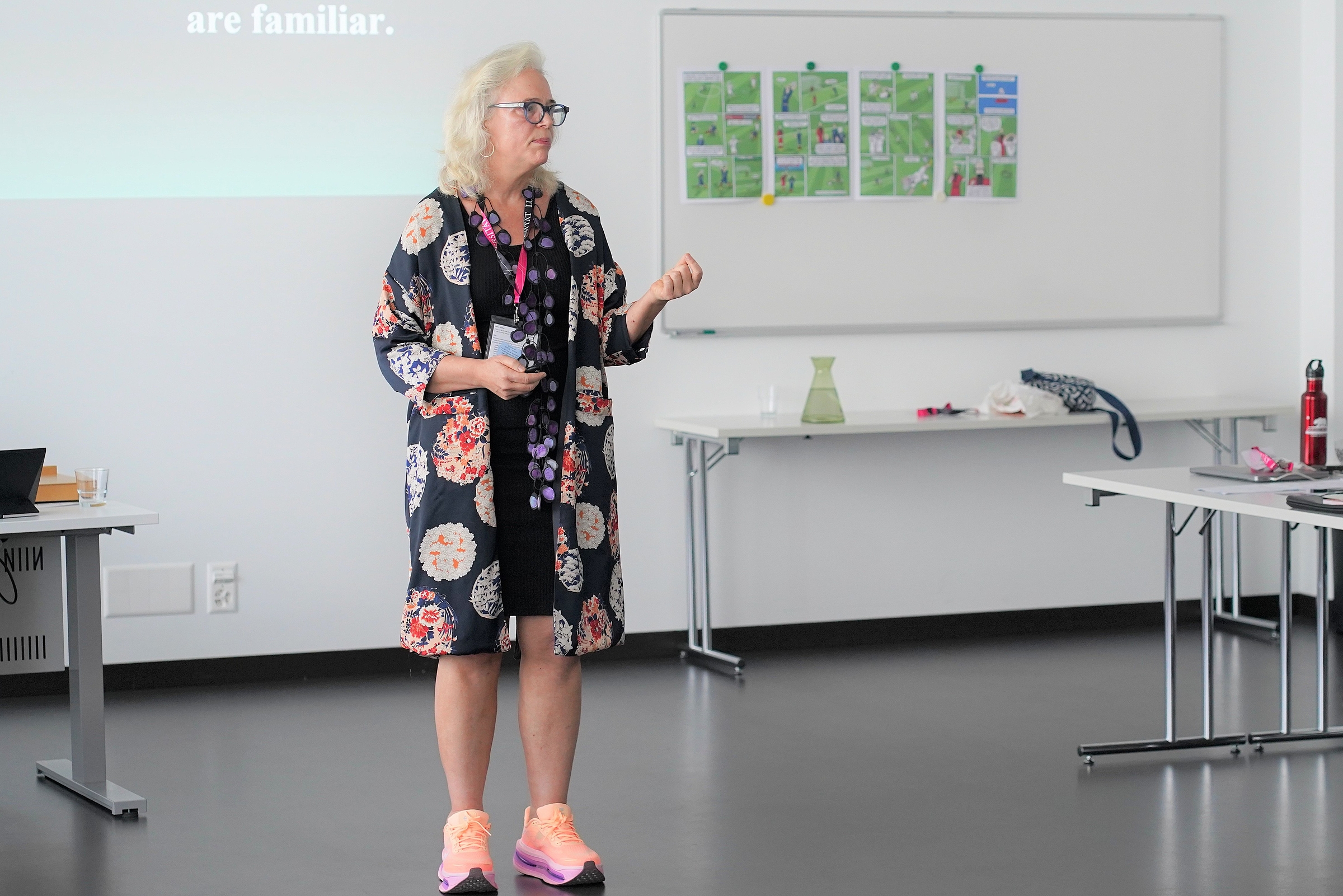
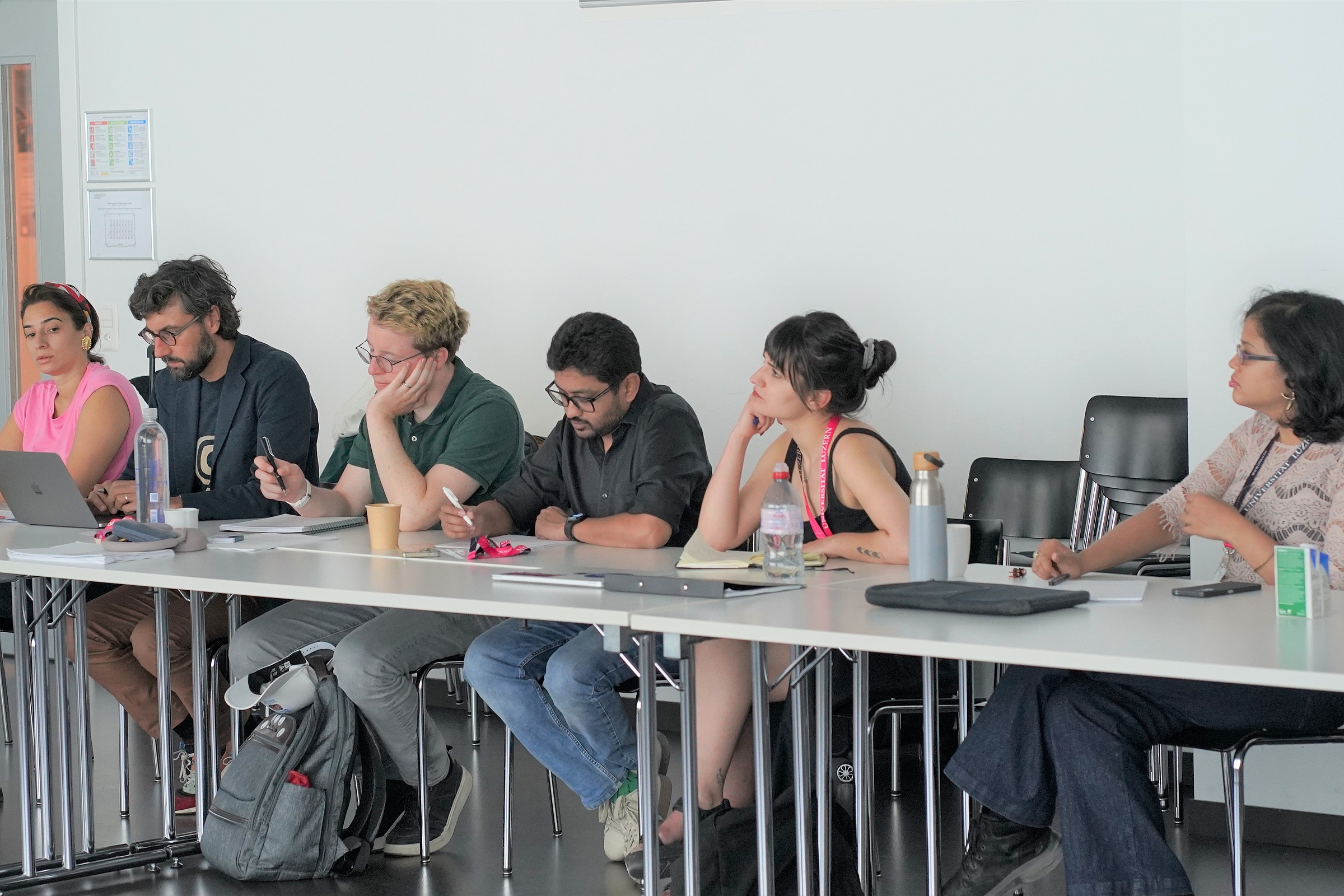
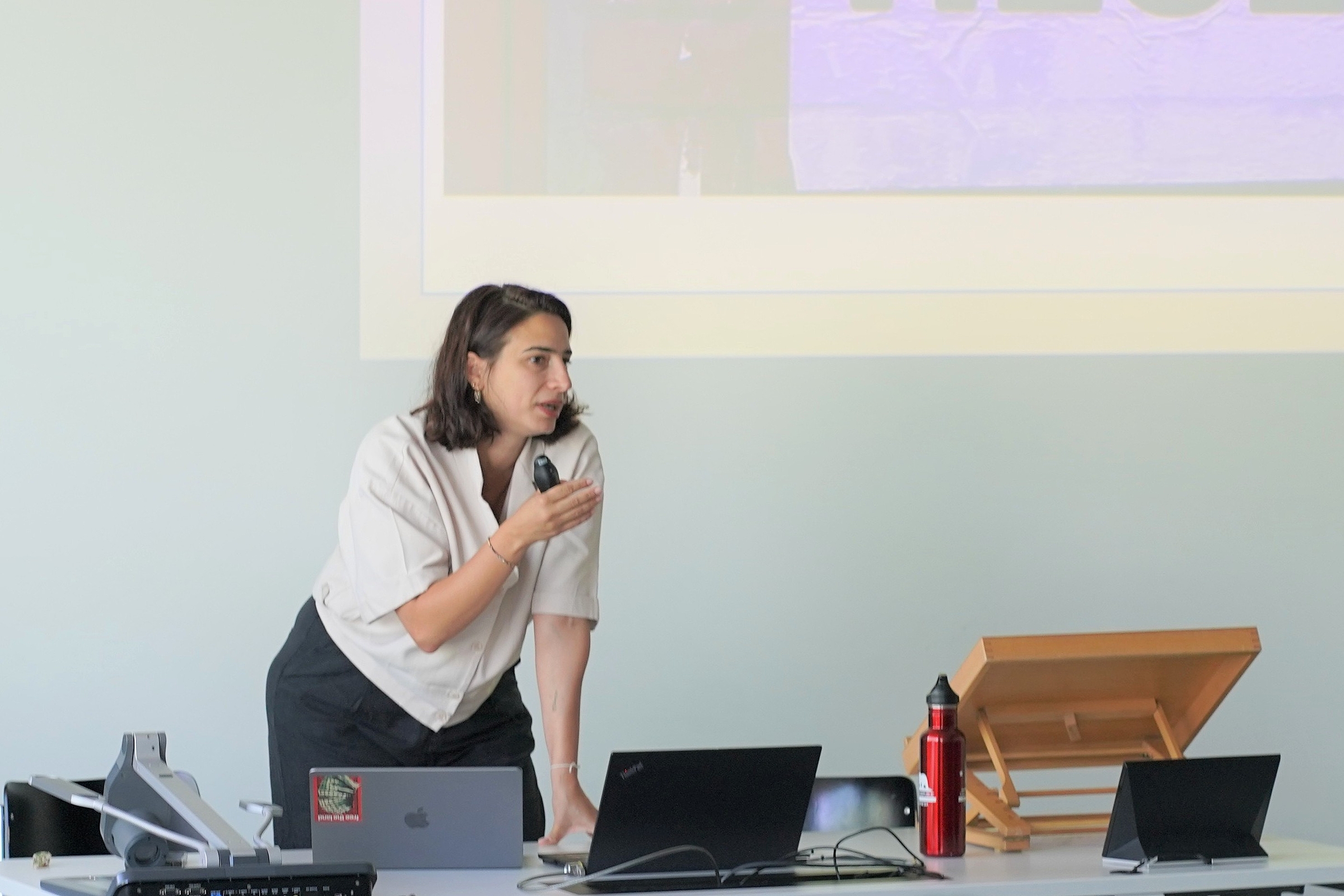
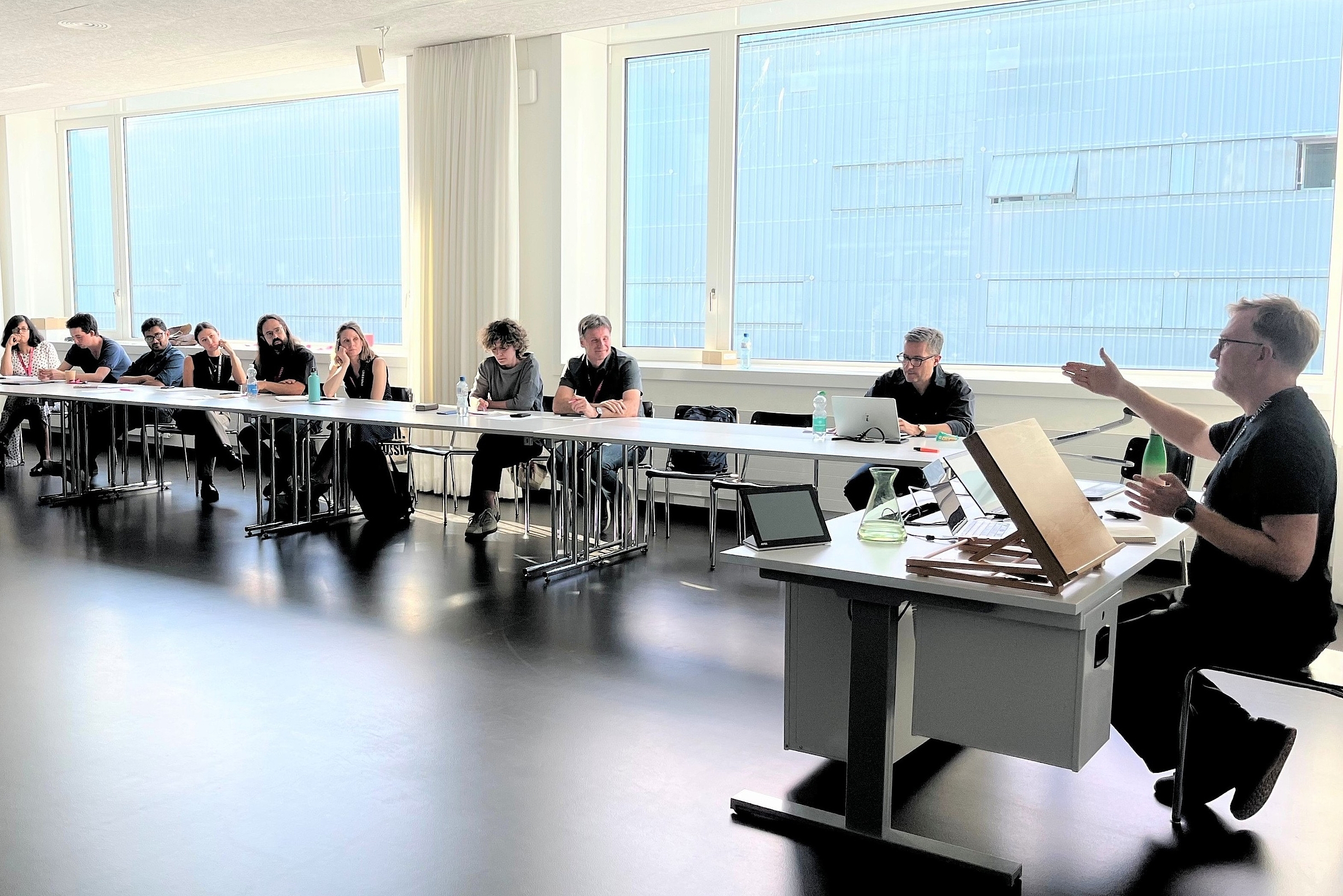
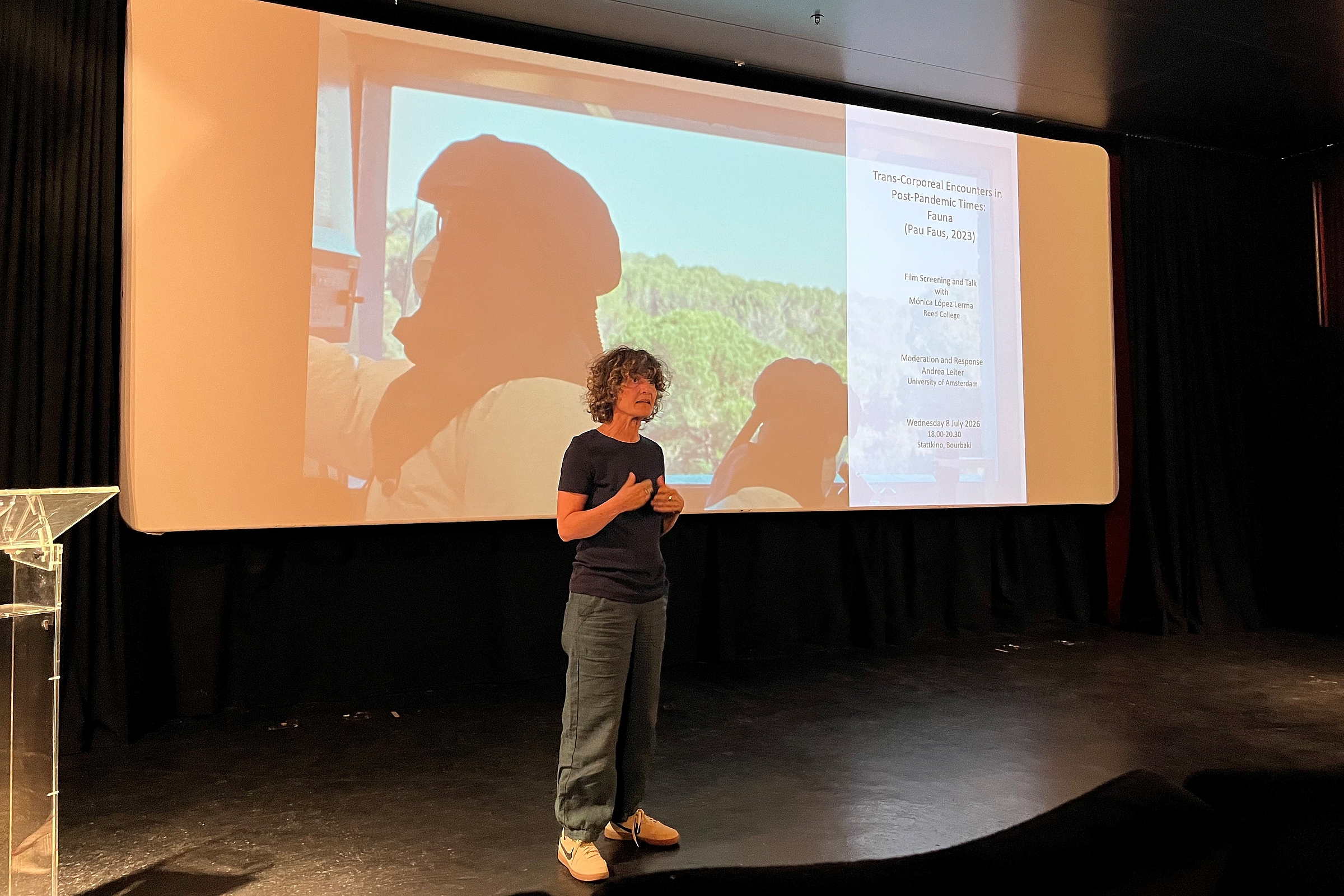
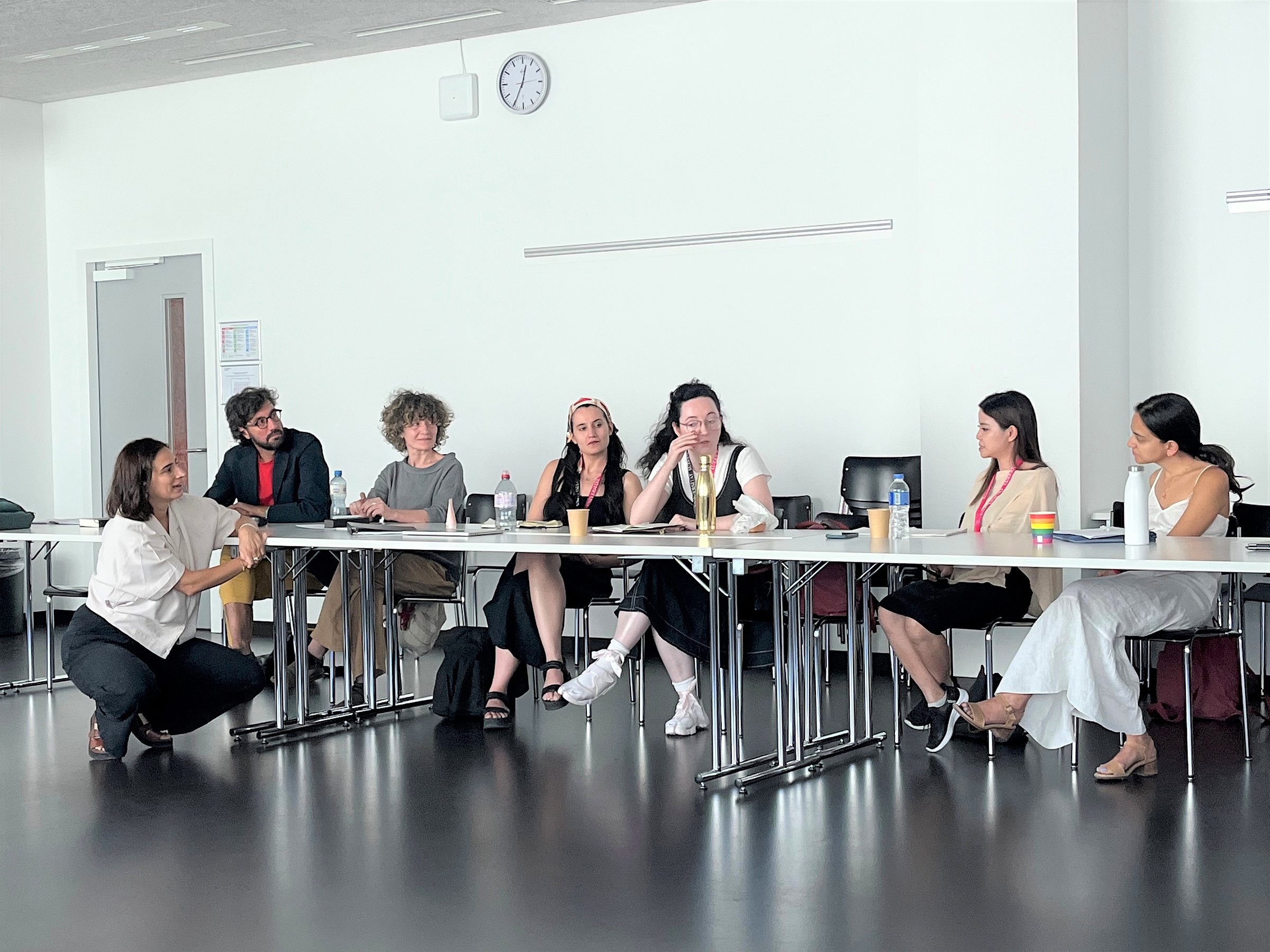
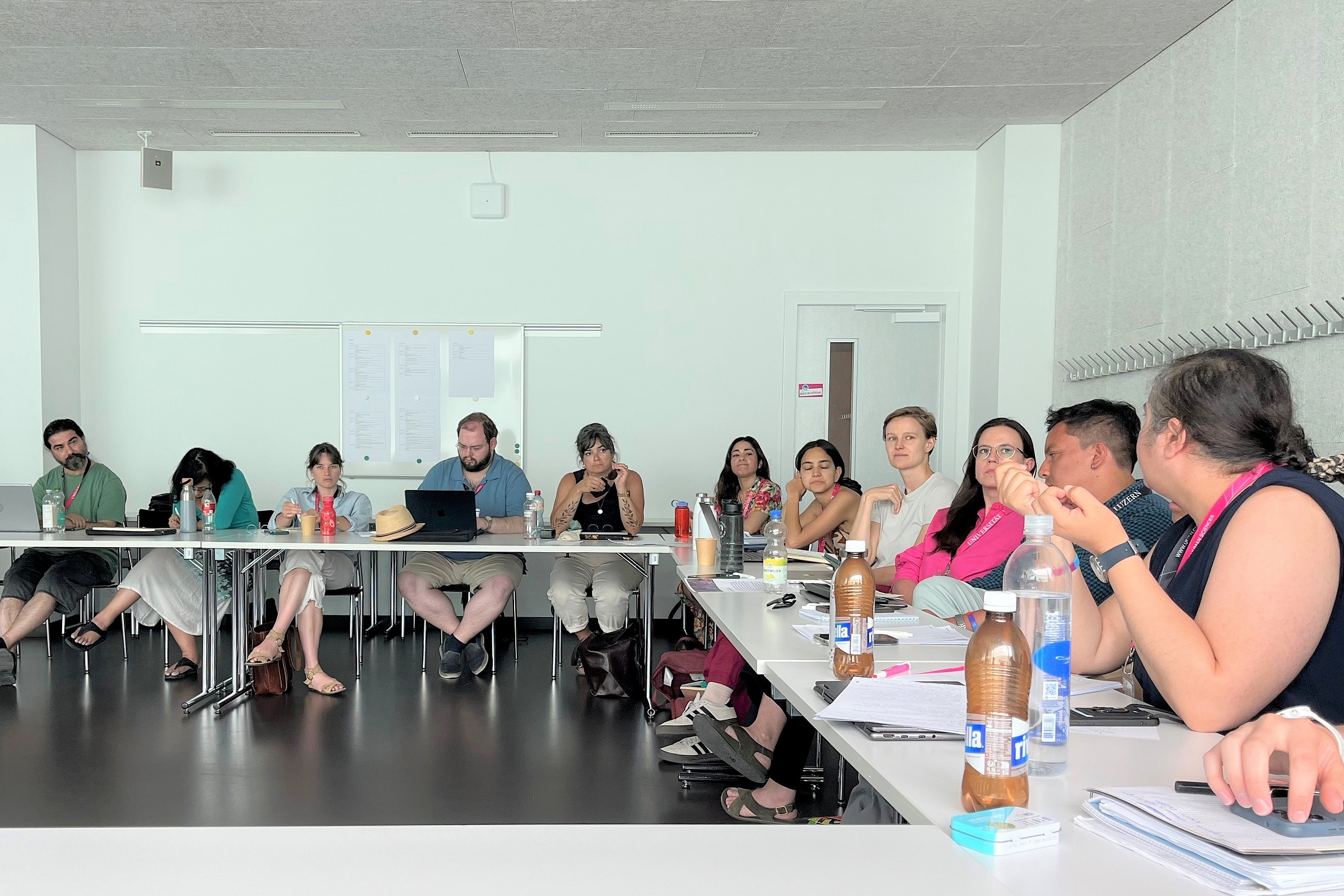
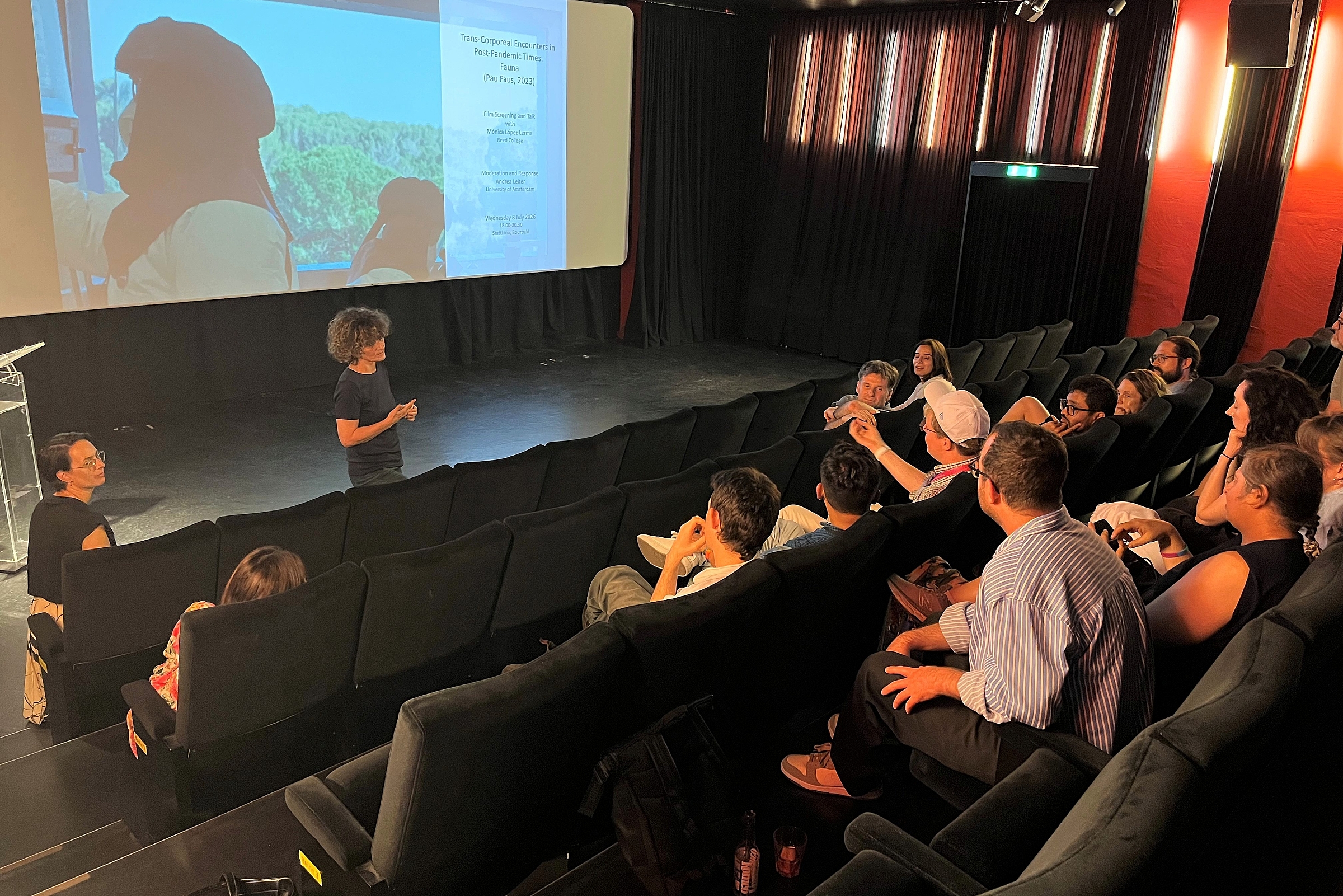
Testimonials
Below is a selection of feedback from participants in the 2026 Critical Times summer school on Bodies:
“Overall, this was an excellent experience and a very valuable opportunity for my development as a researcher. This summer school is unique: there was no sense of hierarchy, and instead it created the kind of utopian academic environment I imagined when I first started my PhD journey. It was a space where people could exchange ideas openly and learn from each other. Thank you very much for this wonderful experience!”
“This was an invaluable experience that exceeded expectations. It is rare as an academic to experience a space that is rigorous but inclusive, professional yet personal; this summer school achieved all of the above. I was especially appreciative of the sustained engagement by leading faculty who not only delivered their seminars, but went above and beyond in in-between moments of conversation. I leave feeling not only more confident in my own project, but grateful for the sense of authentic intellectual community to follow in the wake of this summer gathering.”
“Attending the Critical Times summer school was a truly special experience that I am extremely grateful for. Above all, that was the result of the brilliant group of facilitators and participants that created a space for respectful and open exchange, constructive critique and creative thinking. It was one of the very few truly interdisciplinary spaces I have encountered so far as a legal scholar, which made it incredibly enriching for my research because of the multitude of perspectives. That, together with what felt to me like a good size group and the fact that everyone (in particular the more senior academics) in my impression strived to make it as non-hierarchical a space as possible, led to lively discussion both in- and outside of sessions. As such, it was a wonderful opportunity for me to test some new ideas in a critical, but supportive environment.”
“I am extremely grateful for the opportunity to meet so many motivated scholars, engage with such a wide range of perspectives, and receive so much thoughtful feedback on my own work. I would be delighted to take part in future events.”
“My experience at the Critical Times Summer School “Bodies” was both intellectually stimulating and unforgettable.”
“The academic programme was truly outstanding. As someone who was not previously familiar with many of the theories and concepts presented by fellow participants, I feel like I learned an extraordinary amount in just a few days and was able to seriously engage with theoretical approaches outside my immediate field. This has provided me with new perspectives from which to consider my own work.”
“The academic programme was excellent. It was genuinely interdisciplinary, bringing together scholars from different backgrounds and with different perspectives. This diversity of views was one of the main strengths of the week. The size of the student group was ideal: everyone could participate in discussions and get to know each other over the five days.The organisation was superb.”
“While the programme was intellectually intense, the carefully structured schedule including the frequency of breaks, length of sessions, the variety of session formats, and the social events, made the summer school highly enjoyable. It also provided plenty of opportunities to get to know fellow participants and to exchange comments and ideas beyond the individual sessions.”
“What I valued most was the opportunity to present my work and receive a full 20 minutes for the presentation. Many PGR summer schools are much less focused on participants presenting and discussing their own research, and this aspect is particularly valuable for PhD researchers.”
“The variety of the events was a highlight – a mixture of academic sessions and meta-reflexive opportunities regarding our work as intellectuals and scholars. […] I will remember the experience for a long time, and everything I learned will remain on my future work. Looking forward for more opportunities to collaborate with Lucernaiuris!”
“On a practical note, the university facilities were great, the organisation was incredibly smooth and the catering was really good. I also appreciated longer break times, taking into account the fact that a lot of productive discussion and bonding between participants takes place outside of the formal program.”


