2025: Disruptions

30 June to 4 July 2025, University of Lucerne
Disruptions
Ours is a time of disruption; a “disruptive age” as Bernard Stiegler terms it. Rapid technological change, the accelerating scarcity of biospheric resources, heightened political and economic volatility, social unrest and discontent – these are just some of the pressures that are radically (re-)shaping the modern condition, and which are making the experience of disruptiveness an “epochal signature” (Erich Hörl) of the twenty-first century.
The language of disruption is pervasive. At root, the term derives from the Latin disrumpere, meaning to break apart or to shatter; it refers to the action of “rending or bursting asunder”. But it also carries the sense of interrupting or jamming; of “breaking between” and “preventing something […] from continuing as usual or as expected”. To disrupt is to unsettle conventional frames and norms, flows and continuities – it is, in essence, a destructive act. And yet equally, it holds force as a generative move – one that not only calls into question what is entrenched and naturalized but which conjures the possibility of thinking and making things anew.
For this year’s Critical Times summer school, we invite postdocs, ECRs and graduate students from across disciplines to join us for a week of intensive exchange on the meanings, forms and effects of disruption – as event, as process, as mode, as gesture. Our aim is to open a space for thinking – deeply, critically and creatively – about how disruptive forces upset existing notions of law and justice, tradition and community, and about the possibilities they open for transforming our legal, political and cultural imaginaries. Topics for consideration might include:
- How does the experience of disruptiveness impact the means and ways of ordering legal and political life?
- To what extent are rising “anti-democratic forces” engendering a “nihilistic disintegration of the social compact” (Wendy Brown)? What strategies are available to challenge these forces and to help re-knit the social and/or democratic fabric?
- How are shifting political dynamics – local, national and international – contributing to a dislocation of shared cultural values and dispositions? How might these effects be countered or mitigated?
- What is the work of media forms and practices in cultivating or resisting disruptive energies?
- How does the recent (re-)thinking of human and non-human agencies disrupt conventional notions of normativity and subjectivity – in law, politics and culture?
- What kinds of lawful relations are necessary to make our disrupted worlds newly livable and habitable?
- Which imaginative practices and resources have the power to disrupt entrenched narratives and deconstruct mythical understandings of the past?
- How might such practices and resources interrupt and transform our experience of time and space and with what artistic, political and legal implications?
- What aesthetic forms and representations might be enlisted to disrupt the “distribution of the sensible” (Jacques Rancière) and offer new ways of seeing and understanding?
- How might contestatory aesthetic and political practices catalyze change and produce a shift in hegemonic articulations of the im/possible?
Programme
The full programme is available for download here.
Photos
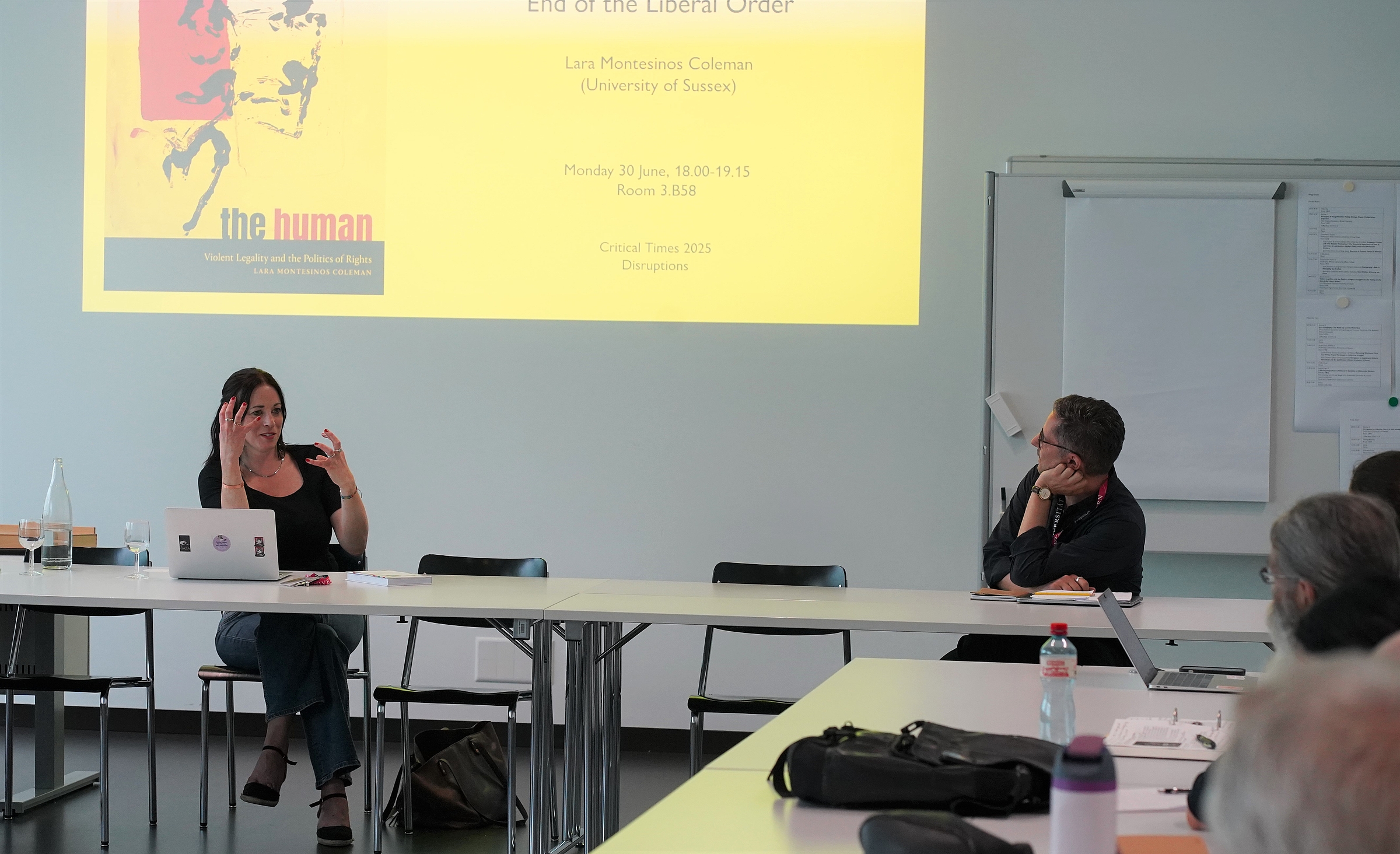


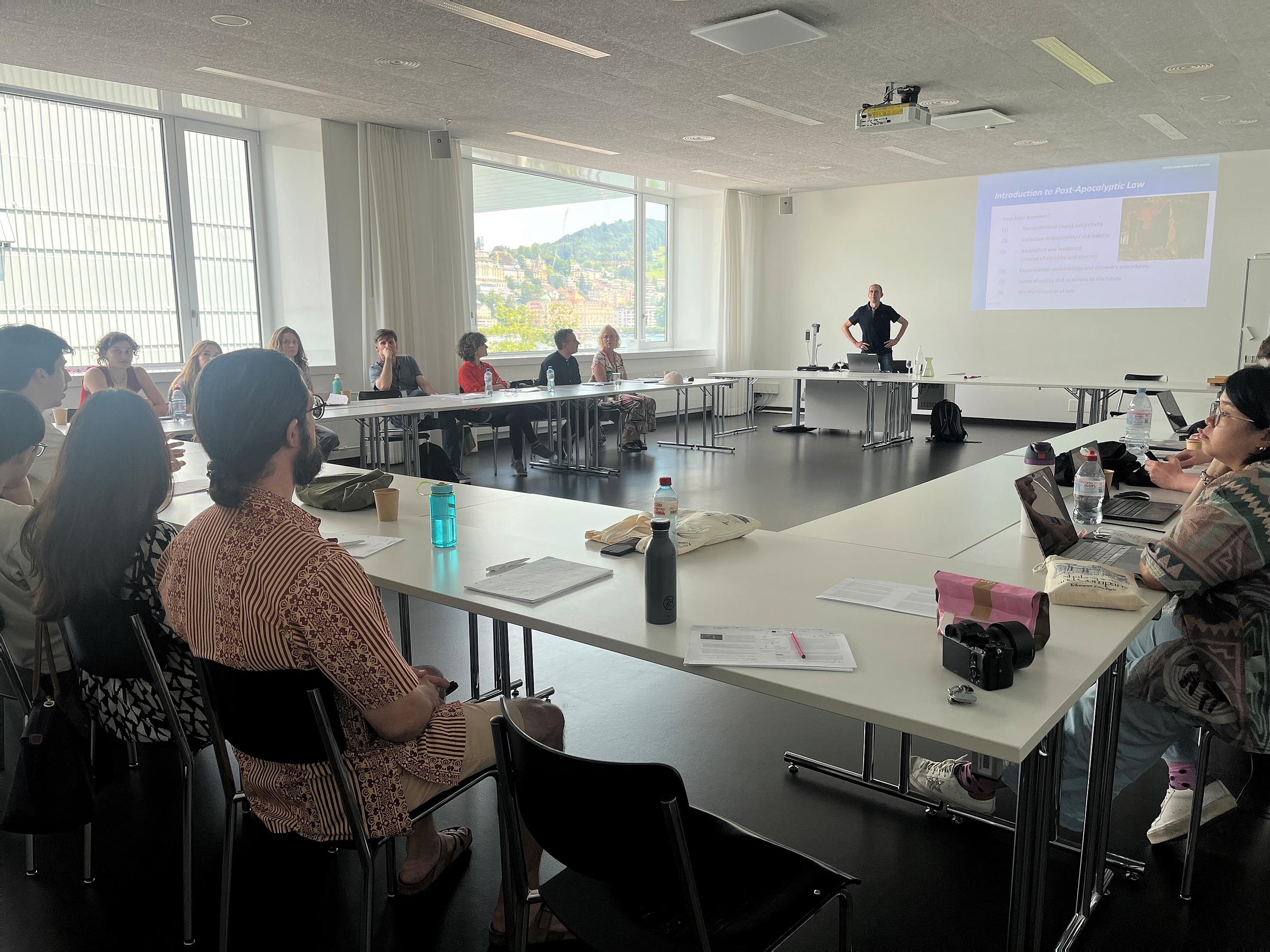


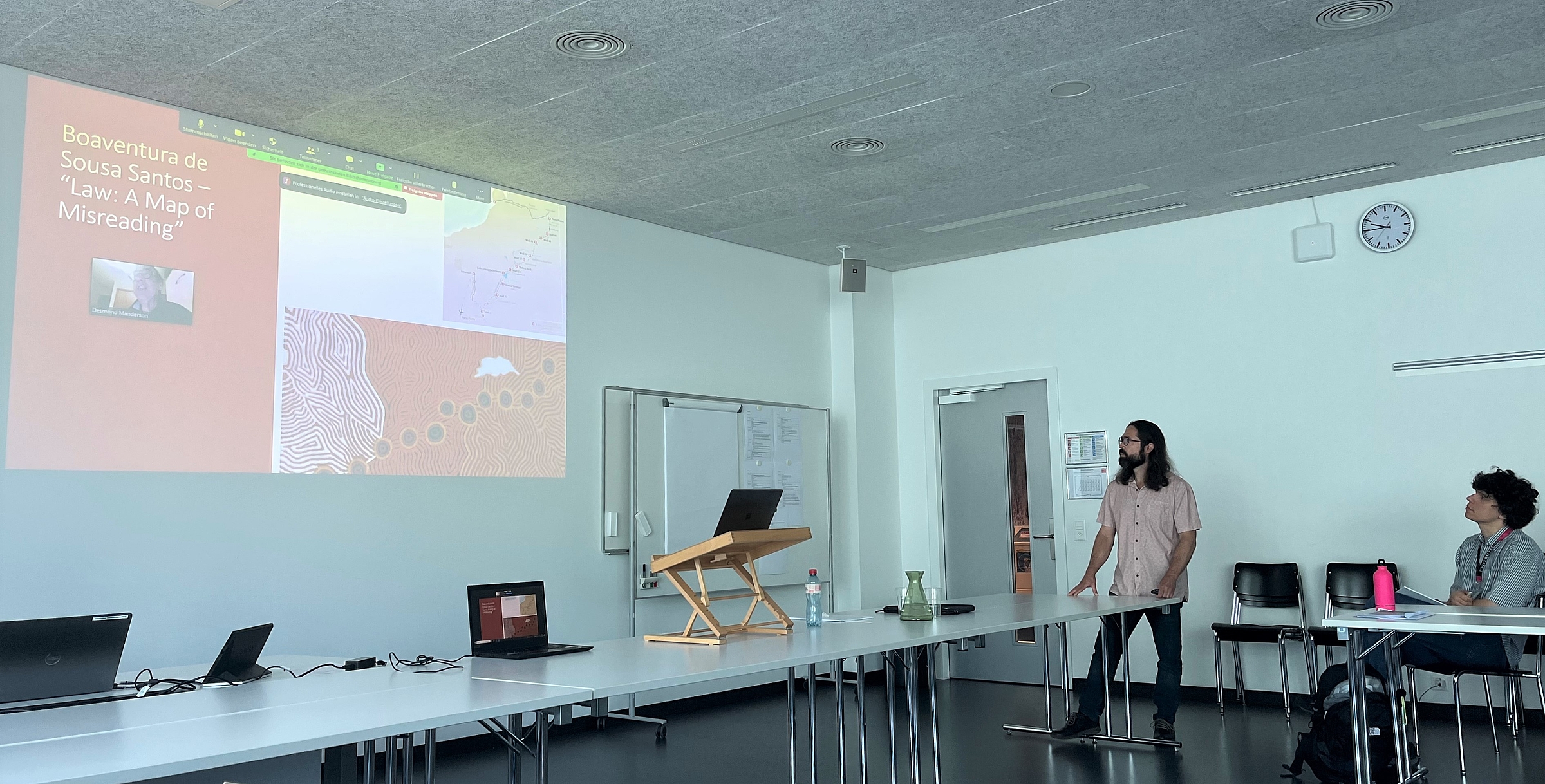

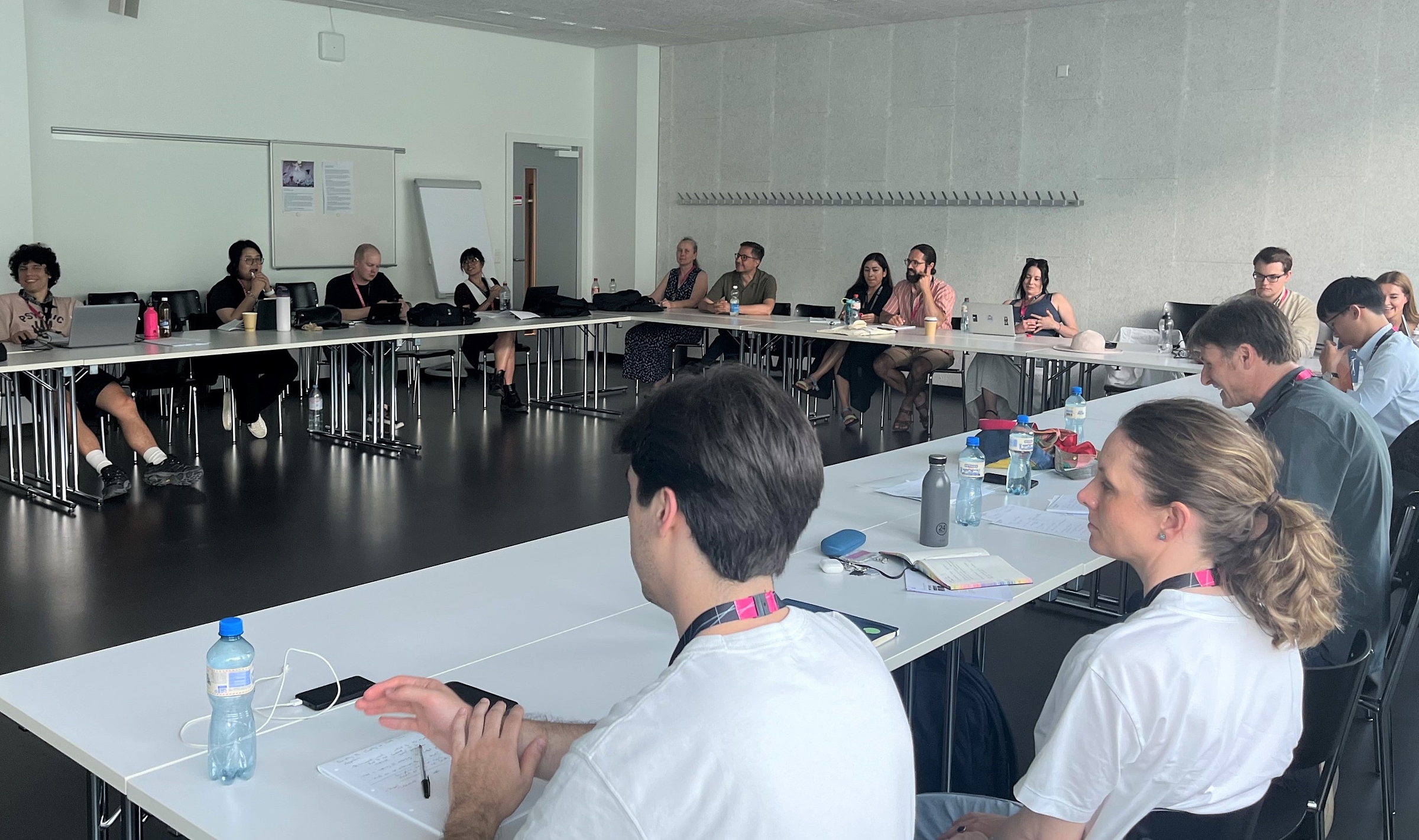
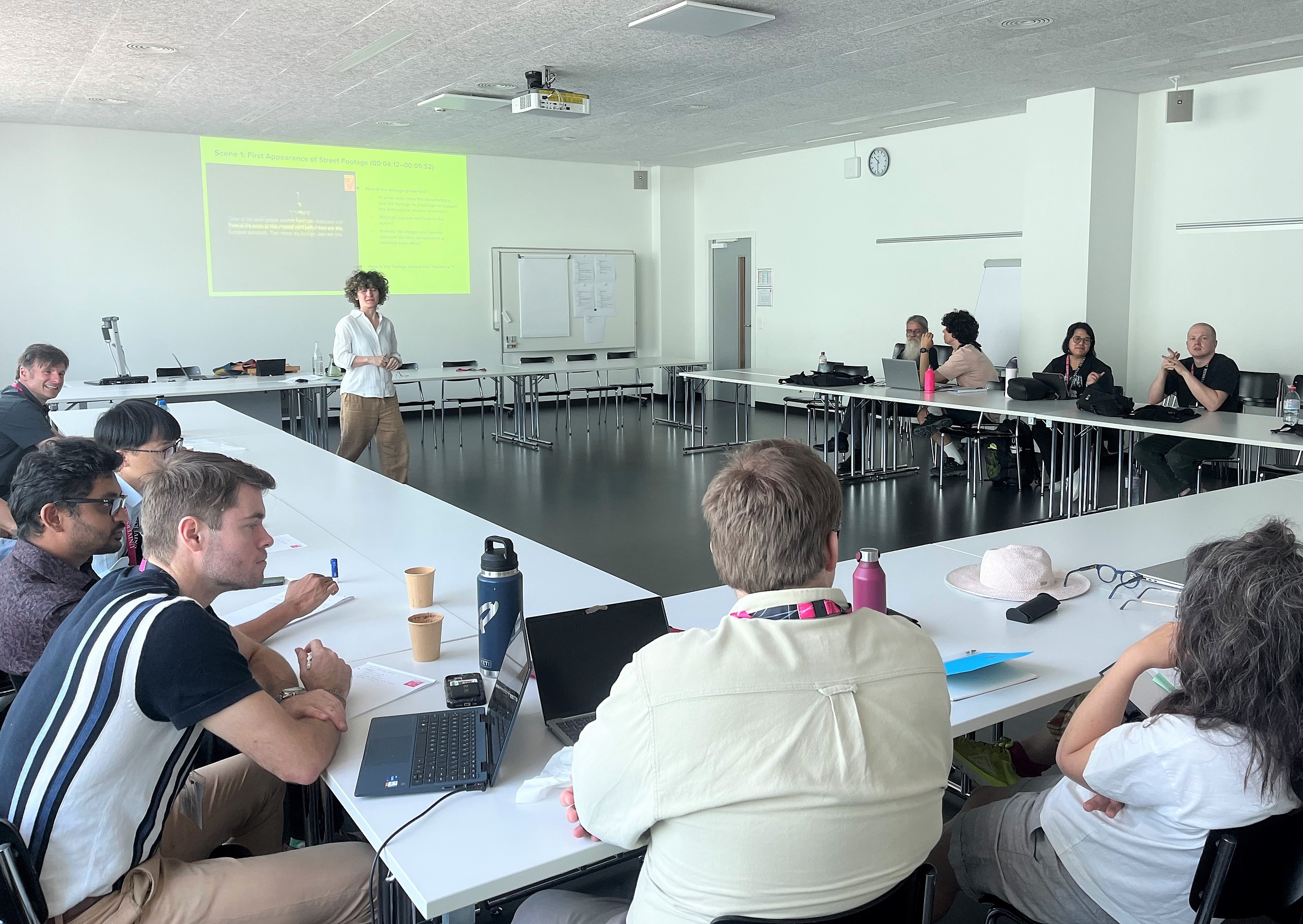
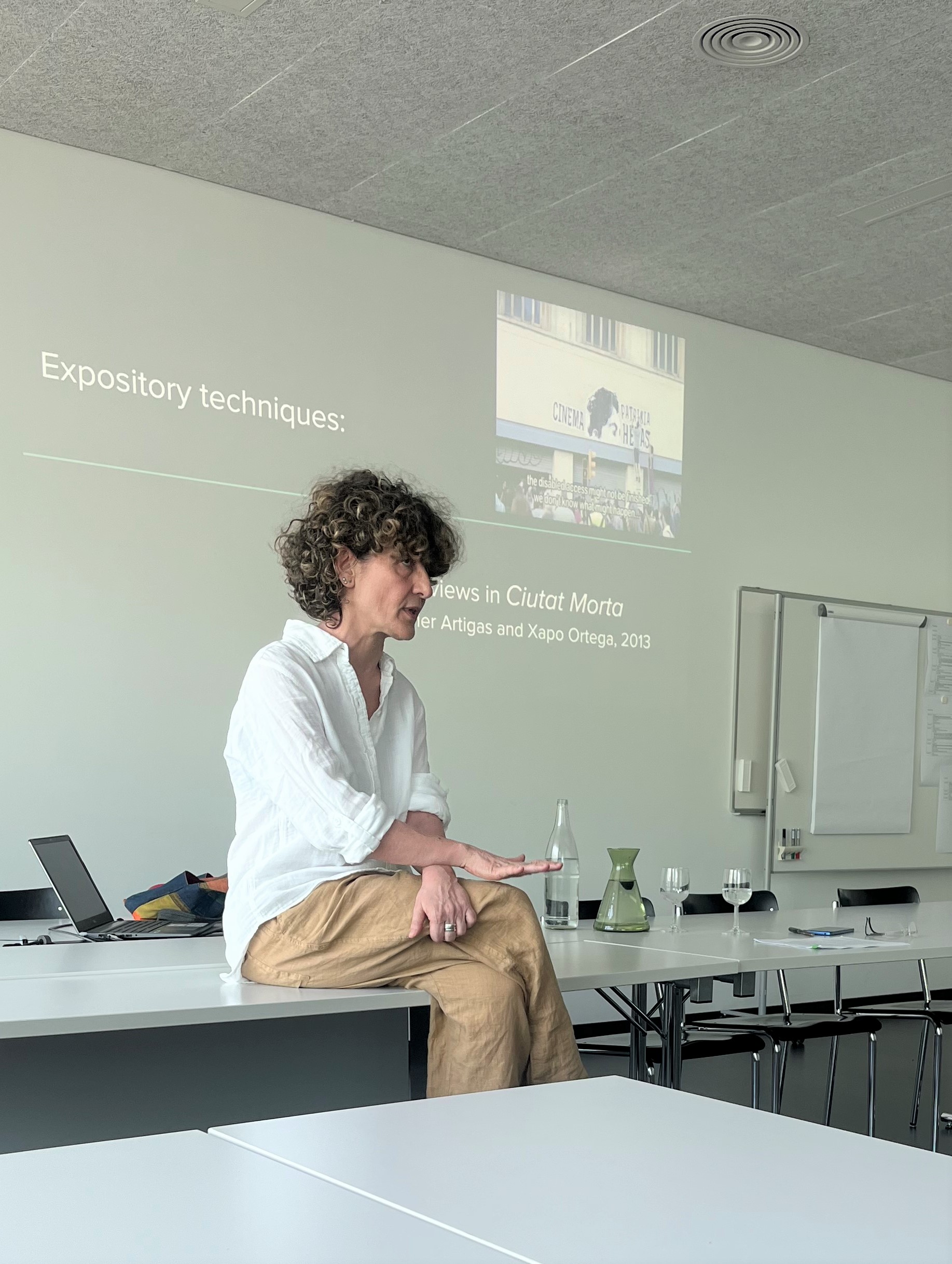

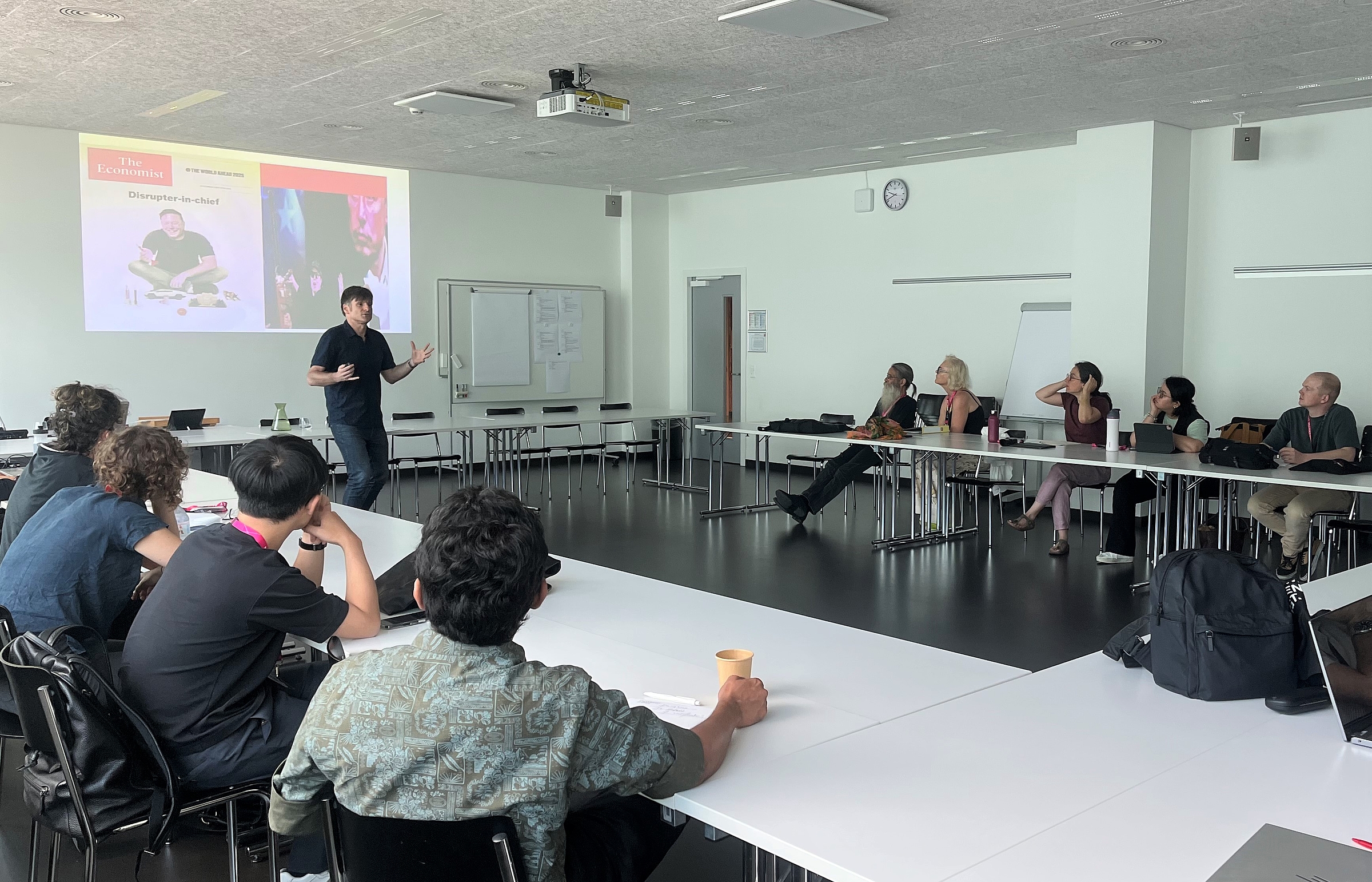
Testimonials
Below is a selection of feedback from participants in the 2025 Critical Times summer school Disruptions:
“The event was stupendous. The mix of issues presented under the topic of “Disruptions” was diverse and compelling. The composition of the student group was nothing less than inspiring.”
“An incredible week. I enjoyed enormously my time at the summer school, and leave with countless new ideas, thoughts, perspectives and friendships.”
“To anyone working around law and humanities studies, or wanting to take some first steps in this space, I highly recommend joining the Critical Times summer school in Lucerne if possible. The intellectual standards are outstanding, and the organisers and faculty make every effort to make sure everyone feels at home.”
“This was the first academic event I have attended, and the bar has been set very high for all conferences in the future! The ratio of host/faculty to student/researchers attending was very generous permitting a broader opportunity to interact with established academics as well as peers. The workload/curation was of the right intensity i.e. we covered a lot of ground, the days whizzed by and the last couple of sessions were geared toward valuable reflection.”
“The week was hugely valuable contributing both intrinsic and extrinsic motivation regarding my studies and PhD journey. I think the overall organisation of the event was superb. Thank you.”
“Yes, the daily sessions were long. But they were broken up by coffee, lunch, and ‘happy hour.’ Some of my favourite moments were during these recesses, when the conversation was less formal and programmatic. The two concluding rooftop cocktail hours were unforgettable in this regard.”
"With respect to the composition of the student group, I think it captured the meaning of the word ‘university’ i.e. from etymology online…Old French université, "universality; academic community." We were from all walks of life, from various corners of the globe, from different disciplines and interdisciplines – and in the end formed a lively and diverse academic community."


