Policy Brief: Strengthening Rehabilitation in Switzerland
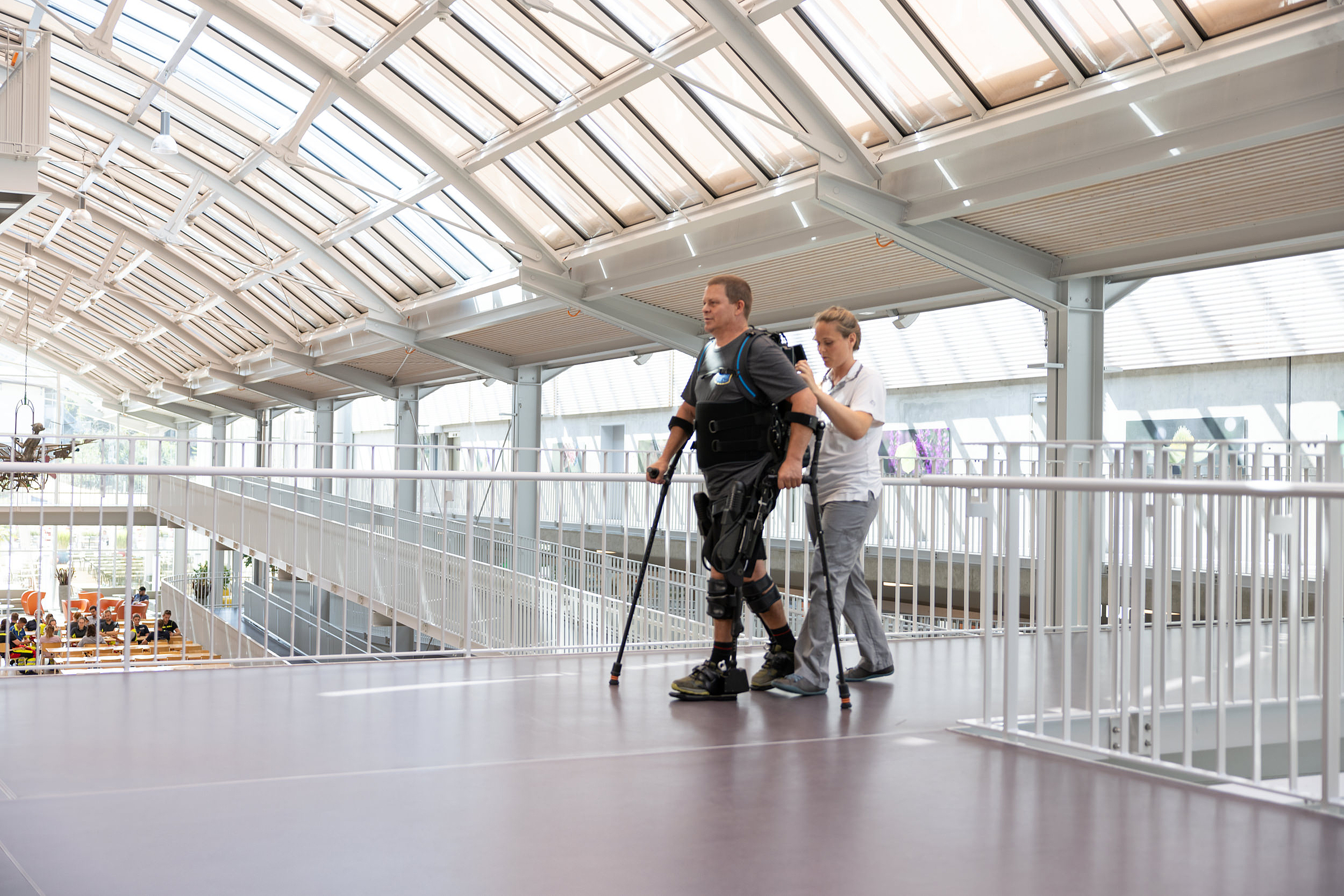
According to the World Health Organization (WHO), rehabilitation is an essential component of a high-performing health system. It helps people maintain or improve their functioning, independence, and participation in daily life.
Approximately 45% of the Swiss population, around 4 million people, could currently benefit from rehabilitation. Demand for rehabilitation is expected to increase further in the coming years due to population ageing, the growing burden of chronic health conditions, and the increasing number of years lived with disabilities.
According to the WHO, rehabilitation is a key investment in a sustainable health system. Well-coordinated rehabilitation services can help avoid unnecessary care, reduce the need for costly treatments, hospital admissions, and long-term care, and improve the efficiency of health systems. Rehabilitation can reduce care dependency, support return to work, and lower healthcare costs over the long term.
Despite its considerable potential, rehabilitation remains underutilised. It is not systematically addressed in national strategies such as Health2030 or the National Strategy for the Prevention of Noncommunicable Diseases (NCD Strategy) and has not yet been given sufficient priority within Swiss health policy.
Like all Member States, Switzerland adopted the WHO Resolution on Strengthening Rehabilitation in Health Systems in May 2023. Against this background, this Policy Brief provides evidence-informed considerations on how this commitment can be systematically implemented and how rehabilitation can be strengthened across Switzerland.
Against the backdrop of the WHO Resolution on Strengthening Rehabilitation in Health Systems (2023), also adopted by Switzerland, this project was initiated to develop policy considerations for strengthening rehabilitation in Switzerland.
Rehabilitation in Switzerland is currently shaped by the following key challenges:
- Rehabilitation has limited visibility and remains a low priority within Swiss health policy.
- Fragmented structures result from federal governance arrangements, differing funding models, and unequal access to rehabilitation.
- Workforce shortages, a lack of community-based services, and insufficiently coordinated care pathways create capacity constraints.
To address these challenges in the policy considerations, current scientific evidence, the findings of a national stakeholder survey, and the perspectives of rehabilitation experts were brought together. This process resulted in a Policy Brief containing 22 evidence-informed policy considerations addressing five key thematic areas. The Policy Brief is intended primarily for policymakers at the national and cantonal levels and is designed to support the implementation of the WHO Resolution on Strengthening Rehabilitation in Health Systems in Switzerland.
This factsheet summarises the key findings of the Policy Brief in a concise and accessible format. It provides clear guidance on the growing challenges facing rehabilitation, as well as the priority areas for strengthening rehabilitation in Switzerland.
It is intended primarily for policymakers and supports a rapid, evidence-informed understanding of the topic.
Policy Considerations
The project findings were synthesised into 22 policy considerations (PCs). These considerations address five key thematic areas for strengthening rehabilitation in Switzerland.
Explore all policy considerations and related best practice examples
PC1: Establish a National Swiss Rehabilitation Alliance to bring together key stakeholders, raise awareness of rehabilitation, and position rehabilitation as a core health service within national health priorities.
PC2: Establish a national coordination unit for rehabilitation to serve as a central source of information, coordinate activities, support strategy development, and facilitate the implementation of rehabilitation-related measures at the national level.
PC3: Review tariff systems and insurance regulations to ensure fair, accessible, and sustainable financing of rehabilitation services and to reduce financial barriers for health care users.
PC4: Promote the recognition of rehabilitation as a cost-effective investment that generates health, social, and economic benefits while reducing long-term healthcare costs.
PC5: Align investments in rehabilitation with regional and cantonal needs assessments, demographic trends, and projected future demand.
PC6: Ensure the availability of rehabilitation services across all levels of care, with particular emphasis on primary care and community-based services.
PC7: Ensure equitable access to affordable, high-quality rehabilitation services across all regions and population groups.
PC8: Promote integrated and coordinated rehabilitation across the continuum of care, including effective transitions between inpatient, outpatient, and community-based services.
PC9: Strengthen quality assurance and quality improvement mechanisms to ensure high-quality, person-centred rehabilitation services.
PC10: Integrate rehabilitation into basic, specialised and continuing education programmes for all health professions and strengthen interprofessional competencies.
PC11: Address workforce shortages through needs-based workforce planning, monitoring, and targeted measures to attract and retain rehabilitation professionals.
PC12: Improve working conditions, career opportunities, and flexible working models to retain qualified rehabilitation professionals within the health system.
PC13: Strengthen health information systems to systematically collect, analyse, and use rehabilitation-related data, including functioning information.
PC14: Promote the recognition of functioning as a third core health indicator, alongside morbidity and mortality.
PC15: Advance digital infrastructure and interoperability, including the use of secure and standardised electronic health information systems.
PC16: Expand high-quality rehabilitation research at system, service and clinical levels to strengthen the evidence base on effectiveness and cost-effectiveness.
PC17: Establish rehabilitation science as an academic discipline through the expansion of professorships and research capacity.
PC18: Improve the translation of research into health services and policy through national guidelines, expert advisory groups, and structured knowledge translation strategies.
PC19: Promote national collaboration and establish rehabilitation research networks to enhance cooperation among academia, healthcare providers, cantons, insurers, and other stakeholders.
PC20: Integrate rehabilitation into emergency response plans and preparedness strategies to ensure continuity of rehabilitation services during and after crises.
PC21: Expand efforts to ensure equitable access to assistive devices and technologies, and environmental modifications based on individual needs and regardless of financial or administrative barriers.
PC22: Strengthen information, guidance, and training on assistive products and assistive technology for health professionals, users, and caregivers.
Project Organisation

Dr. sc. Roxanne Maritz
Coordinator Center for Rehabilitation in Global Health Systems
The project was conducted by the Center for Rehabilitation in Global Health Systems (CRGHS) at the University of Lucerne, with the involvement of CRGHS members and its Advisory Board, and in collaboration with the Advisory Board of the Lucerne Initiative for Functioning, Health and Well-being (LIFE) Rehabilitation.
The project brought together an interdisciplinary team of experts in health sciences, rehabilitation, medicine, and health and social policy.
Contact
Dr. sc. Roxanne Maritz
Center for Rehabilitation in Global Health Systems,
Faculty of Health Sciences and Medicine,
University of Lucerne
roxanne.maritz@unilu.ch
crghs@unilu.ch


