Knowledge, Epistemic Marginalization, and the Politics of Resentment

In many countries, political differences between cities and rural areas are becoming more visible. People in large cities tend to support progressive parties and have high trust in experts and public institutions. In rural areas, people are often more skeptical of expert advice and more supportive of conservative positions. These contrasts appear in elections, in debates about climate and Covid policies, and in attitudes toward European integration and political institutions.
A central reason behind this divide is the feeling of being treated unfairly. Many people believe that their region is overlooked or misunderstood. Researchers call this place-based resentment. In rural areas, this often includes the sense that decisions made in distant cities do not reflect everyday life and that practical, experience-based knowledge is not taken seriously.
A key puzzle is why such feelings also arise in wealthy countries like Switzerland, where rural regions are not economically disadvantaged and even enjoy strong political representation. This suggests that traditional explanations such as economic inequality are not sufficient.
Our project proposes that conflicts about knowledge play a crucial but overlooked role. Many people feel excluded by expert language, complex regulations, or academic ways of thinking. Others feel that their own knowledge, rooted in practical work or closeness to nature, is dismissed. This “knowledge dimension” of resentment has rarely been examined, even though it may be central to understanding current political tensions.
To investigate this, we conduct a mixed-methods study. In focus groups and interviews in Switzerland and Eastern Germany, we explore how people talk about expertise, common sense, and everyday experience. Based on these insights, we develop new survey questions that capture feelings of being ignored or dismissed in terms of knowledge. We then test these questions in large surveys in Switzerland and Germany to assess how widespread these perceptions are and how they relate to trust, voting, and attitudes toward climate, health, and other policies.
By comparing the Swiss context, a prosperous knowledge society with stable rural populations, with Eastern Germany, a region shaped by economic restructuring, underrepresentation in national elites, and demographic decline, we can identify whether knowledge-related resentment emerges mainly in thriving knowledge economies or also in structurally disadvantaged areas.
This perspective adds a new dimension to the study of urban–rural divides. It shows that resentment can stem not only from economic or cultural differences, but also from the feeling that one’s knowledge is not respected. These insights can support clearer public communication and better policy design. In areas such as climate change, health, or agriculture, policies are more effective and more trusted when they take local knowledge seriously and respond to how different groups understand the world.
Co-Project Lead

Prof. Dr. Joachim Blatter
Professor of Political Science and Political Theory
University of Lucerne
E-Mail: joachim.blatter@unilu.ch
Co-Project Lead

Prof. Dr. Lukas Haffert
Professor of Comparative Politics
University of Bremen
E-Mail: haffert@uni-bremen.de
Research Assistant

Dr. phil. Maurits Heumann
SNSF Postdoctoral Researcher (Prof. Dr. Joachim Blatter)
University of Lucerne
E-Mail: maurits.heumann@unilu.ch
Student Assistant

Désirée Beck, BA
Student Assistant (Prof. Dr. Joachim Blatter)
University of Lucerne
E-Mail: desiree.beck@unilu.ch
Student Assistant

Alina Sara Tönnesen
Student Assistant (Prof. Dr. Joachim Blatter)
University of Lucerne
E-Mail: alina.toennesen@unilu.ch
Studen Assistant
Norina Brakensiek-Risken
Student Assistant (Prof. Dr. Lukas Haffert)
E-Mail: nobr1@uni-bremen.de
Administrative Assistant
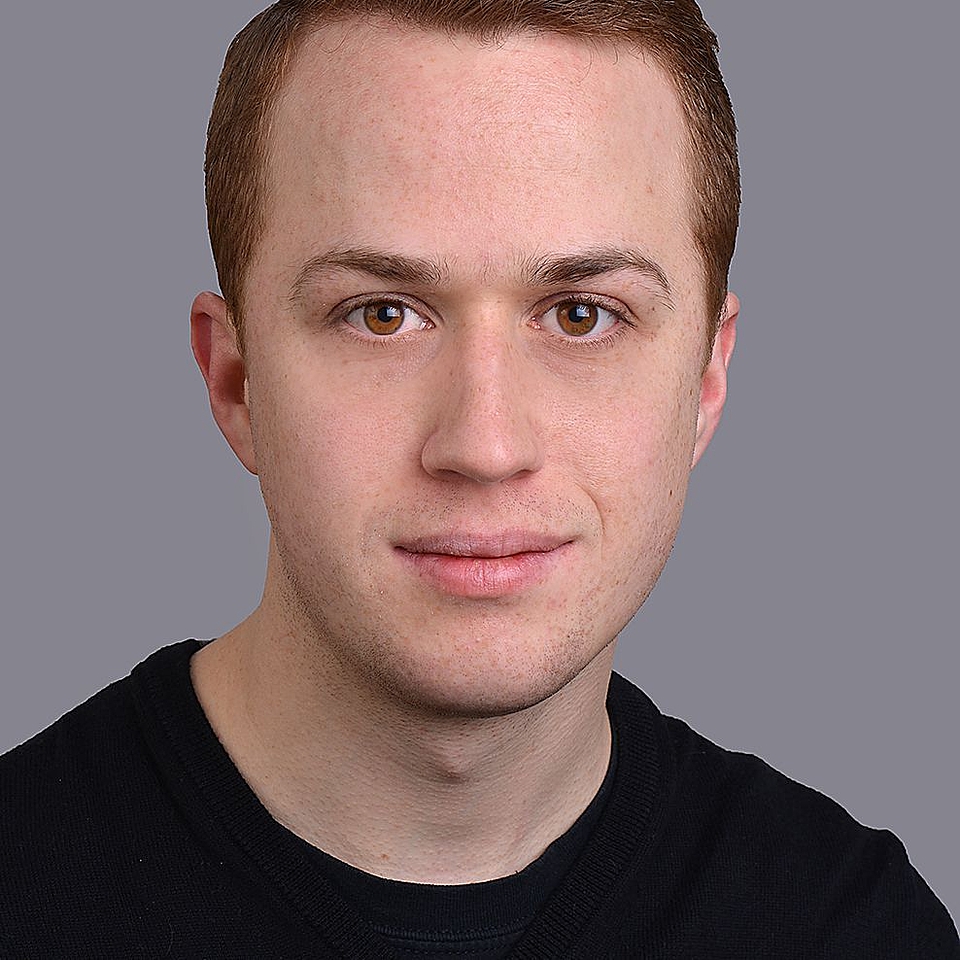
Michael Widmer, MA
Administrative Assistant
University of Lucerne
E-Mail: michael.widmer@unilu.ch
Will be continuously updated.
The research project is supported by the Swiss National Science Foundation (SNSF) with CHF 1'169'372 for the duration of the project, from January 2026 to December 2029. (Project Number: 10006810).
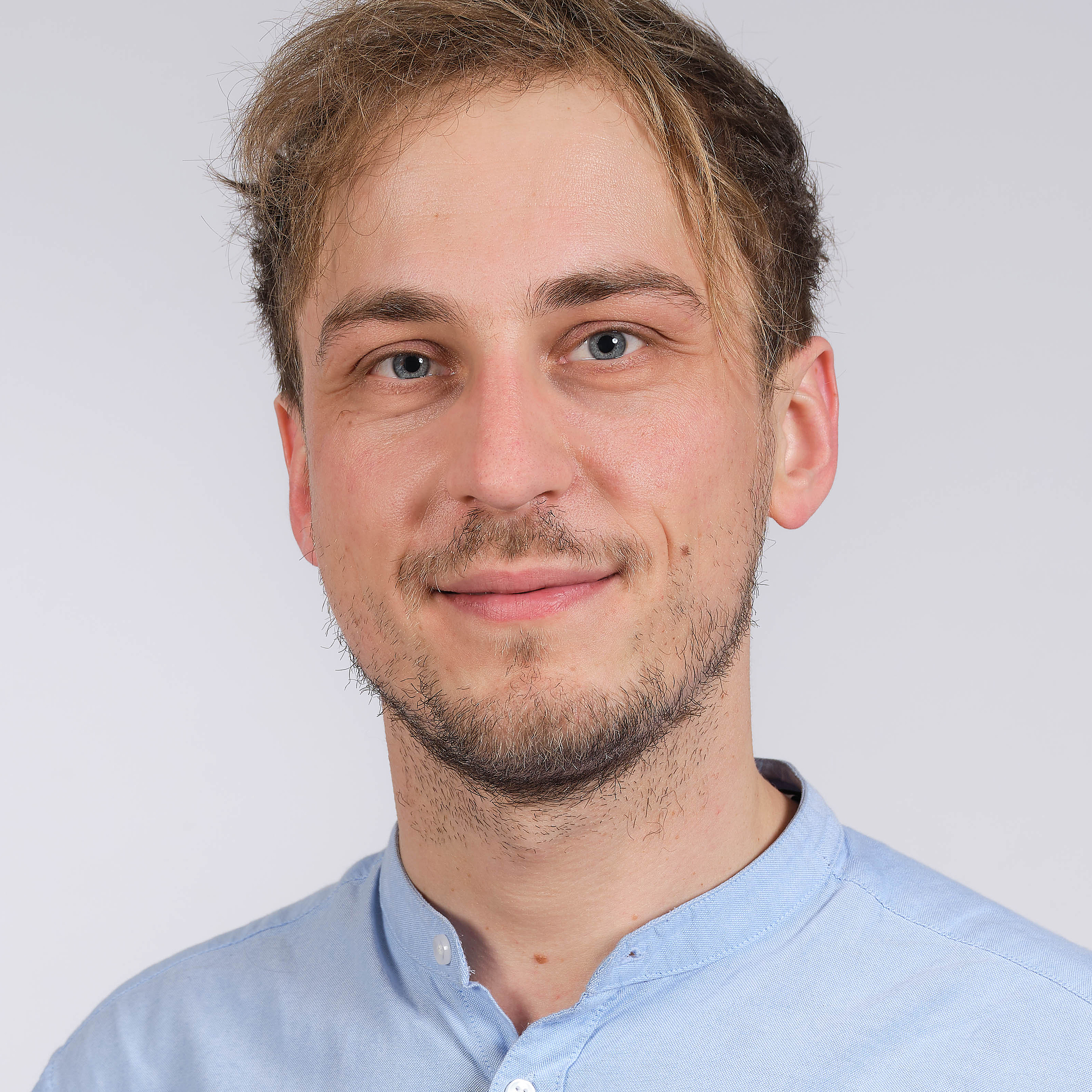
In case you have any questions concerning the research project, please contact Dr. Maurits Heumann: maurits.heumann@unilu.ch


