
Grandparents and childhood cancer
Grandparents play a vital but often overlooked role when a child is diagnosed with cancer. Findings from the GROKids Project show that supporting them with reliable information and emotional care benefits the entire family.
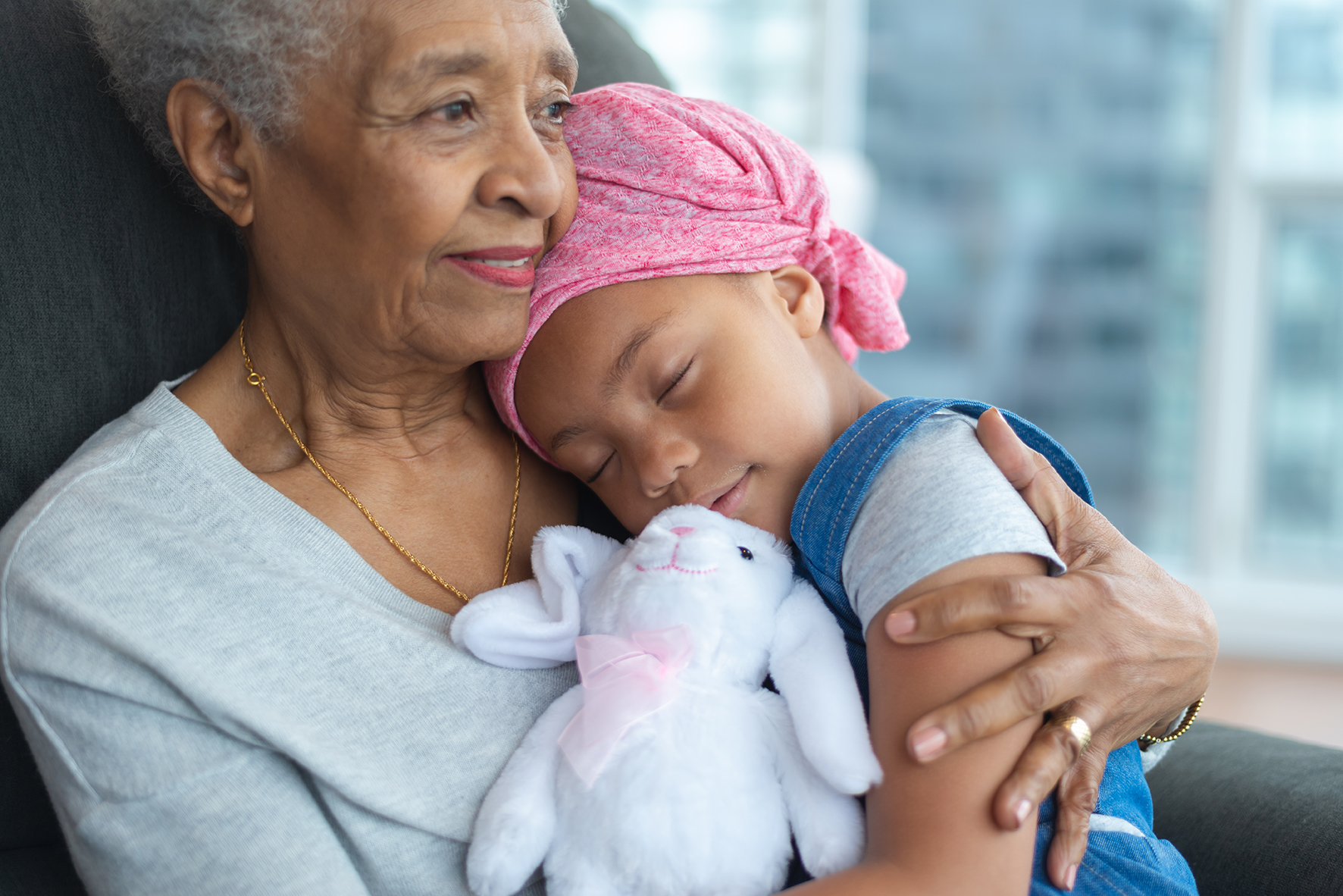
Funded by the Swiss National Science Foundation, the GROKids project, led by University of Lucerne Professors Gisela Michel and Katrin Scheinemann, is the first to comprehensively examine the psychosocial impact of childhood cancer on grandparents.
Through surveys and interviews conducted between 2020 and 2024, the project followed grandparents of children undergoing treatment and survivors, offering new insights into their experiences and needs.
“We were motivated to carry out the study because we so often see grandparents at the hospital with their grandchild who has cancer, yet we know surprisingly little about their role, their experiences, or what they need,” Michel explains. “We wanted to learn more about what grandparents are going through, and the kinds of support they might need when suddenly faced with such a distressing situation.”
A source of support
The findings, published in EJC: Paediatric Oncology and in Psycho-Oncology, show that grandparents are an important source of emotional and logistical support for their families, yet they also experience significant distress themselves – especially around the time of diagnosis. While many grandparents initially experience considerable worry and even post-traumatic stress symptoms, most adapt well over time, with psychological well-being improving as their grandchild recovers. This resilience not only helps grandparents cope personally but also strengthens their ability to support the family.
At the same time, grandparents clearly express a need for support during the child’s illness. Many emphasize the value of clear and accessible information, which can reduce anxiety and foster resilience. The researchers note that while most grandparents report good psychological health, those who perceive their own health as poorer experience higher levels of distress and may benefit from targeted support groups and tailored informational material.
Looking at the study results, Michel concludes: “All in all, I was surprised but happy to see that most grandparents are quite resilient and able to cope well with the situation. We also noticed that we could make a significant difference simply by providing grandparents with more information. It wouldn’t take much to offer meaningful support.”
Future analyses of the GROKids data will look more closely at the indirect socioeconomic costs of childhood cancer and examine how stress is shared within families. By focusing on grandparents, the GROKids Project highlights how supporting the entire family system can make a real difference during a child’s cancer journey.


