For Corinne Decurtins and Fabio Eiselin, being ill is part of the job. As simulated patients, they take on the roles of patients and help assess the clinical skills of medical students.
 Enlarge image
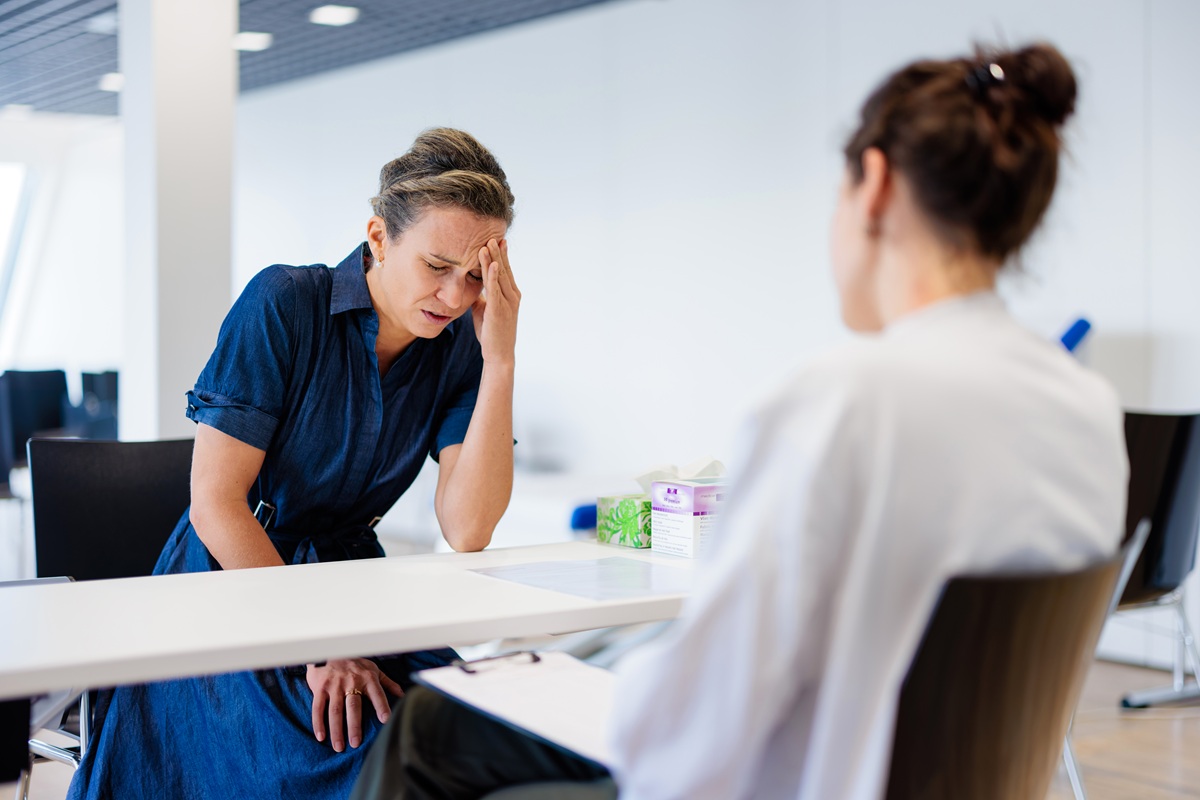
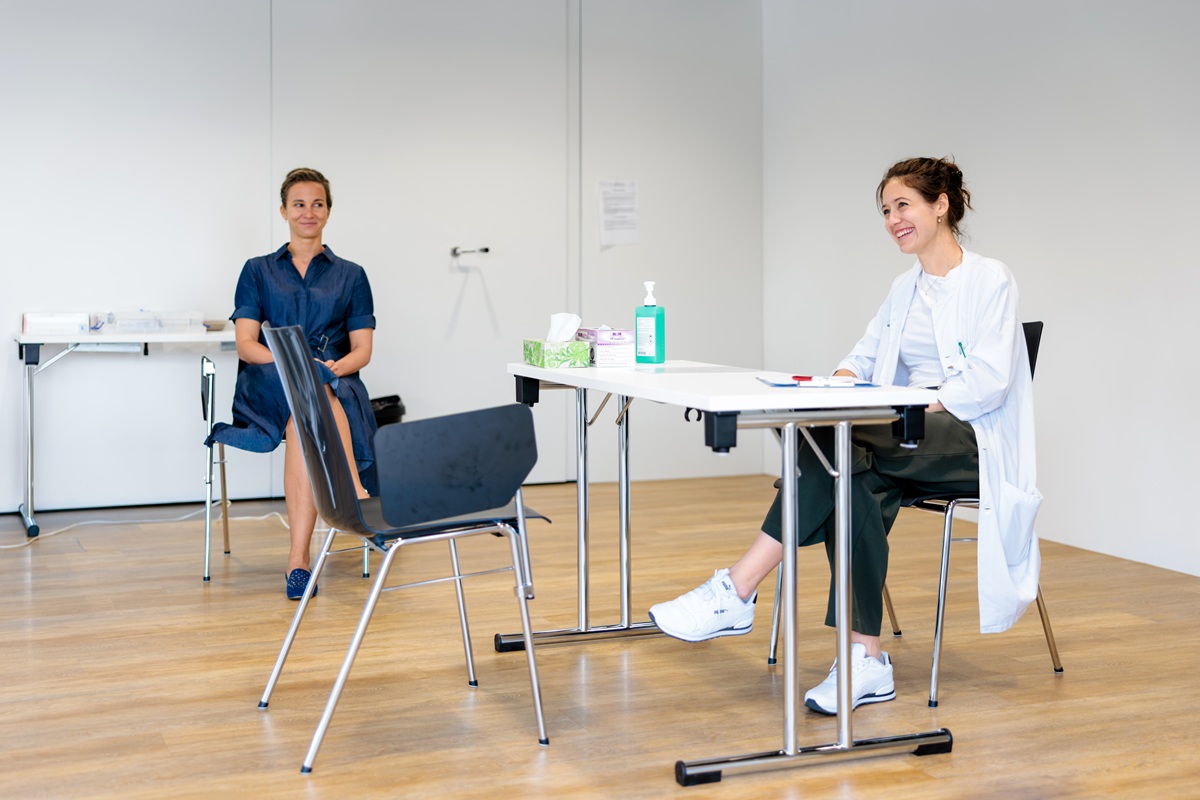
She is the fifth doctor to enter the room where Anna Garçia has been waiting for more than two hours. “My name is Jakober. I’m standing in for Dr Müller. What brings you here today?” Grimacing with pain, Ms Garçia sits opposite the doctor and describes the headaches that have been troubling her for weeks. She is worried that they might be a sign of something serious.
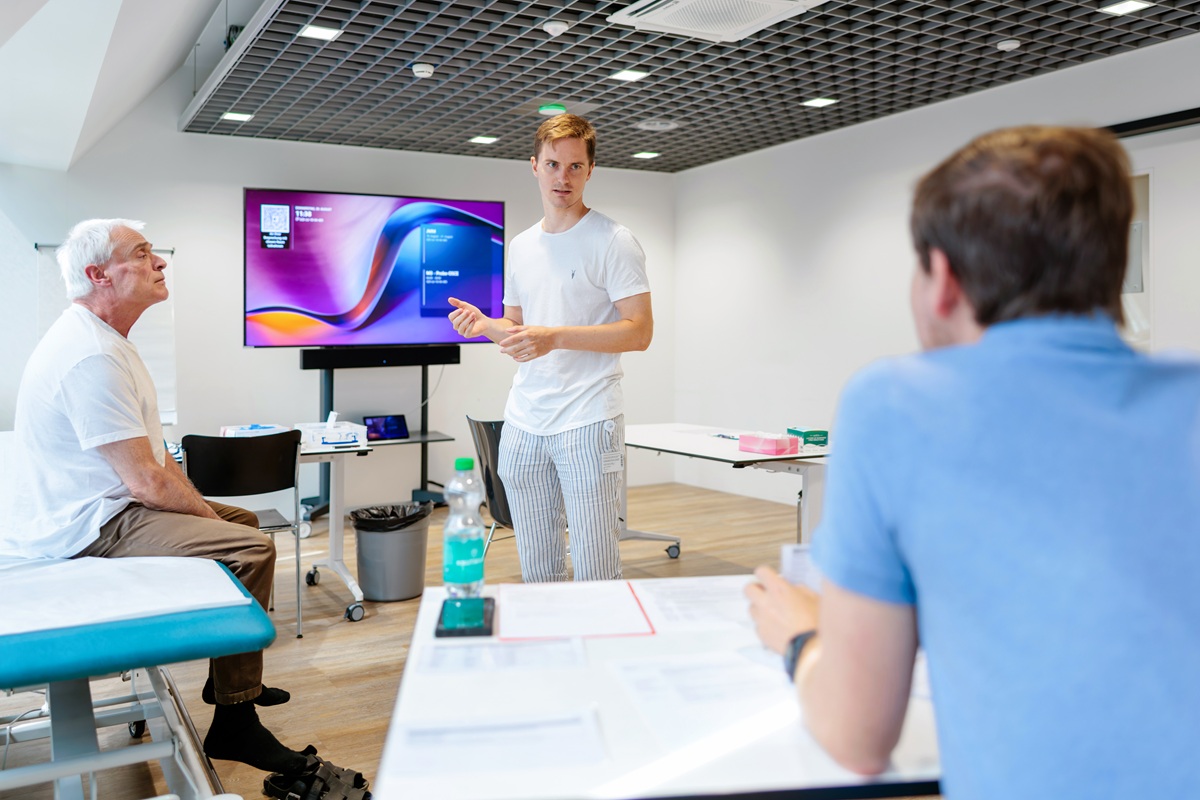
A desperate patient’s odyssey through the hospital? Not quite. We are at the mock OSCE organised by the Faculty of Health Sciences and Medicine. OSCE stands for Objective Structured Clinical Examination. In this examination format, medical students rotate through a series of standardised stations where their clinical and practical skills are assessed. Instead of real patients, they encounter simulated patients (SPs).
A meaningful role
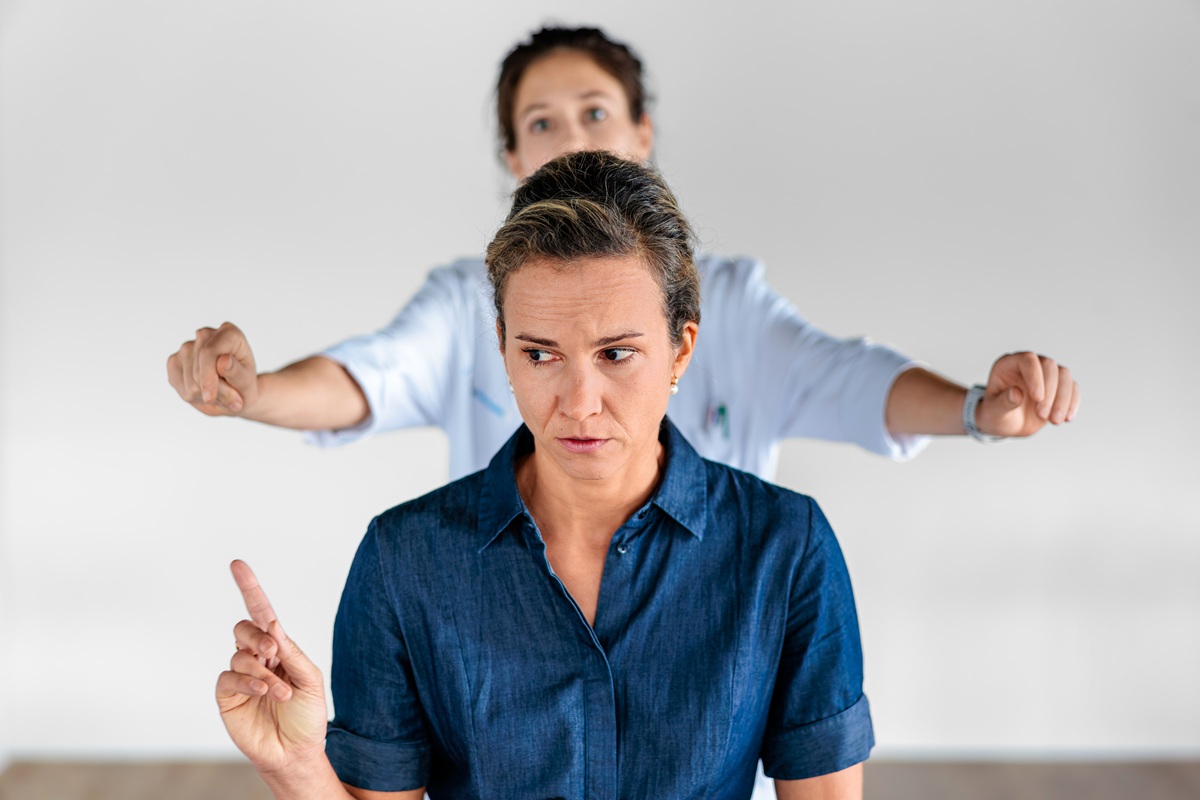
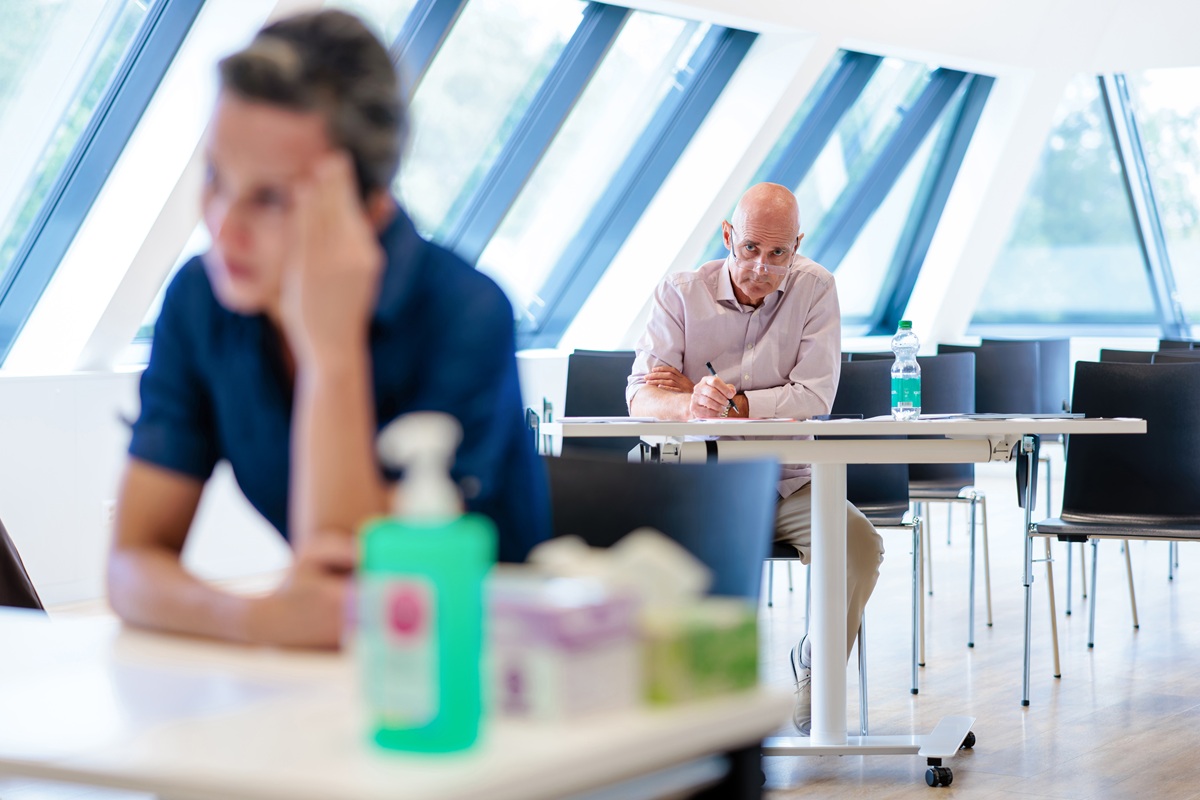
On this Thursday, around 40 students have gathered in Building 10 at Lucerne Cantonal Hospital to practise once more under realistic conditions ahead of the practical federal examination. Behind the doors of the six examination rooms, a variety of cases await them, none of which the students know in advance. Ms Garçia, whose real name is Corinne Decurtins, is sitting on a couch, following the instructions of student Noëmi Jakober. “Now, please push my palms upwards with all your strength.”
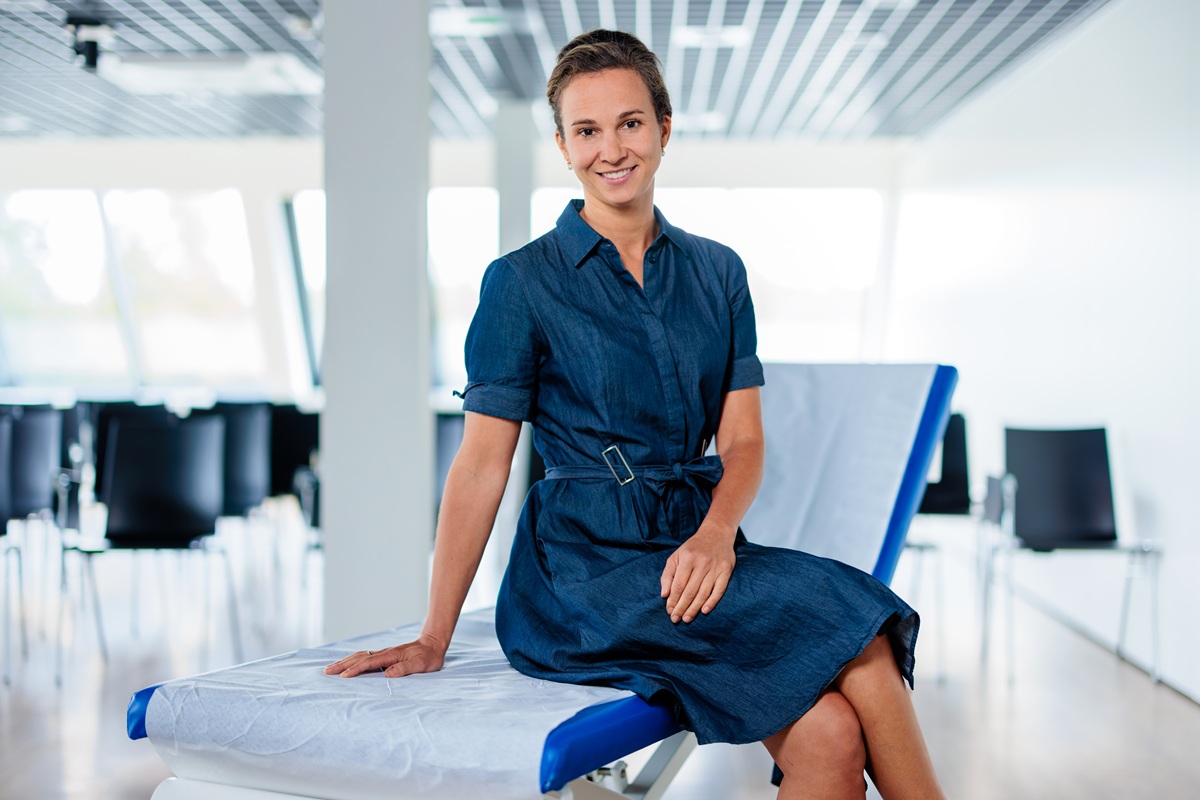
Corinne has been taking on a wide variety of patient roles for the past four years. A trained actress, she also works as a singer, musical theatre performer and presenter. She decided to become a simulated patient for the same reasons that guide her choice of any job: “As a self-employed person, I always choose my work based on three criteria: meaningfulness, enjoyment and the opportunity to learn.”
Between preparation and flexibility
A lot happens before Corinne finds herself in the examination room. After submitting an application and attending an initial interview, she was accepted into the pool of simulated patients. For each examination, suitable SPs are selected on the basis of the case descriptions. They then receive a detailed script outlining their role and attend one or two training sessions. During these sessions, they learn how the symptoms should look and sound, and which answers are relevant to the patient's medical history.
Even though it’s the same thing all over again, you’re always dealing with a new person.
Where exactly does it hurt? What does the pain feel like? How strongly should I react? And what should I wear for the physical examination? Corinne deliberately asks lots of questions. She believes that she can only portray the role convincingly if she has a clear understanding of it herself. Even so, the actual examination can never be fully rehearsed. And that is precisely what she enjoys about the job: “Despite repeating the same scenarios, you always interact with a different person.”
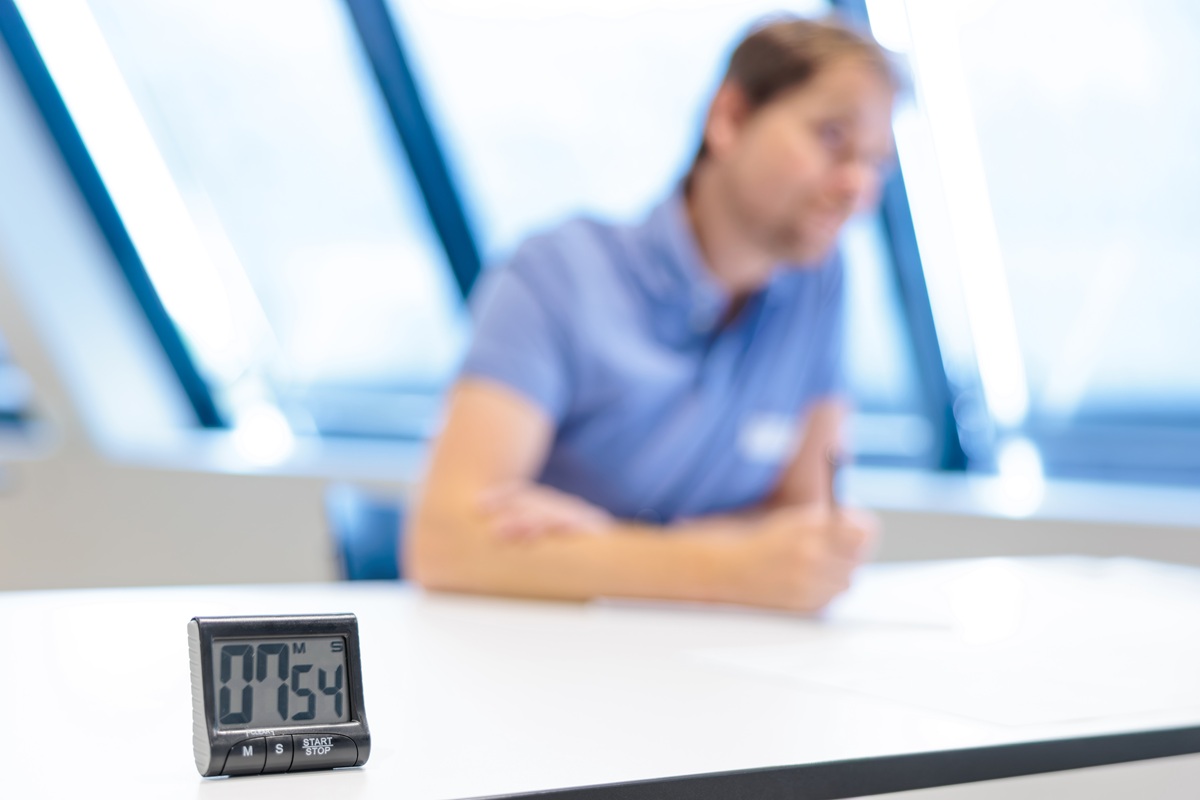
After asking numerous questions and conducting a physical examination, the student is able to give Ms Garçia an initial assessment: all the symptoms point to a migraine. No sooner has the conversation ended than the stopwatch signals the end of the station. There are four minutes until the next round. For Corinne, that means starting all over again.
 Enlarge image
 Enlarge image
 Enlarge image
 Enlarge image
 Enlarge image
 Enlarge image
 Enlarge image
 Enlarge image
 Enlarge image
 Enlarge image
 Enlarge image
 Enlarge image
 Enlarge image
 Enlarge image
 Enlarge image
 Enlarge image
 Enlarge image
No room for awkwardness
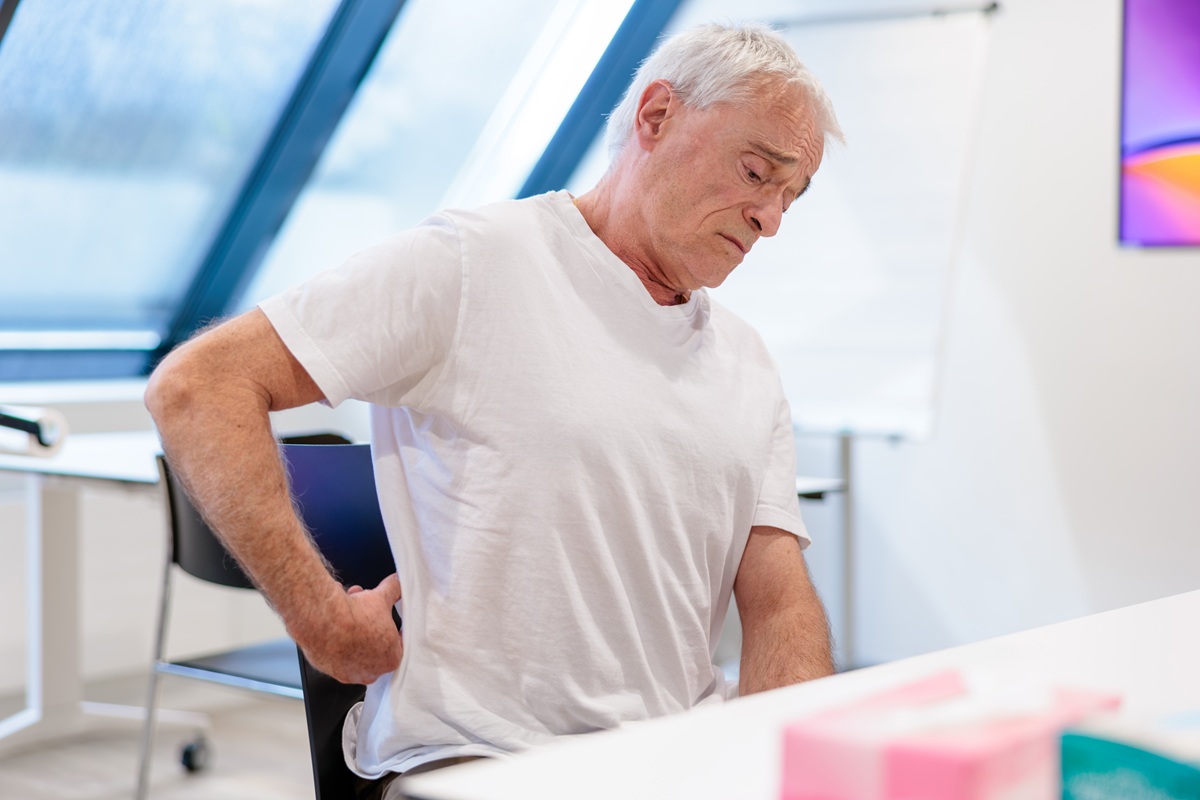
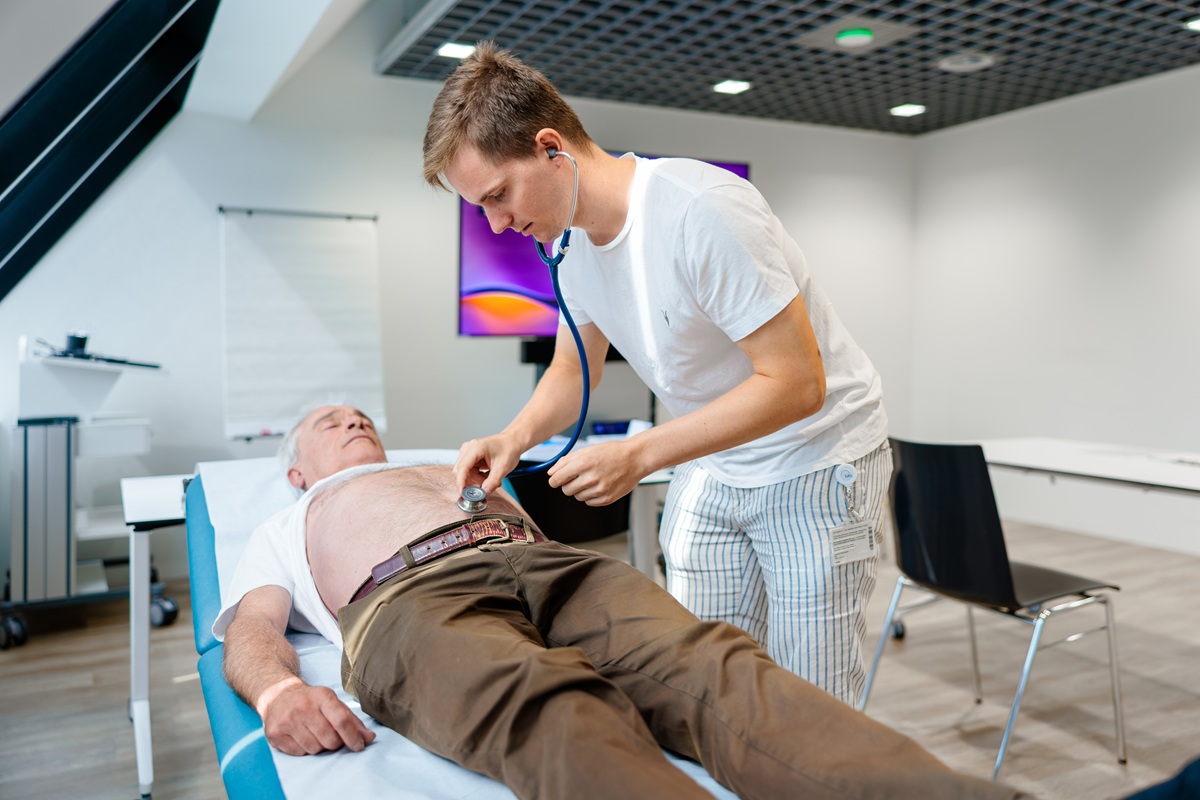
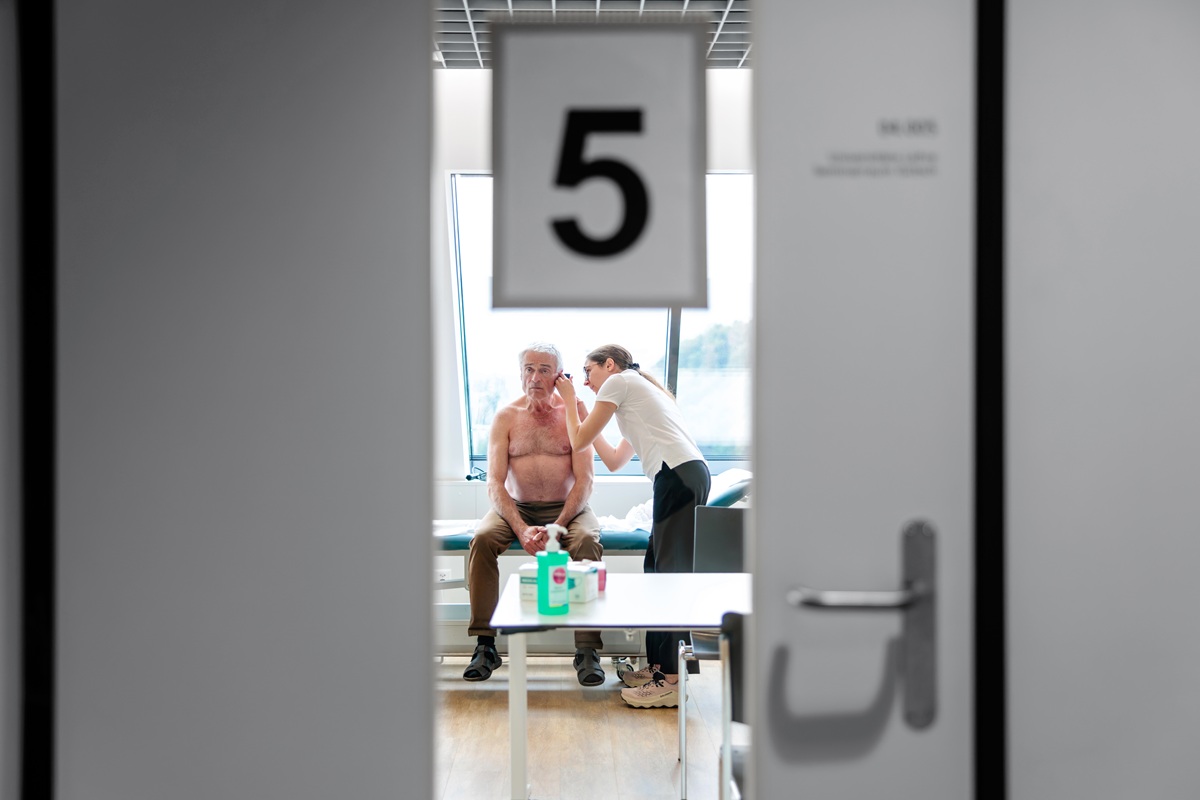
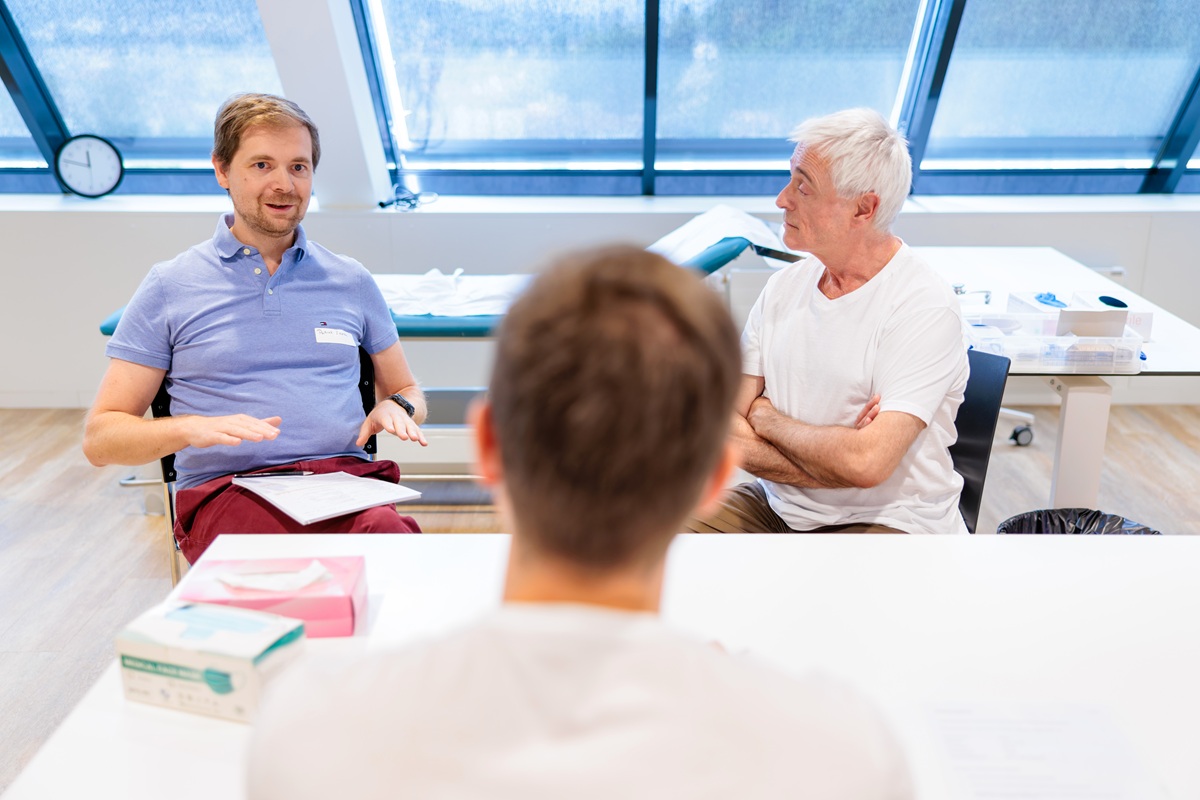
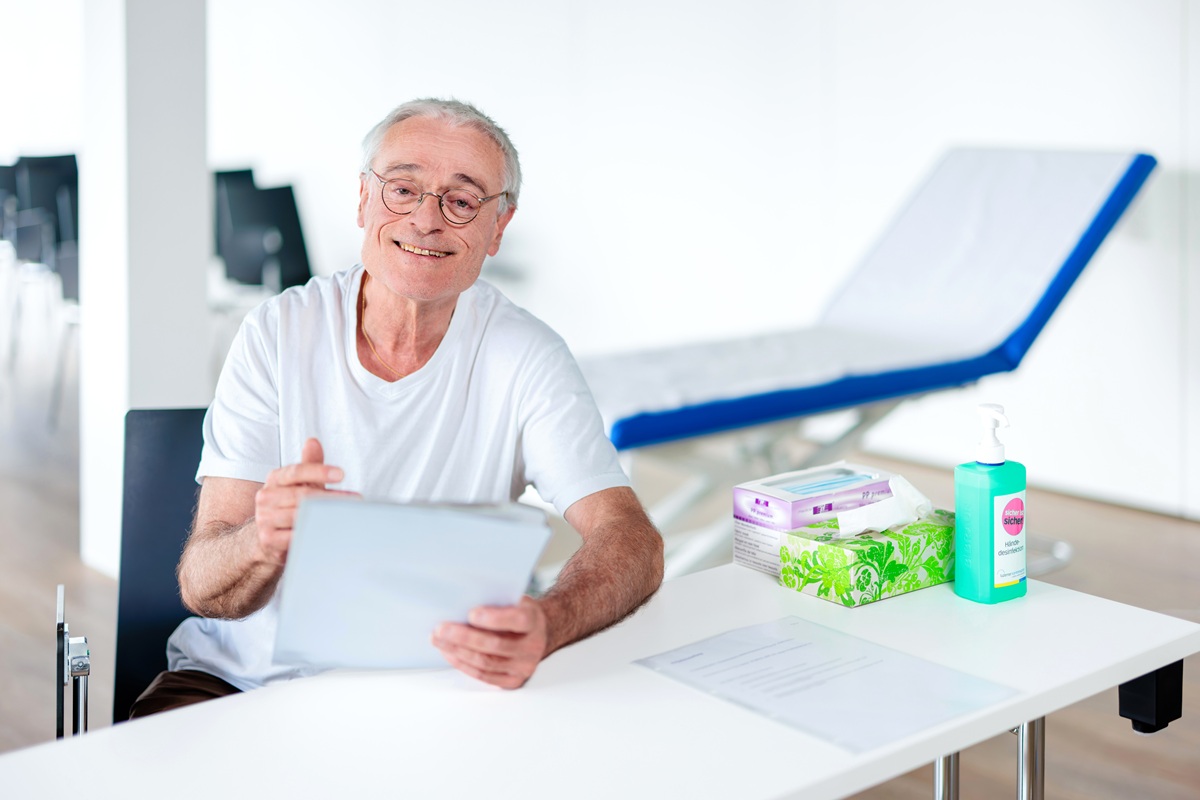
A few doors down, Fabio Eiselin is waiting for his next student. Eighteen years ago, a fellow actor introduced him to the role of simulated patient. An actor, theatre educator and former secondary school teacher, he is now playing a pensioner suffering from back pain. Calmly and precisely, he answers the questions posed by medical student Samuel Ackermann before being asked to undress for an examination of his upper body.
Physical contact is part of the job, but intimate or painful examinations are not. For Fabio, maintaining a clear distinction between the person and the role is essential. Even in challenging situations, he is always aware that he is acting and that his performance helps students learn. “Every student is a fresh start, back to square one,” he says. Acting experience is certainly an advantage, but unlike on stage, he is not the centre of attention. His portrayal must never distract from the medical task at hand.
He learns the script in three or four sessions a day, memorising it word for word wherever possible. At the same time, he needs to be able to improvise. Students phrase their questions differently and sometimes take unexpected directions. The key is to remain authentic, never invent anything and still respond naturally.
What counts is not prior medical knowledge or professional acting experience, but motivation, credibility and adherence to the script.
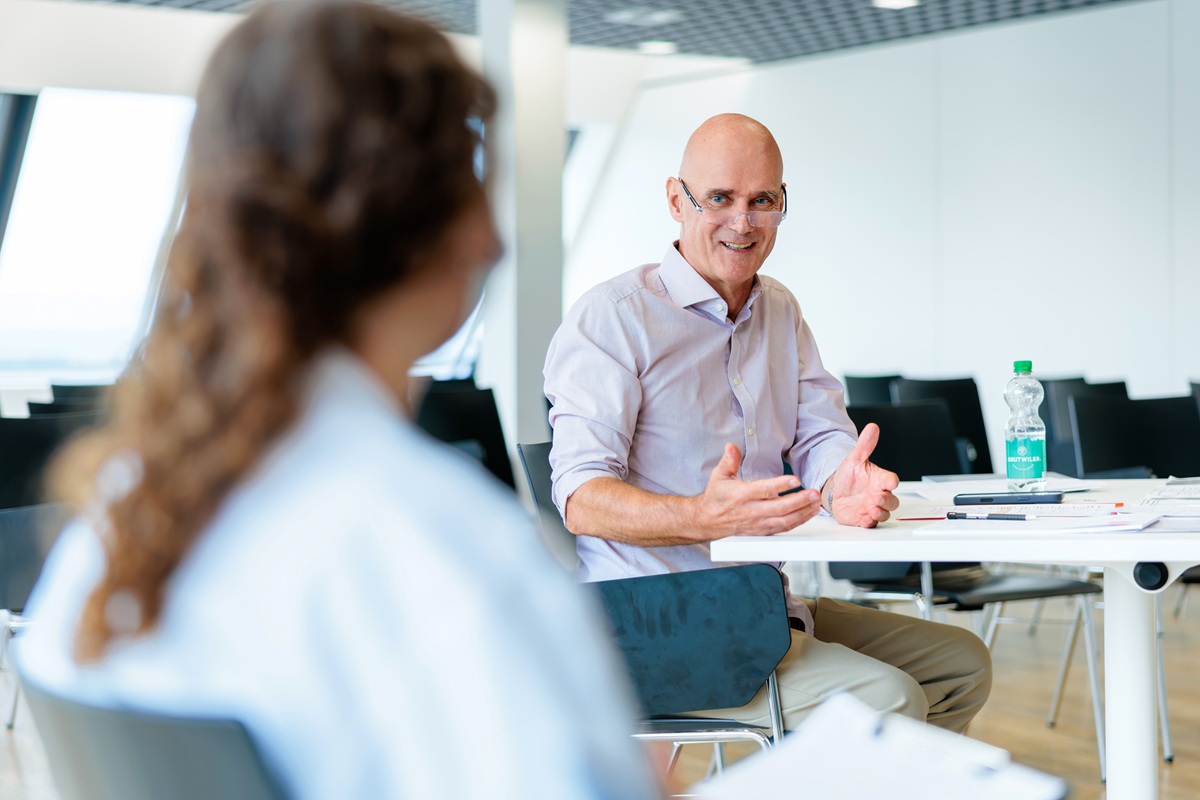
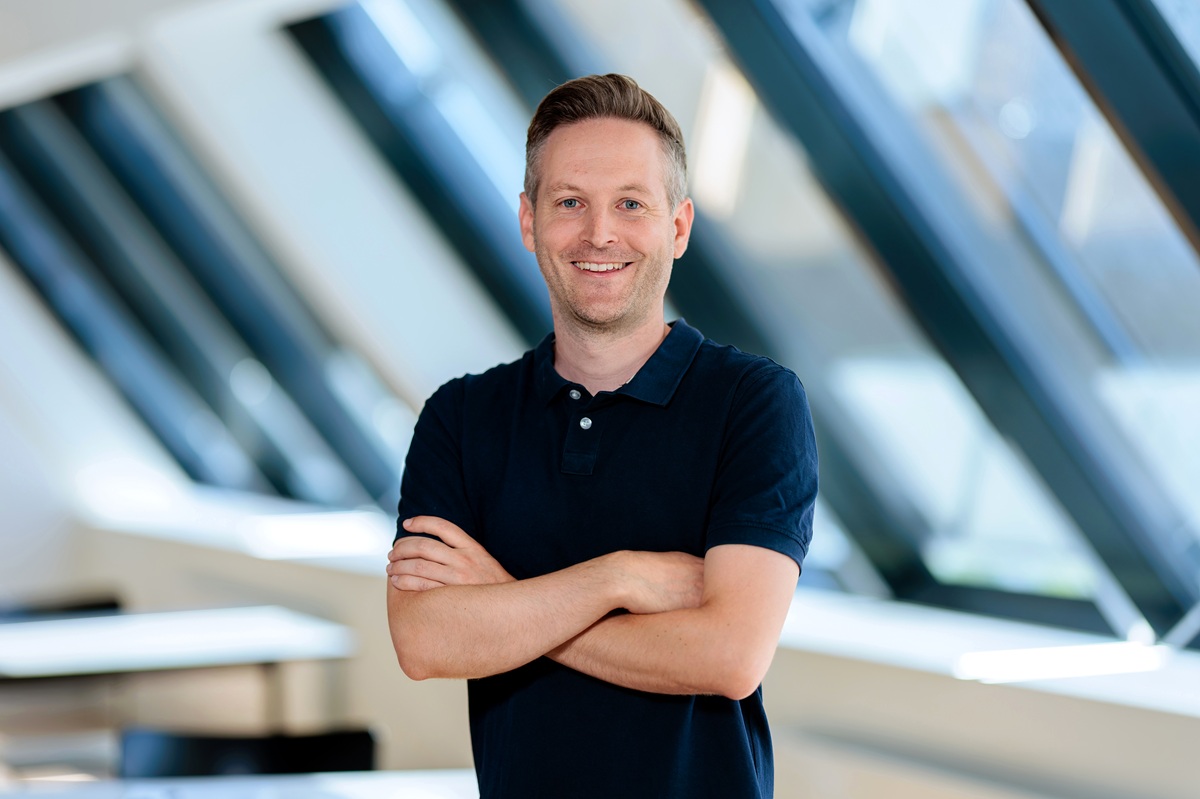
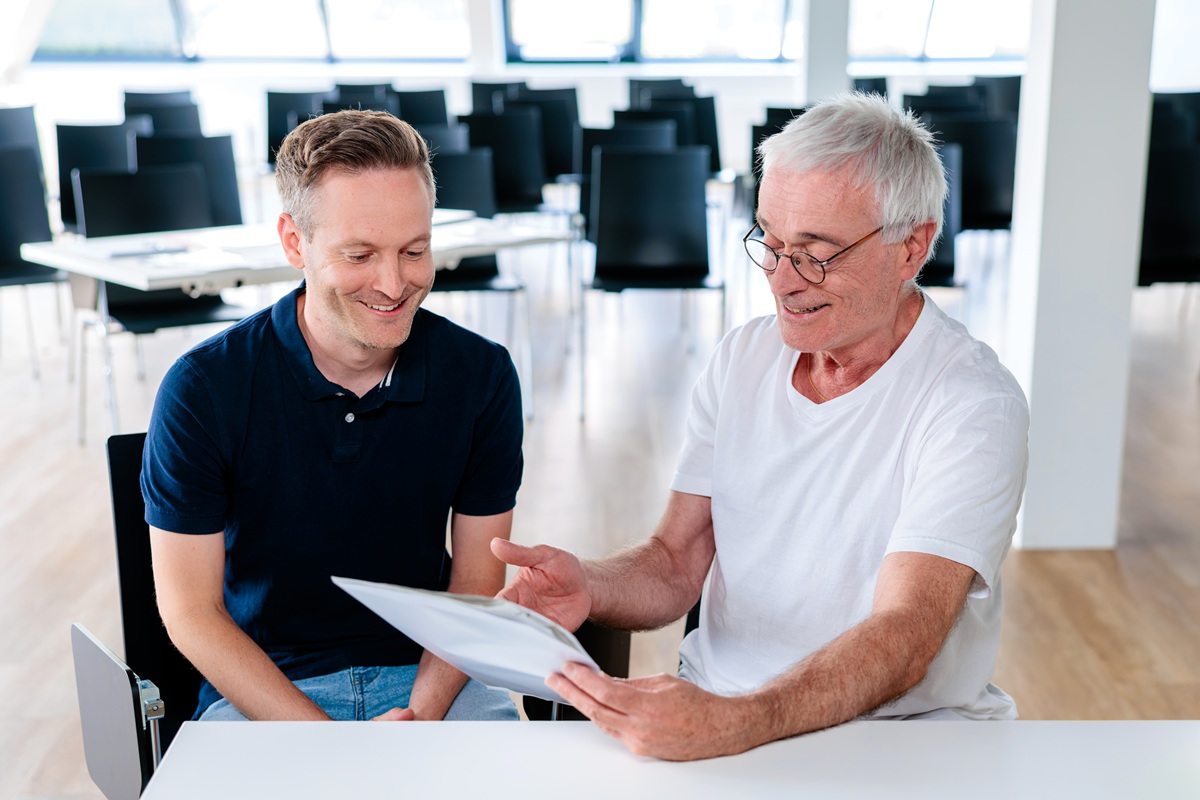
Jonas Florin is everywhere that day. As Head of Clinical and Practical Training in the Joint Medical Master's (JMM) programme, he is also responsible for the simulated patient programme. He is particularly impressed by the simulated patients' dedication and enthusiasm. “What matters is not prior medical knowledge or professional acting experience, but motivation, credibility and the ability to stick to the script,” says the qualified doctor.
State examinations held in Lucerne for the first time
The mock OSCE for JMM students has been held in Lucerne for the past four years. Next year, the Swiss Federal Examination in Human Medicine will also take place in Lucerne for the first time. This marks another important milestone for the University of Lucerne in the training of future doctors.
Interested in becoming a simulated patient yourself? Please contact medizin@unilu.ch. You must be at least 16 years old to take part.
This year's graduation ceremony took place at the end of October. At the ceremony, Noëmi Jakober and Samuel Ackermann, both mentioned in this article, received their federal diplomas in human medicine alongside 31 other graduates. News item
More information on the Joint Medical Master's degree programme


