Field Trip in Vietnam
From Tradition to Strategy: Field Consulting in Vietnam
How do you develop a marketing strategy for a traditional ceramics company in one of Vietnam’s most historic craft villages? And what can Swiss students learn from working at the intersection of heritage, sustainability and emerging market entrepreneurship?

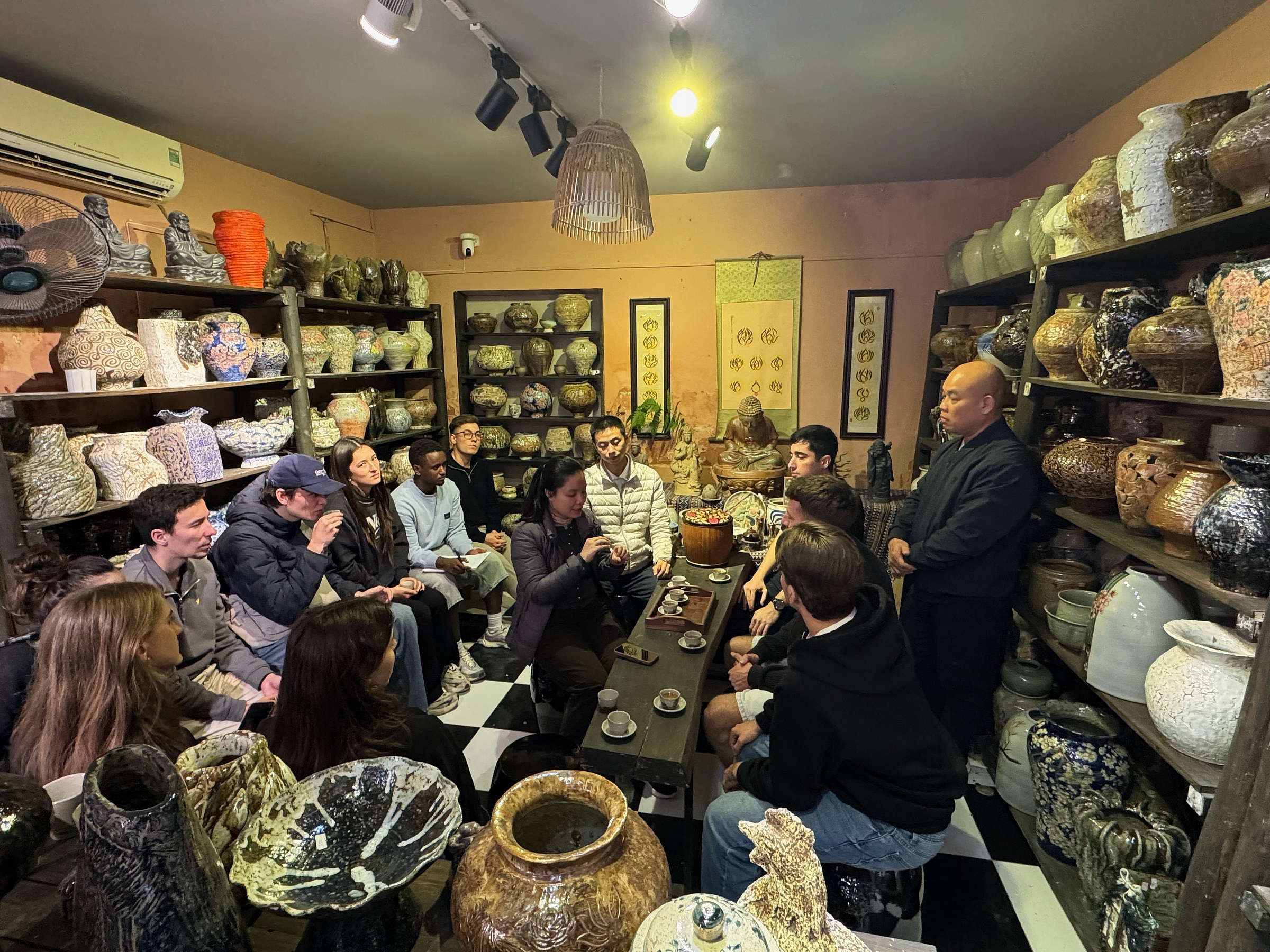

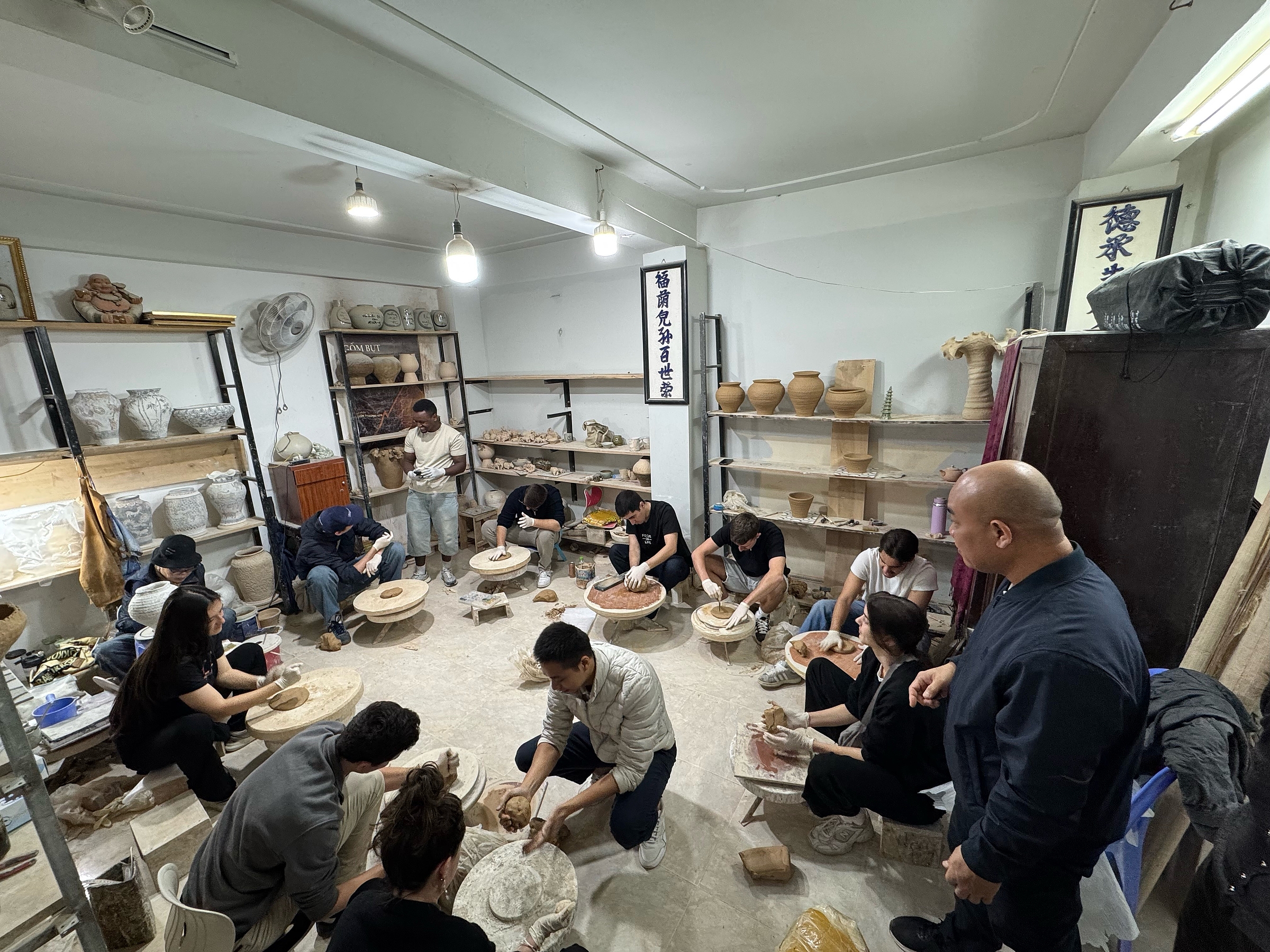
This year, 12 students travelled to Vietnam as part of the Emerging Markets Field Consulting course led by Lecturer Samuel Forrer. Over seven intensive days, they combined academic rigor with hands on consulting, cultural immersion and exposure to one of Southeast Asia’s most dynamic economies.
Consulting in Bat Trang: Strategy for a Sustainable Ceramics Pioneer
The core of the field trip was a consulting project with GOM BUT, a family owned ceramics company located in Bat Trang, the historic pottery village near Hanoi.
Ceramics production in Vietnam is deeply rooted in national heritage. For centuries, Bat Trang has been known for its craftsmanship and traditional techniques. At GOM BUT, students experienced this tradition first hand. They visited the production site, interviewed the management team and participated in a pottery workshop to understand the process behind each handmade product.
At the same time, GOM BUT represents modern, sustainability driven entrepreneurship. The company produces ceramics using recycled oyster shells, transforming waste into high quality handcrafted pieces. By combining circular production principles with traditional techniques, the company offers a compelling example of how heritage and innovation can reinforce each other.
Working in two consulting teams, students developed strategic recommendations to support the company’s growth. One group focused on a B2B sales strategy, identifying partnership models, distribution channels and positioning opportunities. The second group worked on a B2C marketing strategy, addressing brand positioning, storytelling and customer segmentation.
Throughout the week, students conducted management interviews, analyzed competitors and structured their insights into clear strategic roadmaps. The project culminated in professional management presentations delivered directly to the company’s leadership team.
Beyond the Classroom: Vietnam’s Innovation Ecosystem
While the consulting project formed the academic backbone of the course, students also explored Vietnam’s rapidly evolving innovation landscape.
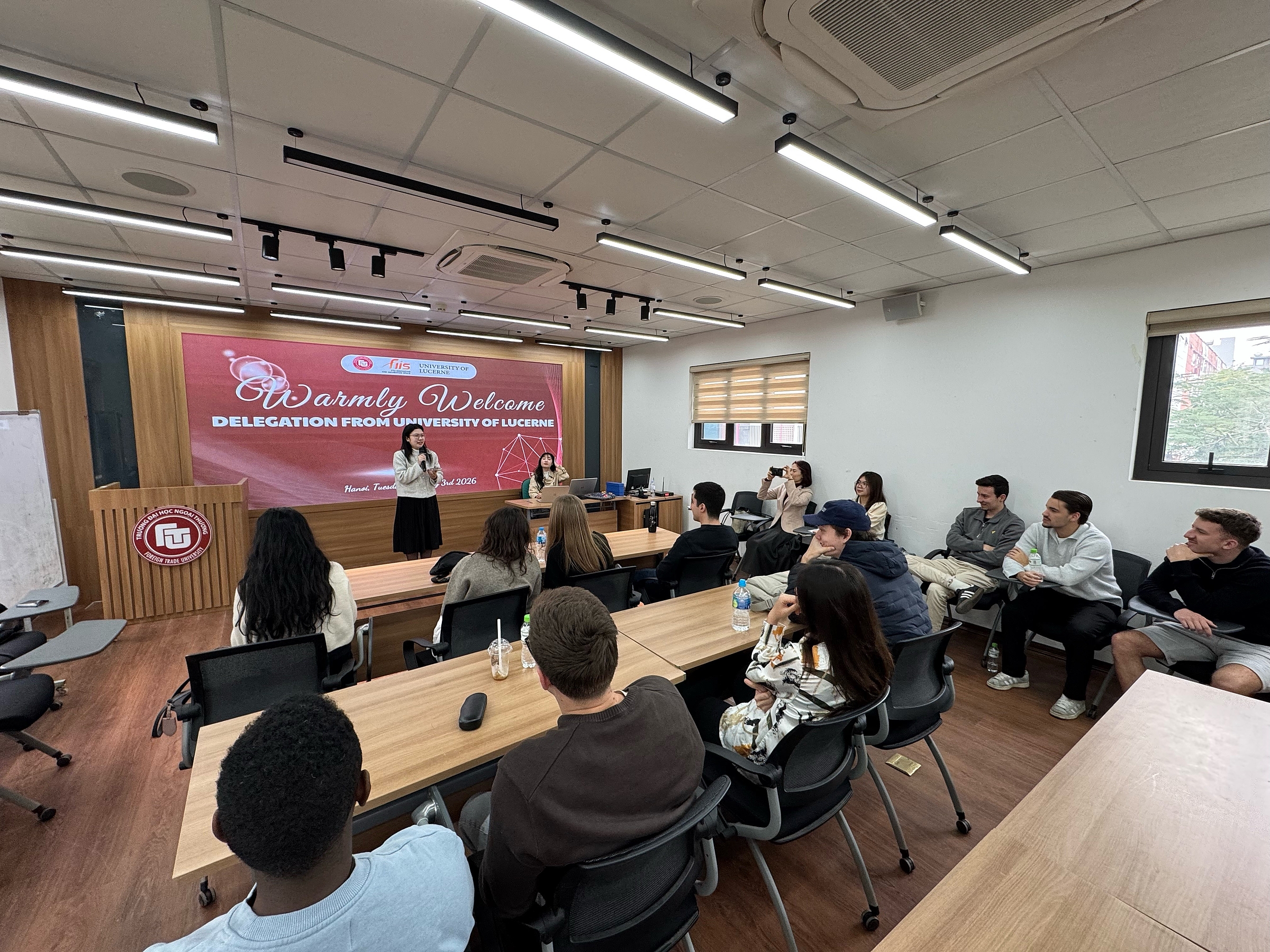
At the Foreign Trade University in Hanoi, they visited the university’s innovation lab and engaged with local startups such as Investy, a platform connecting Vietnamese talent with international job opportunities, and Leaply, which matches students with global internships. These discussions provided first hand insights into how young ventures in Vietnam approach scaling, talent development and international growth.
To better understand the broader entrepreneurial ecosystem, the group met with A Start Group, active in the Web3 and digital asset space, as well as BK Holdings, the investment and innovation arm of Hanoi University of Science and Technology. As one of the most established university linked investment platforms in Vietnam, BK Holdings supports and invests in technology driven ventures emerging from the university’s research and engineering ecosystem. These interactions highlighted how closely academia, technology and entrepreneurship are interconnected in Vietnam’s growth story.
Culture, Context and Perspective
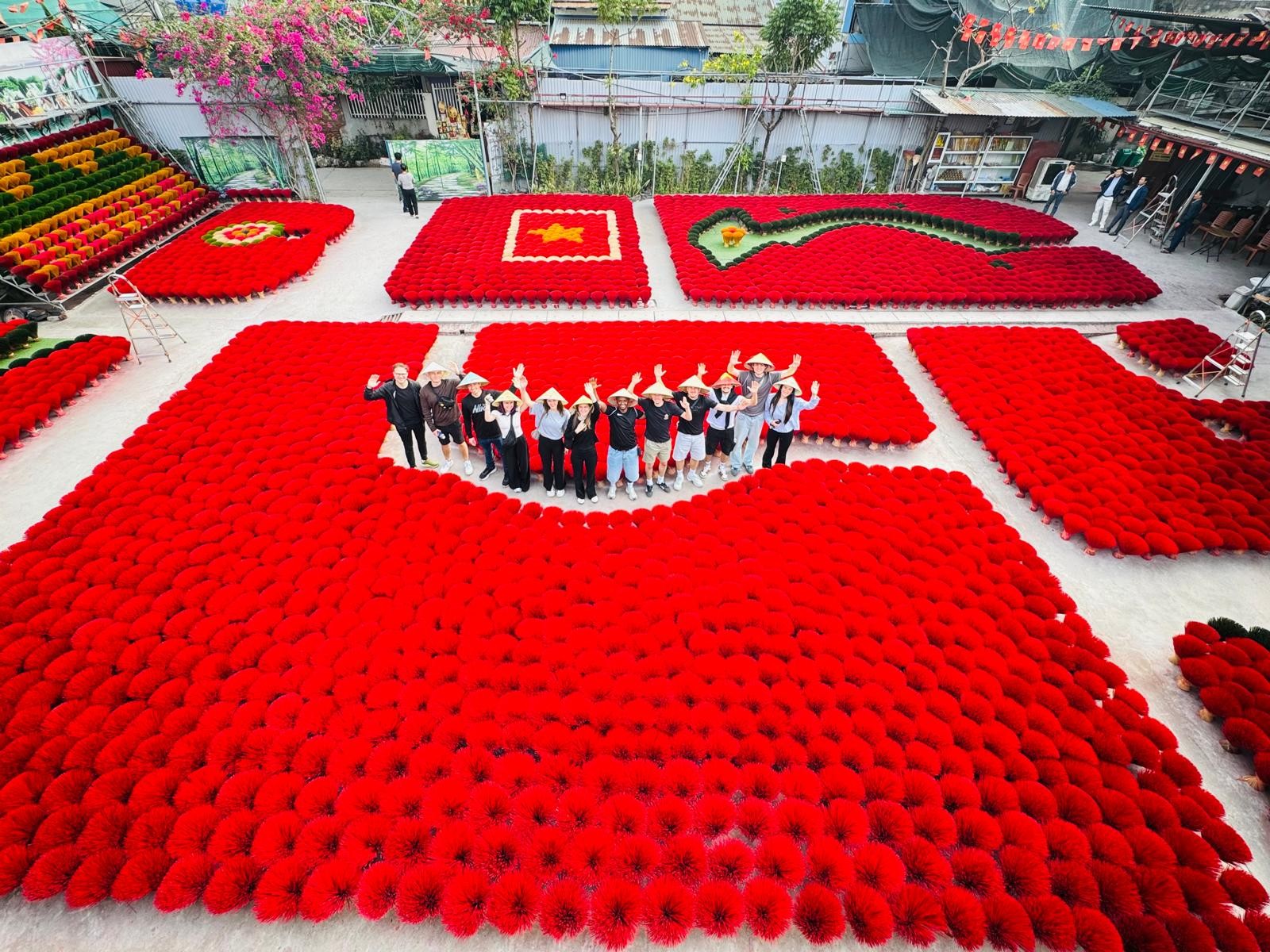
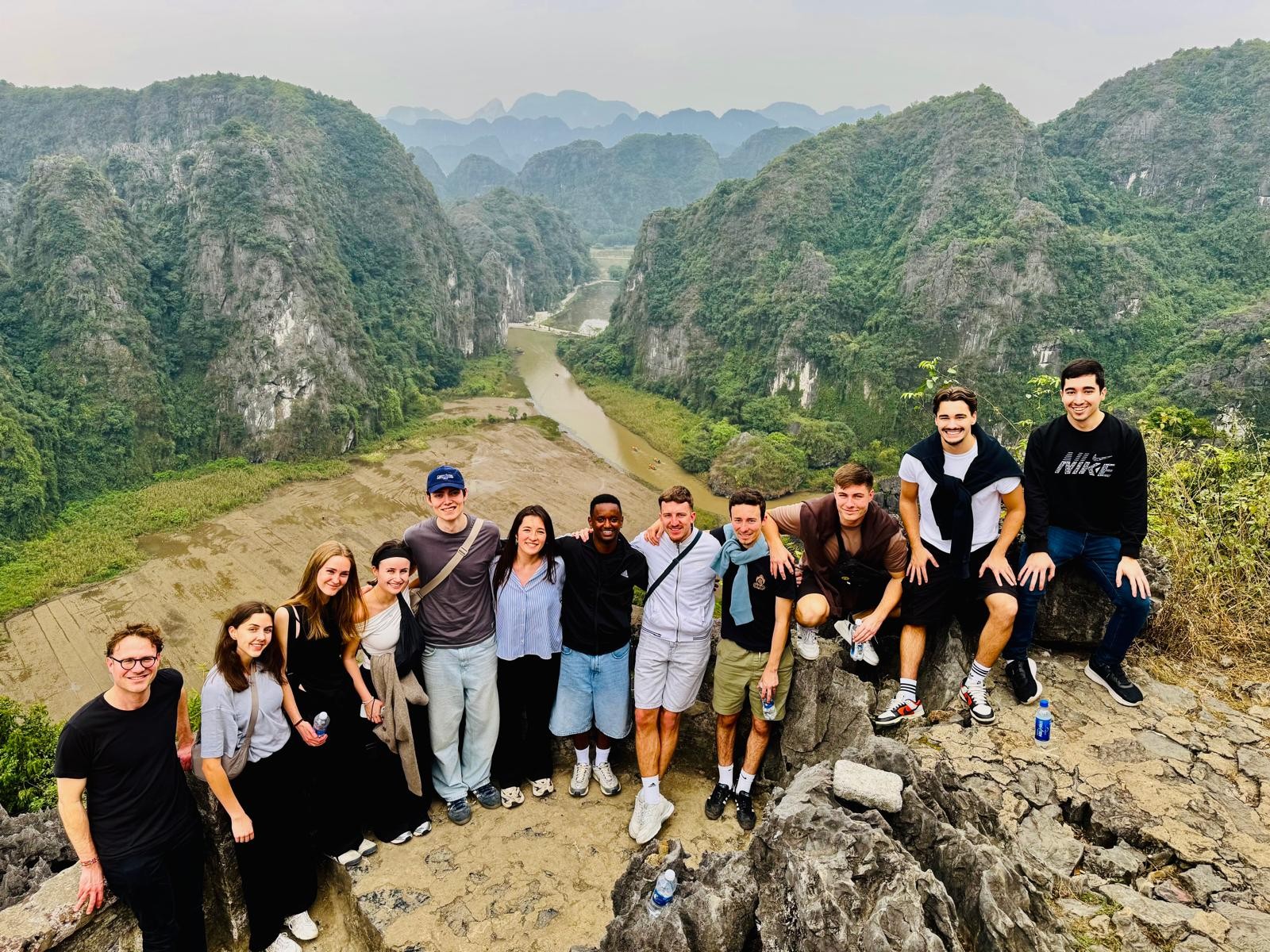
Experiential learning extends beyond business analysis. Students explored the landscape of Ninh Binh, visited a traditional incense village outside Hanoi and attended a local football match between Hanoi and Ninh Binh, where the two leaders of the Vietnamese league competed. These experiences provided valuable context for understanding consumer behavior, social dynamics and national identity.
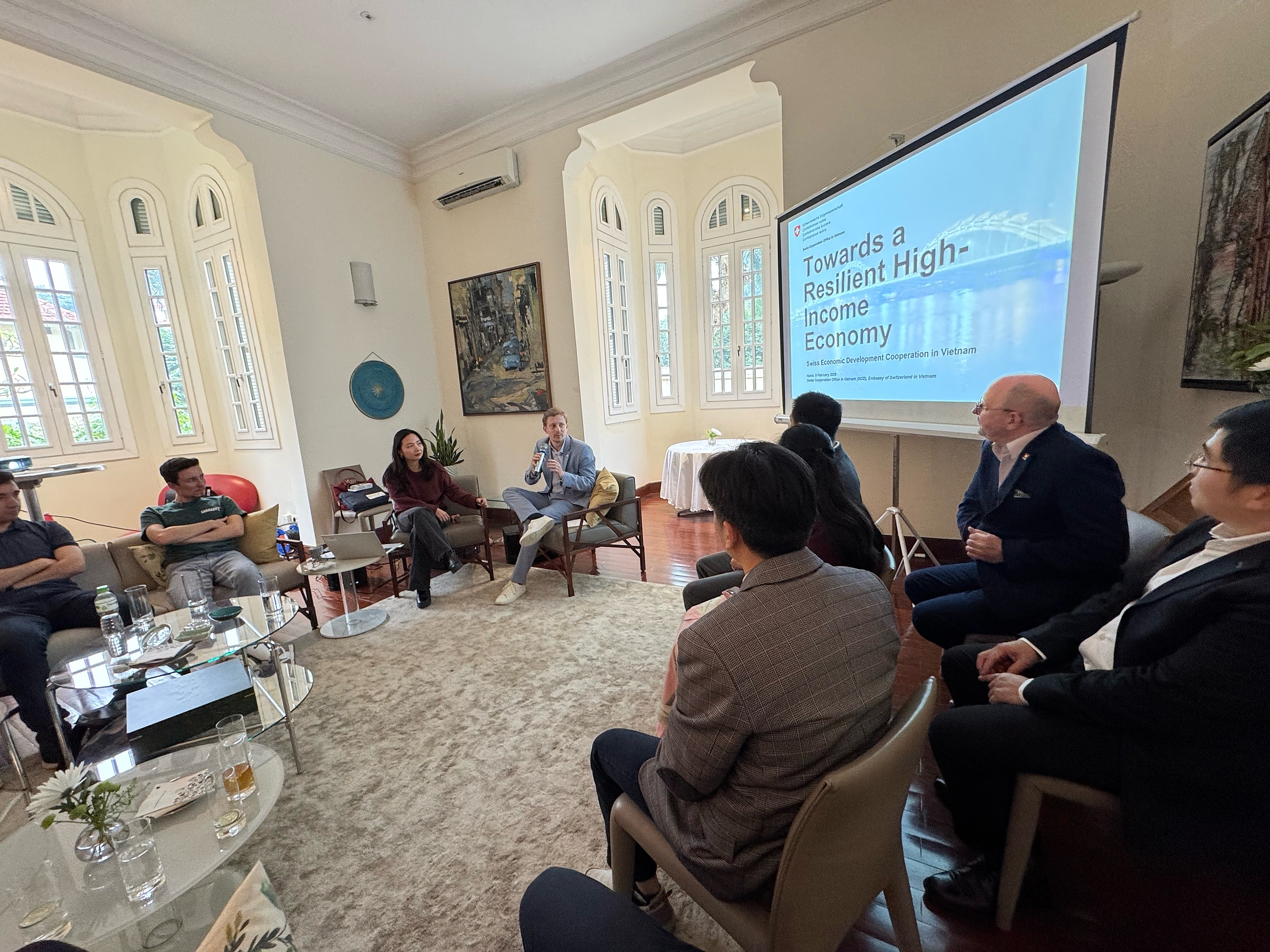
A particular highlight was the invitation to the Swiss Residency in Hanoi. Ambassador Thomas Gass and his team welcomed the group and shared insights into Switzerland’s economic and development engagement in Vietnam. Deputy Head of Development Cooperation Andri Meier provided an overview of Switzerland’s development priorities in the region. This interaction connected private sector strategy with international cooperation and public policy.
Learning Outcomes: Strategy Under Real Conditions
The Vietnam field course challenged students to operate outside their comfort zone and apply strategic thinking in a real world setting. Under the guidance of Lecturer Samuel Forrer, they strengthened their capabilities in:
- Strategic analysis under real conditions
- Structuring and solving ambiguous business problems
- Professional client communication and executive presentations
- Cross cultural collaboration and teamwork
- Translating field insights into actionable recommendations
By combining consulting work, innovation ecosystem exposure and cultural immersion, the course demonstrates how experiential learning in emerging markets can complement academic training and prepare students for leadership in an increasingly interconnected world.


